AI Interview Agent vs Traditional Interview: A Hiring Guide
Most hiring teams running an AI interview agent vs traditional interview comparison are not asking whether AI belongs in hiring — they are asking where to deploy it without compromising signal quality. If you are a talent acquisition leader trying to compress time-to-fill while protecting candidate experience for senior roles, the decision is not binary.
Hiring teams now run roughly 12–17 interviews per technical hire based on commonly cited industry averages, and average U.S. time-to-fill has stretched into the multi-week range per SHRM's most recently published talent acquisition benchmarking. The broader pattern is more interviews, slower outcomes, and no meaningful improvement in hiring quality.
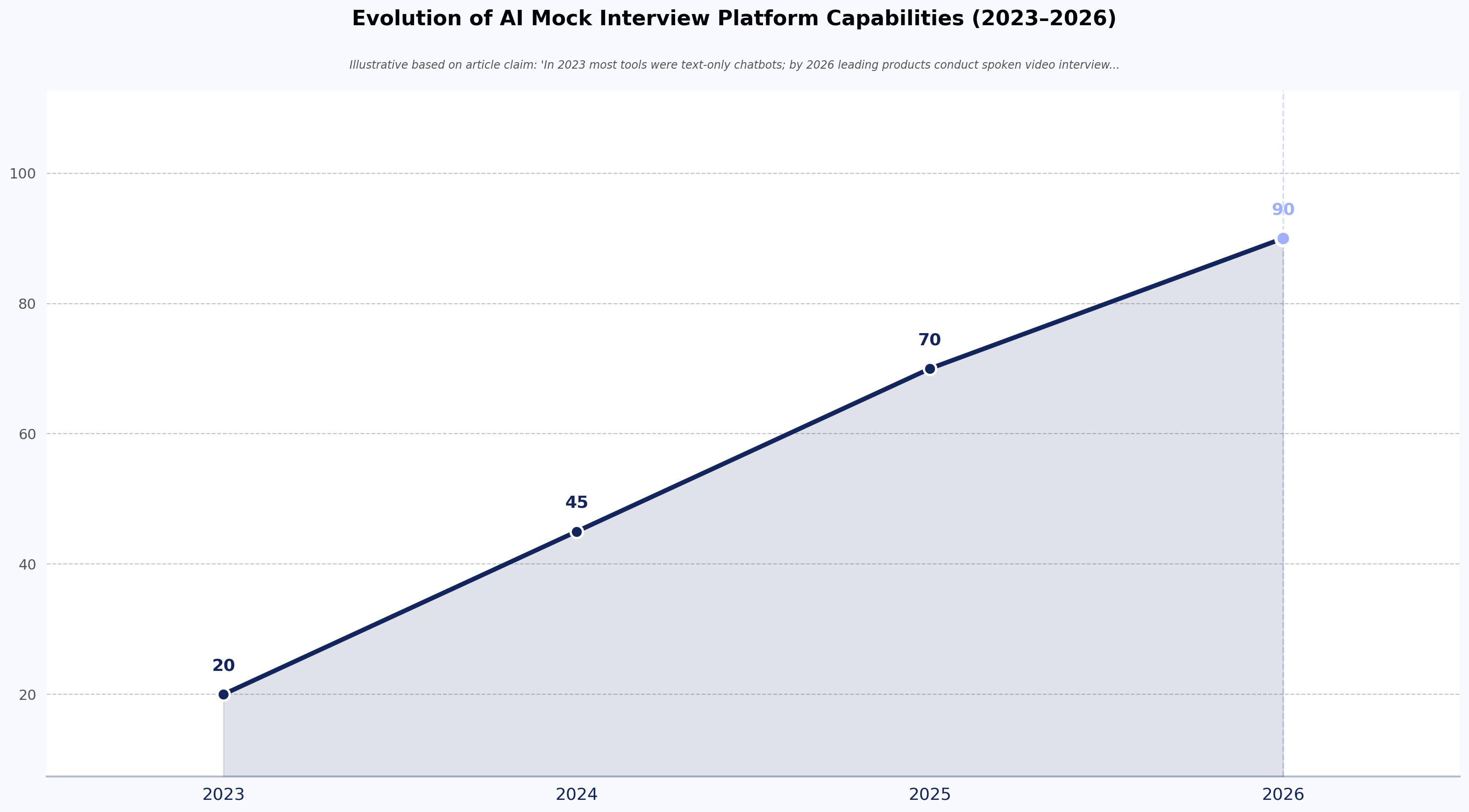
AI interview agents — software systems that conduct, evaluate, or assist with candidate interviews autonomously or semi-autonomously — promise to compress that cycle. Traditional interviews, meanwhile, offer judgment, nuance, and the human element that still matters in final hiring decisions.
This guide walks you through a structured seven-step framework for making that comparison with confidence. You will leave with a side-by-side evaluation of both approaches, specific criteria for assessing any AI interview agent platform, and a practical hybrid strategy most high-performing hiring teams are already running. This is not a guide for teams still deciding whether AI belongs in hiring. It is for teams deciding where and how to deploy it.
Step 1: Understand what an AI interview agent does versus a traditional interview
An AI interview agent is a software system that conducts, evaluates, or assists with candidate interviews autonomously or semi-autonomously. Getting that category definition right before any procurement decision matters, because comparing two platforms in this category can otherwise feel like comparing a bicycle to a car — both solve a transportation problem, neither is the right choice for every trip.
The category breaks into three distinct types:
- Fully autonomous agents that conduct and score interviews end-to-end without a human interviewer present
- AI copilots that assist human interviewers in real time with question suggestions, transcription, and scoring prompts
- Post-interview analysis tools that evaluate recordings after the fact to surface insights and flag inconsistencies
For technical hiring at scale, autonomous agents that handle the full first-round evaluation independently tend to offer the most measurable impact.
How AI interview agents work under the hood
The core capability is NLP-driven evaluation against a structured rubric. When a candidate responds to a question, the agent evaluates the answer using large language model scoring against role-specific competency benchmarks; for technical roles, capable platforms also run the candidate's actual code in a live execution environment, evaluating correctness, efficiency, and quality in real time and delivering a structured candidate profile a human hiring manager reviews asynchronously.
What traditional interviews look like today
Traditional does not mean outdated. Structured behavioral interviews, live technical panels, system design rounds, and pair programming sessions remain reliable methods for evaluating depth, collaboration, and judgment — and most teams already use some technology for these without changing the fact that the evaluation itself is human-led.
The structural limitation is not quality; it is throughput. As an illustrative calculation, a senior engineer running four screening interviews per week across roughly 45 working weeks would conduct on the order of 180 candidate evaluations per year. The exact number varies by team, but the throughput ceiling is real.
Step 2: Map the AI interview agent vs traditional interview differences side by side
| Criteria | AI Interview Agent | Traditional Interview |
|---|---|---|
| Consistency of evaluation | Same questions, rubric, and scoring model for every candidate | Varies by interviewer; significant drift over multiple rounds |
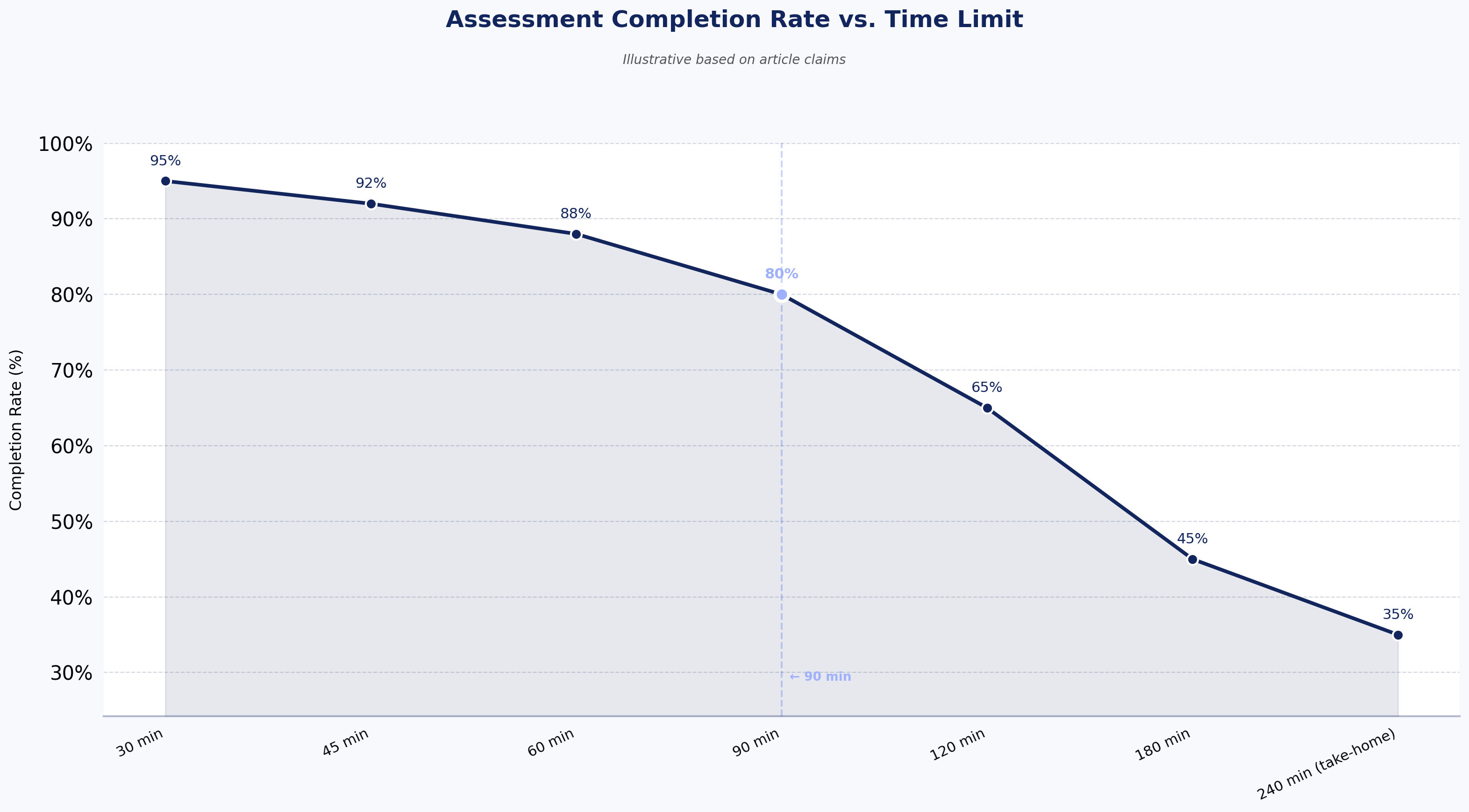
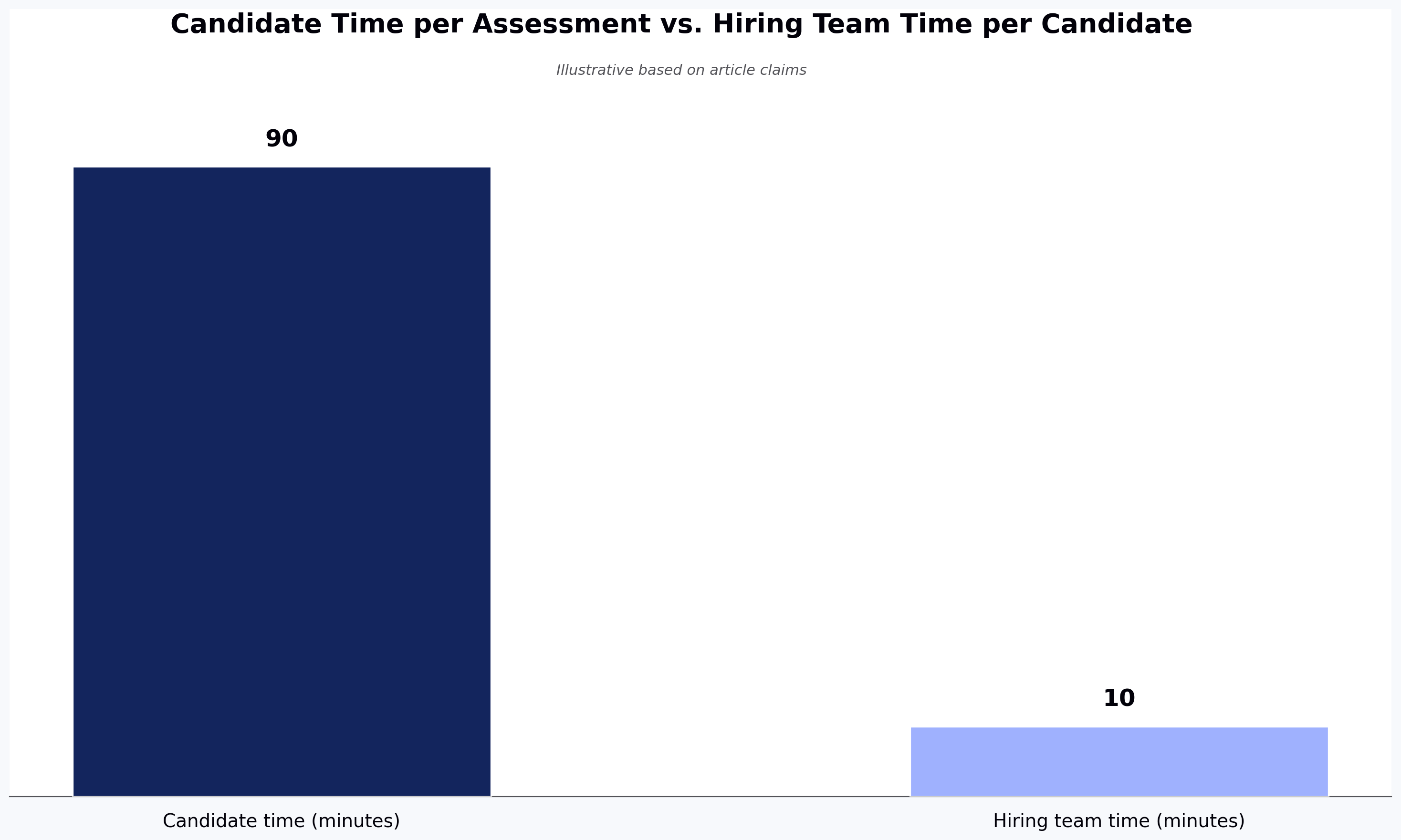
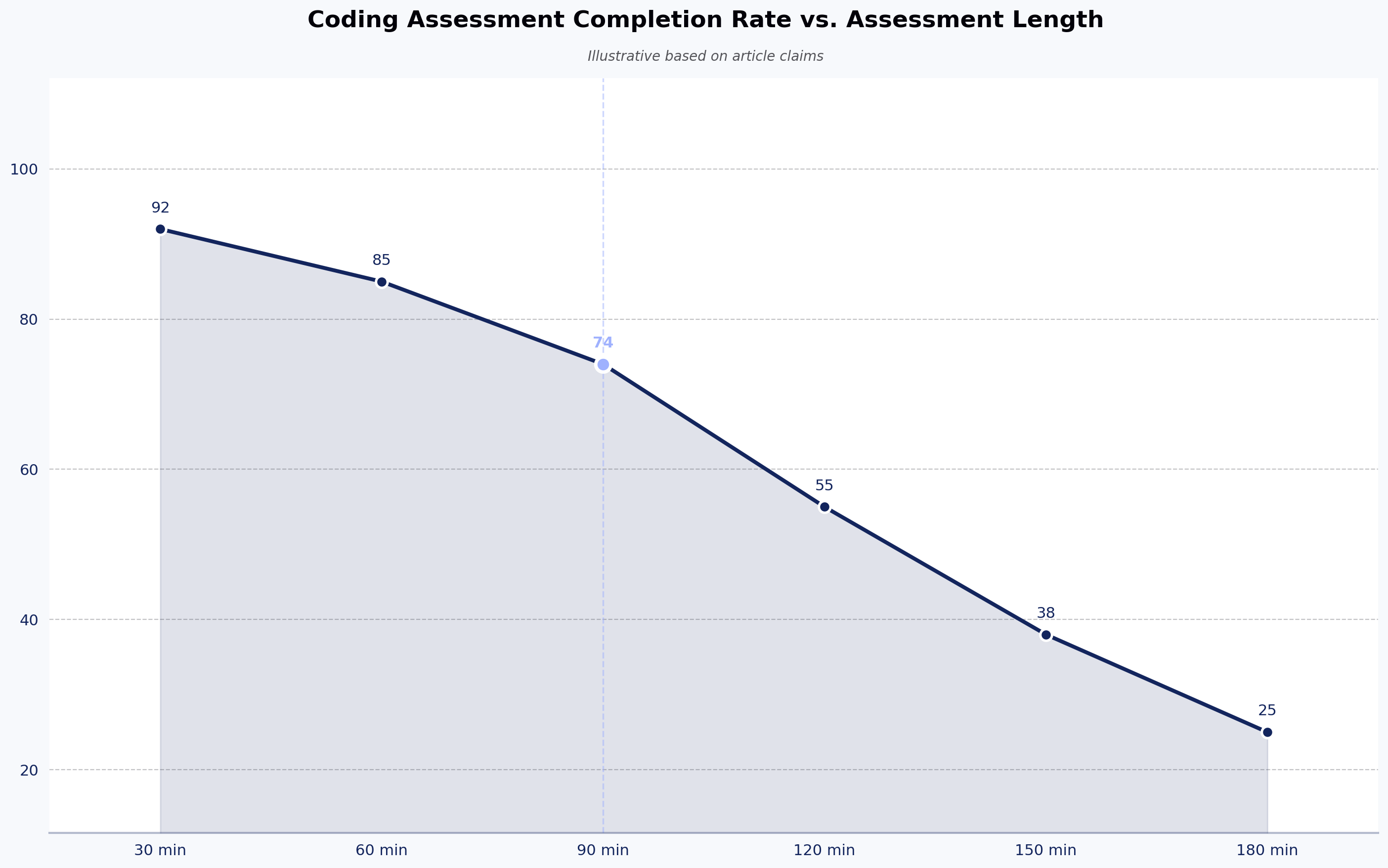
| Time-to-complete per candidate | Typically 30–45 minutes, asynchronous, no scheduling overhead (varies by platform and role) | 45–90 minutes plus scheduling, prep, and debrief time |
| Scalability across roles and geographies | Scales to high candidate volumes simultaneously; 24/7 availability | Limited by interviewer capacity and time zone availability |
| Depth of technical assessment | Strong for structured coding, debugging, and domain-specific Q&A | Strong for open-ended system design, whiteboarding, and exploratory deep dives |
| Ability to evaluate soft skills | Limited; can assess communication clarity but not relationship dynamics | Strong; experienced interviewers read collaboration signals, ambiguity tolerance, and judgment |
| Candidate experience | Flexible scheduling; some candidates prefer the lower-pressure format, others find it impersonal | More personal; builds rapport preferred by senior candidates |
| Interviewer bias risk | Consistent rubric application reduces affinity bias and halo effect | Significant variance; HR practitioners widely acknowledge that bias can influence unstructured evaluations |
| Cost per interview | Generally lower at scale; eliminates much of the scheduling and interviewer time cost | Higher per-interview cost; scales poorly at high volume |
| Customization to role | Configurable question sets and rubrics by role type | Fully flexible but depends on interviewer expertise |
| Legal and compliance considerations | Requires bias audits (NYC LL 144, EU AI Act, Illinois AIPA); explainability documentation needed | Subject to anti-discrimination law; unstructured interviews carry higher litigation risk |
AI interview agents win on consistency, scale, and cost. Traditional interviews win on interpersonal depth, senior-role rapport, and open-ended exploratory evaluation. The teams getting the best outcomes are not choosing one over the other; they are sequencing them deliberately.

Step 3: Where the AI interview agent outperforms the traditional interview at scale
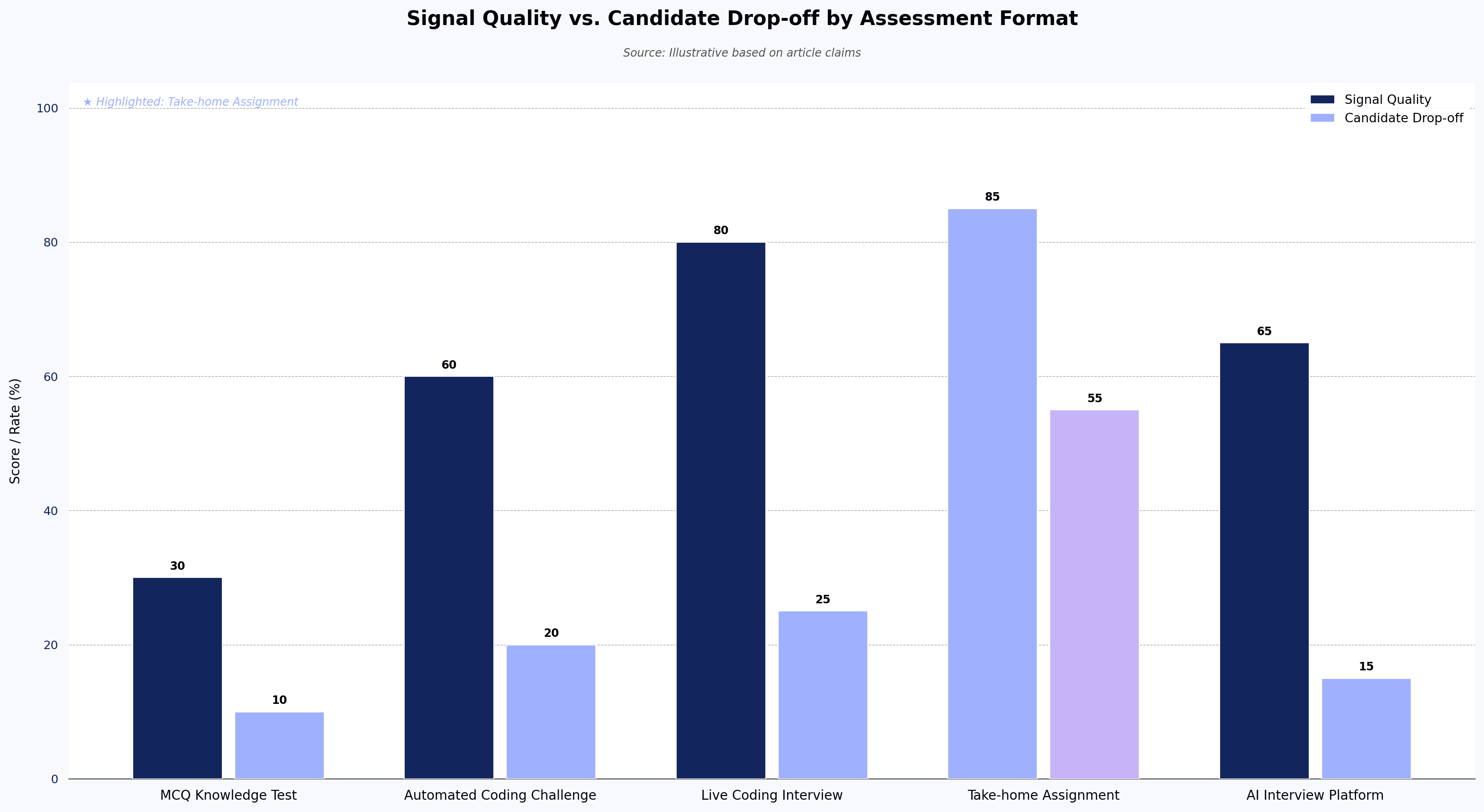
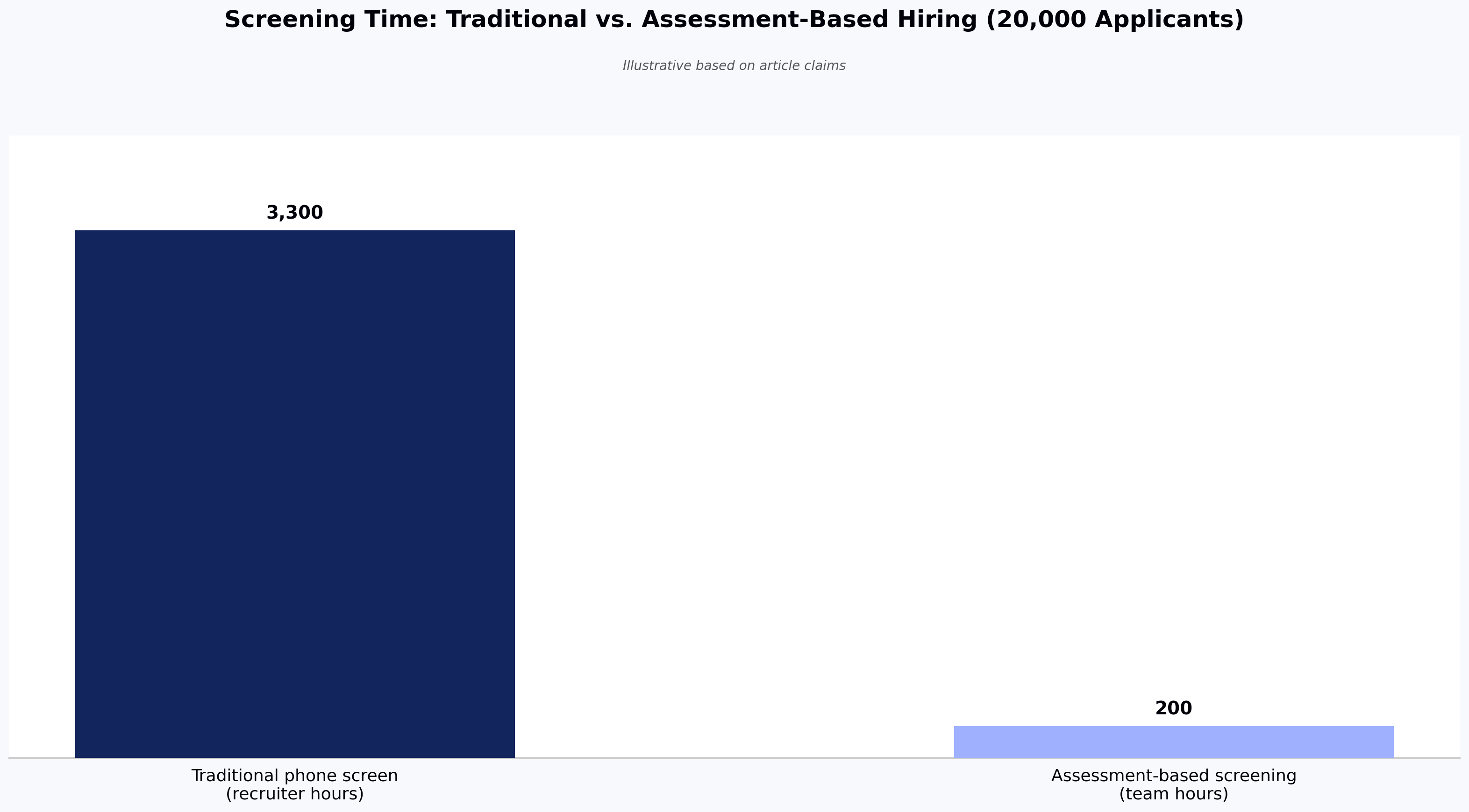
AI interview agents reduce time-to-hire most measurably at the first-round technical screening stage for high-volume technical roles. For first-round filtering across large applicant pools, the gap is measurable.
Speed and scale without sacrificing signal
AI tools can reduce time-to-hire by removing the scheduling overhead, preparation time, and sequential bottlenecks that slow every manual screening pipeline. HackerEarth customer Discover Dollar, for example, has reported compressing screening cycles from "three to four weeks" to days using structured automated assessments. An automated interview software platform does not have a calendar: a candidate who applies at 11 p.m. can complete a full structured technical evaluation before the recruiting team arrives the next morning.

Consistency that reduces interviewer variability
Every AI technical interview agent applies the same questions, rubric, and scoring model to every candidate. The Schmidt and Hunter meta-analysis on selection methods (1998) found that unstructured interviews show meaningfully lower predictive validity than structured ones, in part because of scoring variance between interviewers evaluating the same candidate. Structured rubrics and calibration meetings reduce that variance but rarely eliminate it. AI evaluation models do not change between the third candidate on a Monday morning and the seventh on a Friday afternoon, which is one reason teams using HackerEarth's structured technical assessments can apply the same rubric and scoring logic to every candidate by design — the operational mechanism behind more consistent inter-rater reliability.
Data-rich evaluation for better decisions
Traditional interview feedback is typically a paragraph of subjective notes that a hiring manager must interpret and compare across candidates. AI candidate screening tools produce structured outputs — rubric-dimension scores, code execution results, response quality ratings, and timestamped behavioral indicators — that feed directly into hiring dashboards and cut the time from interview to decision.
Step 4: Where the traditional interview still beats the AI interview agent
Honest evaluation of this AI hiring tools comparison requires acknowledging where traditional interviews continue to outperform AI agents. Sophisticated buyers are skeptical of content that overclaims for one approach, and they are right to be.
Assessing culture fit and interpersonal dynamics
AI cannot yet reliably assess how a candidate will navigate team conflict, communicate under ambiguity in a live standup, or build trust across a distributed engineering team. Interview automation for recruiters can flag response quality and communication clarity at scale, but it cannot replace the judgment of a senior engineer who has managed teams through a high-pressure release cycle.
Senior and leadership roles
For VP-level or principal engineer hires, the interview is also a pitch. Candidates at this level are evaluating the company as much as you are evaluating them, and a well-run conversation with an engineering leader builds the trust that converts a strong candidate into a signed offer. No current virtual interview agent replicates that dynamic. AI agents are the wrong tool for this stage; knowing that is precisely what makes them the right tool for the stages that precede it.
Candidate perception and employer brand
Some industry surveys suggest that a meaningful share of candidates have now encountered an AI interview, and anecdotal reports indicate some candidates have dropped out of hiring processes because of how AI was handled. Anecdotal evidence also suggests candidate trust in employer use of AI remains comparatively low. A hybrid interview process with transparent disclosure at every stage tends to produce better candidate satisfaction than an AI-only pipeline.
Step 5: Assess your team's readiness to adopt an AI interview agent
AI interview agents perform best when layered on top of well-structured processes. Deployed to patch a broken process, they amplify the existing problems rather than fixing them.
Run through this readiness checklist before evaluating any platform:
- Do you have clearly defined competency frameworks for each role you are hiring for?
- Are your current interview rubrics documented and used consistently across the team?
- Is your hiring volume high enough to justify the investment? (Teams with lower hiring volume may see limited ROI from a dedicated AI agent platform.)
- Does your ATS integrate with external tools via API, or will data need to be moved manually?
- Have you consulted legal counsel on AI hiring compliance in your operating jurisdictions, covering NYC Local Law 144 bias audit requirements, EU AI Act obligations, and Illinois Artificial Intelligence Video Interview Act consent and disclosure requirements? Because implementation dates and enforcement guidance continue to shift, confirm current status with qualified legal counsel for each jurisdiction you hire in.
- Is your recruiting and engineering team prepared for the change management required to trust AI-generated candidate data?
If you answered no to the first three, the immediate priority is process, not technology. For teams building this foundation, our guide to bias auditing and structured technical assessment design covers the underlying rubric and role-mapping work in more depth.
Step 6: Compare AI interview agent vs traditional interview platforms using the right criteria
Most AI interview agent demos look impressive; the gap between "impressive demo" and "works for your actual hiring needs" is where most procurement mistakes happen. The criteria below are grounded in the problems hiring teams actually report, not vendor feature lists.
Technical depth and language support
If your engineers write Go and the platform only supports Python and JavaScript, every evaluation it produces is measuring the wrong thing. Ask whether the platform can execute and evaluate real code or whether it only evaluates behavioral Q&A. Ask specifically: how many languages does it support natively, can it assess system design thinking beyond algorithmic coding, and does its question library cover the actual domains your team works in?
Anti-cheating and proctoring
AI interview accuracy depends heavily on candidates actually producing their own work. Any AI-powered interview platform you evaluate should include plagiarism detection, tab-switch monitoring, and behavioral anomaly flagging as baseline requirements. "AI-powered" in this context should mean specific, disclosed things: the vendor should be able to tell you what data their evaluation models are trained on (typically role-specific response and code submission data), how those models score candidate responses against a structured rubric, and what the documented limits of the system are — especially around soft-skill assessment, where current models perform poorly compared to human interviewers.
Candidate experience design
Candidates who know AI is involved and understand why are significantly more comfortable with the process than candidates who encounter it without disclosure. Evaluate whether the interface is conversational enough for candidates who have never used an AI interview before, and confirm that candidates can ask for clarification when a question is ambiguous.
Integration and reporting
An AI interview assistant for recruiters that does not connect with your ATS creates new manual work instead of eliminating existing manual work. Ask vendors for their current list of supported ATS integrations, evaluate whether data flows bi-directionally, and review the hiring analytics surfaced to recruiters: score distributions, completion rates, and time-to-decision at the role level.
Compliance and bias auditing
Evaluating AI interview bias risk is not optional for enterprise buyers; it is the question that eliminates the largest share of vendors before a demo is even scheduled. Ask every vendor for their third-party bias audit methodology and demographic breakdown, and require explainable AI scoring documentation that a legal team can actually review.
Step 7: Build a hybrid AI interview agent and traditional interview strategy
The most effective technical hiring teams are sequencing AI and traditional interviews deliberately to get the best signal from each approach at the right stage.
Stage 1 (AI-led): An autonomous AI interview agent handles first-round technical screening at scale. Every qualifying candidate completes the same structured technical evaluation regardless of when they apply or where they are located. The AI filters on core competencies and produces ranked, scored candidate profiles.
Stage 2 (Human-led): Top candidates advance to live interviews focused on culture fit, collaborative problem-solving, and role-specific deep dives. Human interviewers review AI-generated transcripts and scores before these conversations, entering each one with a specific line of inquiry rather than re-covering ground the AI already assessed.
Stage 3 (AI-assisted): The AI provides structured post-interview analytics to the hiring committee. Score comparisons, behavioral evidence from transcripts, and rubric-dimension breakdowns reduce the influence of recency bias and groupthink in final hiring decisions.
Tip: Start by piloting AI agents on one high-volume role before rolling out company-wide. As an illustrative example, an enterprise engineering team hiring 40+ backend developers per quarter could pilot an AI agent on a single backend SDE-2 role, then measure time-to-hire, candidate NPS, and interview-to-offer conversion rate against the previous quarter's baseline for the same role before scaling the investment.
Conclusion: Make the AI interview agent vs traditional interview decision that matches your hiring reality
AI interview agents are not a replacement for human judgment. They are a throughput tool for hiring teams running too many interviews with too little structure — teams producing inconsistent data and losing strong candidates to the scheduling delays that accumulate when every evaluation requires a human calendar slot.
The strongest outcomes come from running AI at the stages where structure and scale matter most — first-round technical screening with consistent rubrics and transparent candidate communication — and reserving human judgment for final-round conversations where it matters most. The AI interview ROI case is compelling. The risk of over-relying on it for senior roles and culture assessment is equally real. Build a hybrid interview process that uses both well.
HackerEarth's OnScreen is built for this hybrid model: structured technical interviews with role-calibrated conversations that adapt to candidate responses, code execution support across more than 80 programming languages, built-in identity verification, and structured report generation designed to feed directly into a human-led second round.
See it in action
Enterprise teams can request pilot access to OnScreen at hackerearth.com/ai/onscreen to evaluate it on a single high-volume role before broader rollout.
Frequently asked questions
What is an AI interview agent?
An AI interview agent is software that autonomously or semi-autonomously conducts candidate interviews and produces scored assessments. The under-discussed detail most procurement conversations miss: output quality depends more on the rubric and competency framework configured before the first interview runs than on the underlying model. Teams that treat the AI agent as a drop-in replacement for an undocumented interview process usually see worse results than they did before adoption, because inconsistencies that were previously absorbed by interviewer judgment become hard-coded into scoring. The category itself is the easy part; the rubric work is where outcomes are won or lost.
Can AI interview agents fully replace human interviewers?
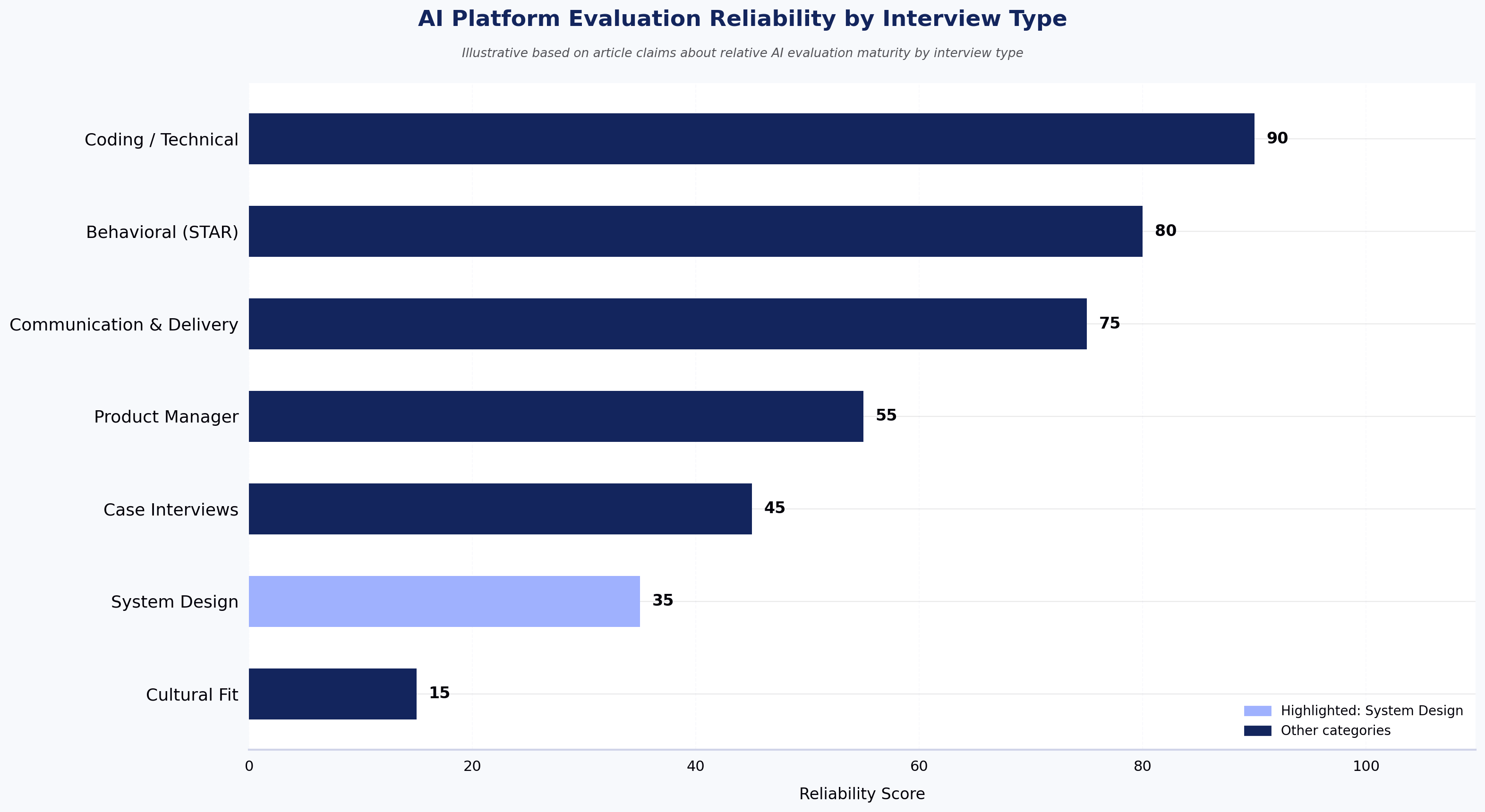
No. The more practical question is which round types AI handles well and which it does not. AI agents perform reliably on structured first-round technical screens — coding exercises, debugging tasks, domain-specific Q&A with defined right answers — because these have measurable rubric dimensions. They perform poorly on system design discussions that branch unpredictably, behavioral panels evaluating leadership and team dynamics, and final-round conversations where the interview is partly a recruiting pitch. A typical operational split places AI at round one for technical roles and human interviewers at every subsequent round.
Are AI interview agents biased?
AI agents can reduce certain human biases by applying consistent rubrics, but they can also inherit bias from training data. Look for vendors that conduct independent third-party bias audits and provide explainable scoring documentation a legal team can review.
The counterintuitive point: bias in AI hiring tools is often more measurable than bias in human interviews, because rubric-based scoring produces an audit trail that unstructured human interviews do not. That makes AI bias correctable in ways human bias frequently is not — but only for vendors that treat auditing as an ongoing commitment.
How much does an AI interview agent cost compared to traditional interviews?
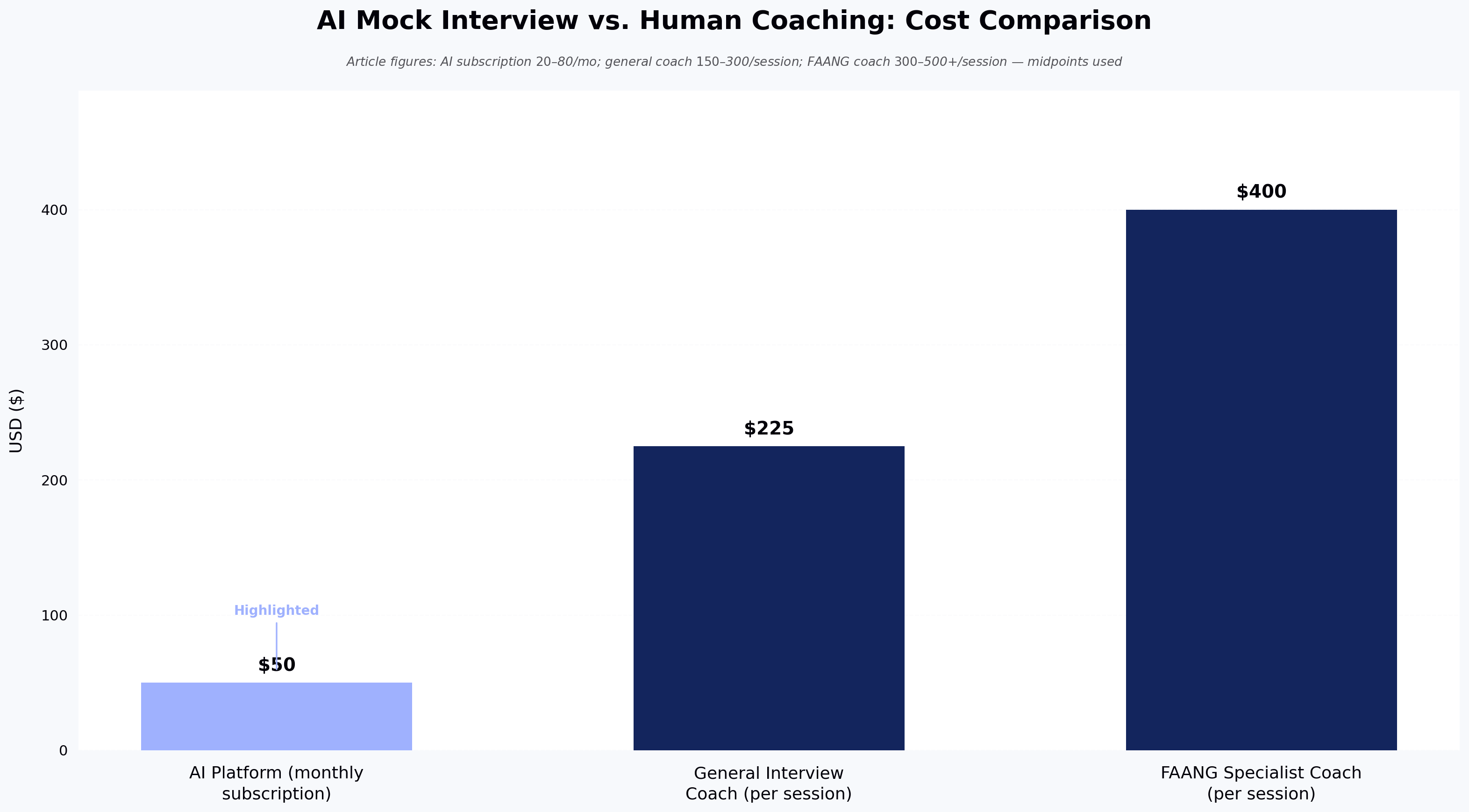
AI agents generally reduce cost-per-interview at scale by eliminating interviewer time, scheduling overhead, and geographic constraints. ROI increases with hiring volume.
The harder number to calculate — and the one most teams ignore until after a bad hire — is the cost of inconsistency in your current process: offer rejections and mis-hires that a more standardized evaluation would have caught earlier. Most teams that benchmark this find the inconsistency cost dwarfs the per-interview cost difference.
How do candidates feel about AI-led interviews?
Candidate sentiment is genuinely mixed. Anecdotal industry observations suggest a meaningful share of candidates have experienced an AI interview, some have walked away from a process because of how it was handled, and many appreciate the scheduling flexibility and lower-pressure format.
The detail worth surfacing: the candidates most likely to reject an AI interview are also the candidates most likely to have multiple competing offers. That is the practical reason to invest in experience design and transparent disclosure, not just evaluation quality.
What compliance risks should hiring teams consider?
Key regulations to review with legal counsel include NYC Local Law 144, the EU AI Act, and the Illinois Artificial Intelligence Video Interview Act. As commonly summarized in industry reporting, NYC Local Law 144 has been associated with annual independent bias audit and candidate notification obligations; employment AI use cases may be classified as high-risk under the EU AI Act depending on the specific deployment; and the Illinois AIVIA addresses candidate consent and AI disclosure for video interviews. These summaries are general in nature, not legal advice, and interpretations continue to evolve. Always involve qualified legal counsel before deploying AI in hiring workflows.
The compliance posture that matters most is not which regulations a vendor lists on a slide — it is whether they can produce current audit documentation and explainability reports on demand, because regulators and candidate plaintiffs both ask for those artifacts on short notice.