Primary persona: Engineering Manager / Technical Hiring Lead Estimated read time: 6 minutes
AI Interviews in 2026: What Candidates and Hiring Teams See
[Featured image placeholder — flag for visual asset assignment before publication]
AI interviews in 2026 are structured, avatar-led technical conversations that evaluate candidates against a fixed rubric, typically conducted asynchronously without a live interviewer present. If you run engineering hiring, these sessions have likely already changed how your funnel operates. Most of the debate about them has focused on whether they work. The more useful question, now that they're deployed at scale, is what actually happens on both sides of the screen.
The category itself has matured quickly, and platforms in this space are now moving from pilot to production across enterprise deployments. The candidate experience has changed more than most hiring teams realize, and the operational gains are real but narrower than the vendor decks suggest. This piece is the practitioner's read on what the current generation looks like from both seats.
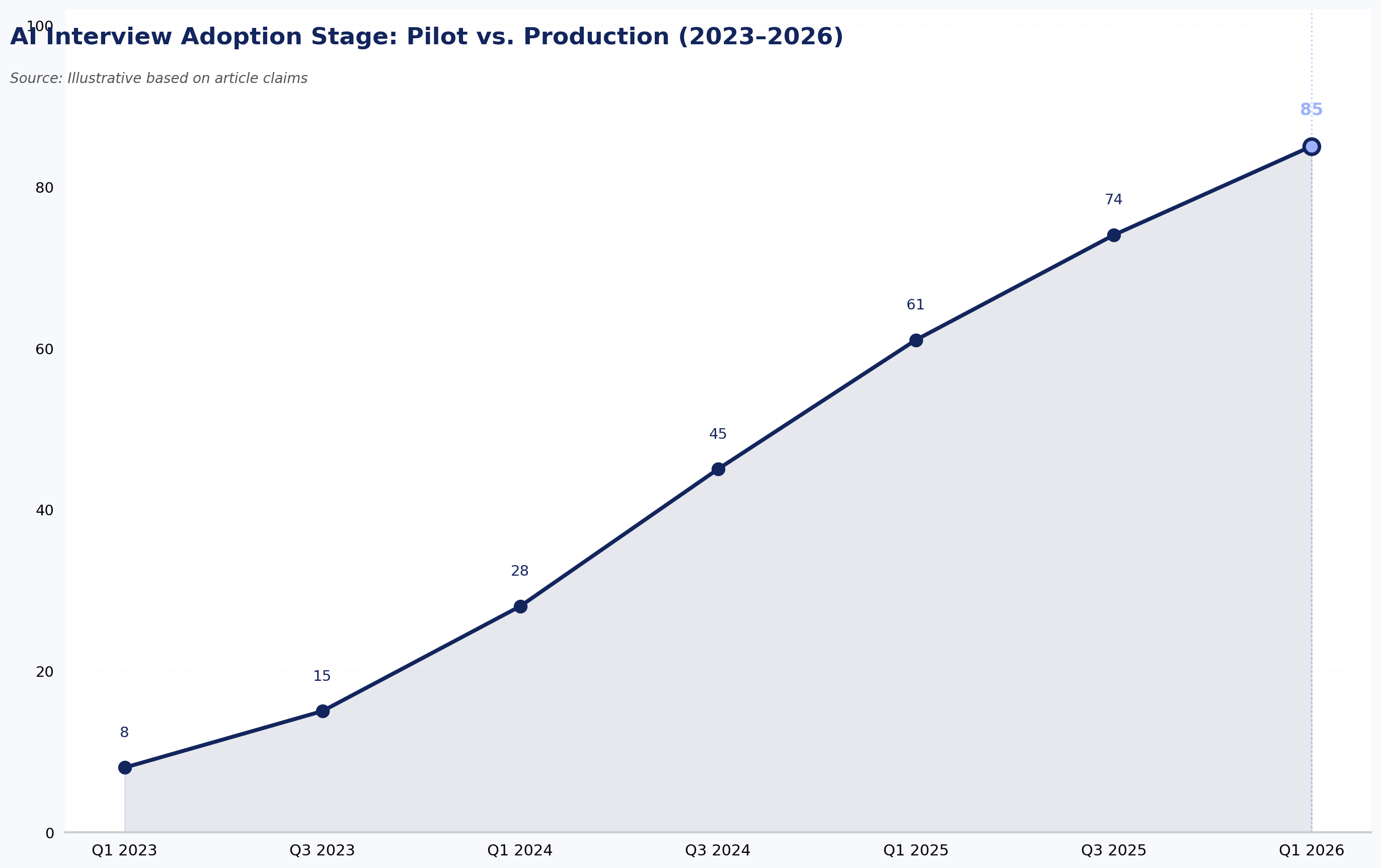
What an AI Interview in 2026 Actually Looks Like
The current generation is not a chatbot with a scorecard. A candidate joins a video session with a lifelike avatar, verifies identity through a KYC-style check, and moves through a role-calibrated conversation that adapts based on their responses. Structured technical questions and follow-ups run inside the same session, with the AI probing shallow answers and applying the same rubric to every candidate.
Session length and format
Session lengths vary by customer configuration; teams commonly configure mid-level engineering rounds in the 45–75 minute range, with longer loops for senior roles. These are estimates based on how customers set up sessions rather than platform defaults.
Proctoring without the friction
Enterprise-grade proctoring monitors for irregularities without adding the intrusive lockdown steps — forced browser lockdowns, repeated identity re-checks mid-session — that plagued earlier remote-hiring tools.
Why the format feels different
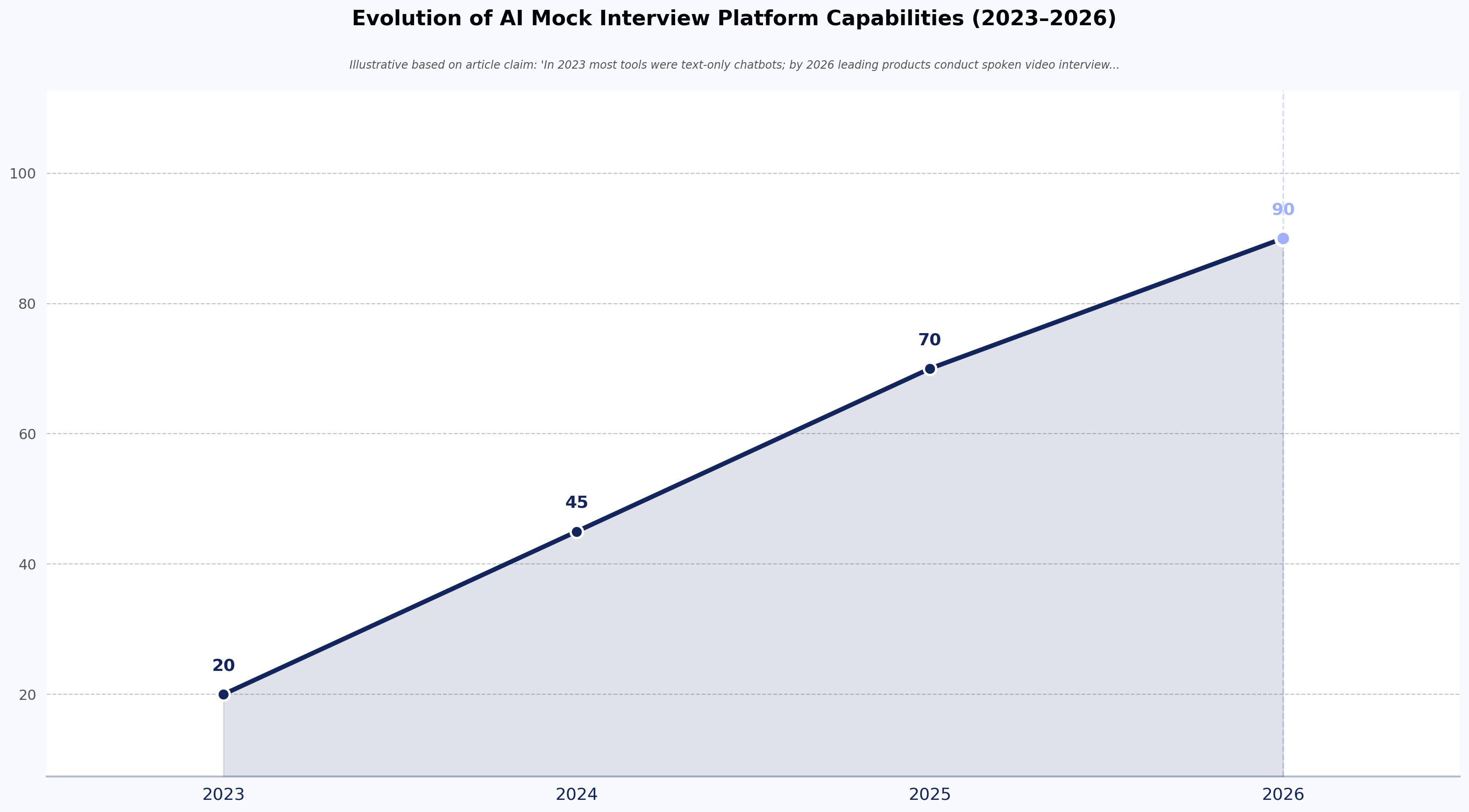
What's different from 2023-era attempts: the interviews feel like conversations. That change alone has shifted the candidate reaction more than any feature list. For teams building their own evaluation frameworks, our guide to technical assessments for engineering hiring covers how to translate role expectations into scorable signals the AI can apply consistently.
The Candidate Experience of AI Interviews in 2026
Candidates report three things consistently: relief at the scheduling flexibility, discomfort at the loss of rapport, and a specific new anxiety about "performing for the machine."
Scheduling flexibility
The scheduling win is real. A candidate who applies at 11 PM on a Sunday can complete a full technical interview before Monday standup. For candidates weighing competing offers, that speed matters — hiring teams report that funnels still routed through a human recruiter's calendar lose top-of-funnel candidates to faster-moving competitors.
Rapport loss, by seniority
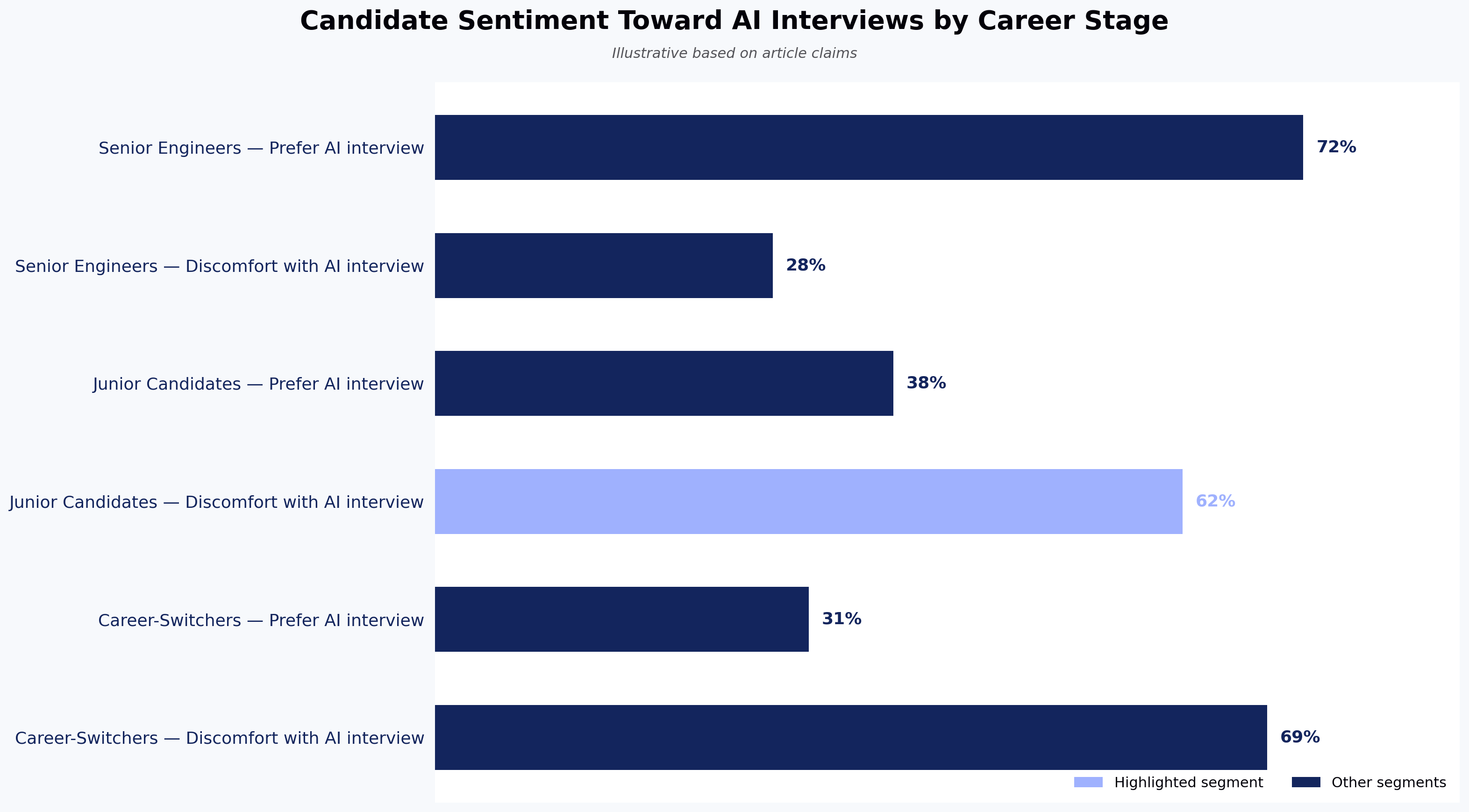
The rapport loss is also real, and it's not evenly distributed. Junior candidates and career-switchers — people who benefit from a warm human read of their potential — describe these sessions as harder to "recover" from a bad start. Senior engineers, who are usually being evaluated on specific technical judgment, report the opposite: they prefer the consistency and the absence of small talk.
The new "performing for the machine" anxiety
This anxiety is worth naming. Candidates ask whether looking away from the camera counts against them, whether the AI penalizes pauses for thought, whether their accent affects scoring. Most of these fears are unfounded on well-built platforms, but the fears themselves affect performance. Hiring teams that publish a plain-English candidate FAQ — what the AI evaluates, what it doesn't, how to appeal — see fewer drop-offs.
What AI Interviews in 2026 Change for Hiring Teams
The operational math shifts in four places:
Senior engineer time recovered
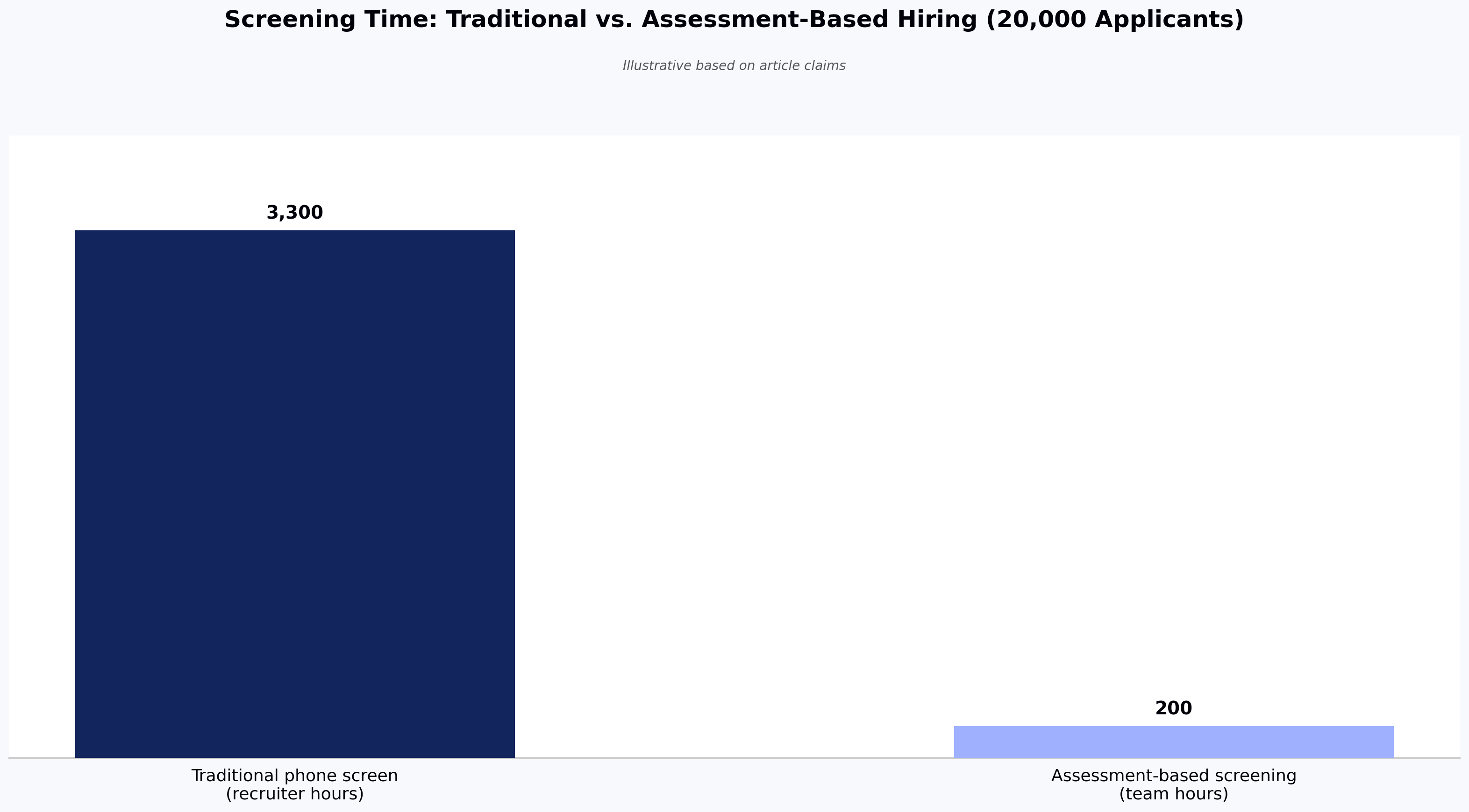
The most consistent gain we see: staff and principal engineers stop losing 5+ hours a week to first-round screens. That time returns to shipping, code review, and later-stage interviews where their judgment actually matters.
Time-to-hire compresses on the front end
As Pawan Kuldip, Head of Human Resources at Discover Dollar Inc., described in a HackerEarth customer story: "Roles that previously took much longer are now being closed within three to four weeks." Front-end compression is where the gain sits — offer negotiation and reference checks still take the same time they always did.
Proxy candidates and AI-generated CVs get filtered earlier
KYC verification at interview stage catches a category of fraud that resume screening cannot. This matters more in 2026 than it did in 2023, because the tooling on the candidate side has also improved. Talent leaders across the industry — including in SHRM's 2024 Talent Trends reporting — have raised AI-generated application materials as an area of concern.
Rubric drift narrows
When every candidate answers the same core questions with the same follow-up logic, calibration meetings shorten. Panels stop arguing about whether Candidate A "seemed sharper" than Candidate B; they argue about the score deltas. HackerEarth's skills-based hiring resources cover where rubric consistency changes panel dynamics.
None of this eliminates the human interview. It reallocates where humans spend their time.
Where AI Interviews in 2026 Still Fail
Three failure modes are worth being direct about.
Context-dependent judgment
The format evaluates what a candidate says and codes during the session. It does not evaluate whether the candidate would thrive on a team that's rebuilding its data platform under deadline pressure. That's still a human read, and hiring teams that skip the human read entirely consistently report degraded signal on cultural and contextual judgment.
Novel problem formats
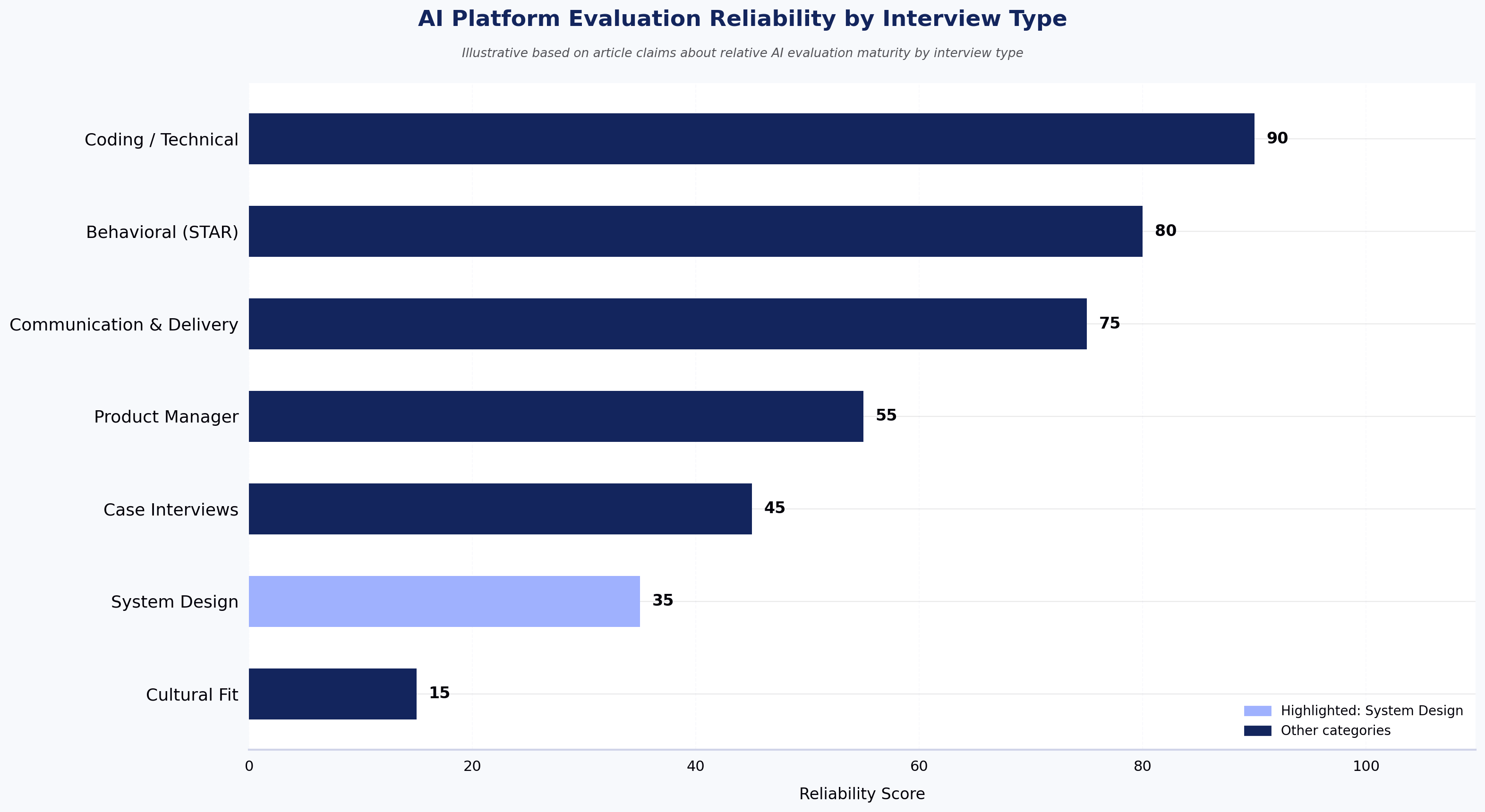
Well-designed sessions handle standard technical rounds and system design conversations reliably. They struggle with unusual formats — extended pair-programming, ambiguous product-engineering problems, live debugging of a real codebase. FaceCode (HackerEarth's live technical interview platform) or a live human panel is the right tool for those rounds.
Bias profile is different, not absent
AI interviews are more consistent across candidates than human-led screens on rubric application, which reduces interviewer-mood and fatigue effects. They introduce their own patterns — some research and industry observation suggests speech-recognition accuracy can vary by accent, and rubric weights encode whoever wrote them. Any vendor claiming "zero bias" is selling you a story. The honest framing is that these systems trade one bias profile for another, and the new profile is auditable in ways the old one wasn't.
How Hiring Teams Should Structure AI Interviews in 2026
Use the format for the first technical round after resume triage, then route passing candidates into a human panel for later stages. Here's the workable pattern for most engineering funnels:
- Triage resumes using your standard filters.
- Deploy the AI interview as the first technical round. Session length is customer-configured; a common estimate is roughly 60 minutes for mid-level roles and up to 90 minutes for senior roles, though these should be tuned to your rubric rather than treated as fixed.
- Publish the rubric to candidates before they start — what's evaluated, how it's scored, what a passing threshold looks like.
- Route passing candidates into a human panel for final rounds where cultural judgment and team fit matter.
- Provide an appeal path so candidates can flag misreads and hiring teams can catch model drift.
Do not use this format as the only evaluation. Do not use it for hires above the director level, where the judgment call is almost entirely about context and trajectory.
Teams that follow this pattern report the operational gains without the candidate-experience backlash. Teams that try to fully automate the loop report the opposite.
Frequently Asked Questions
Are these interviews fair? More consistent across candidates than human-led screens on rubric application, less capable on context-dependent judgment. The fairness question is not "AI vs. human" — it's "which failure mode is more acceptable for this role." For high-volume screening where interviewer fatigue drives inconsistency, the AI-led format is often fairer. For senior hires where context matters, human panels are.
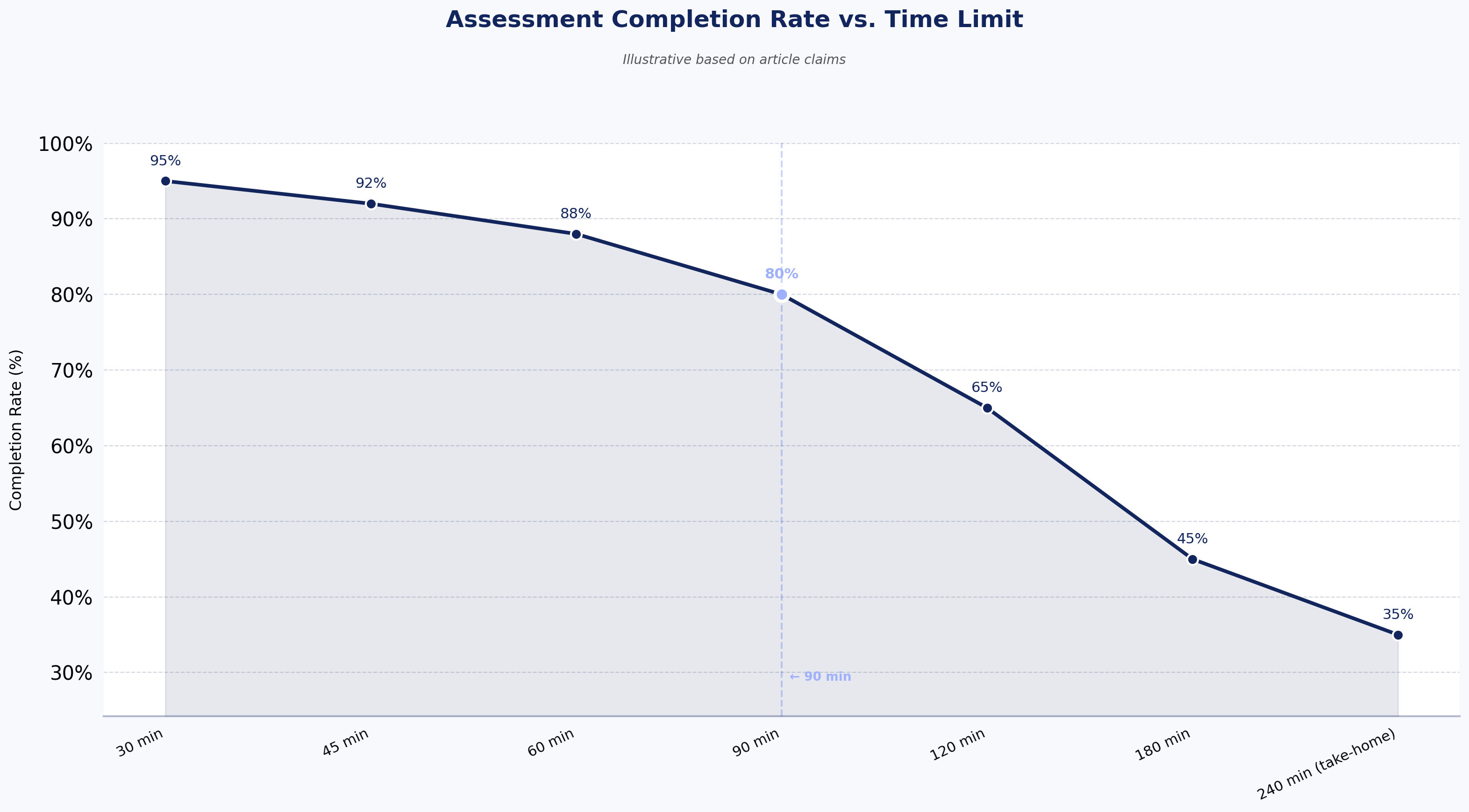
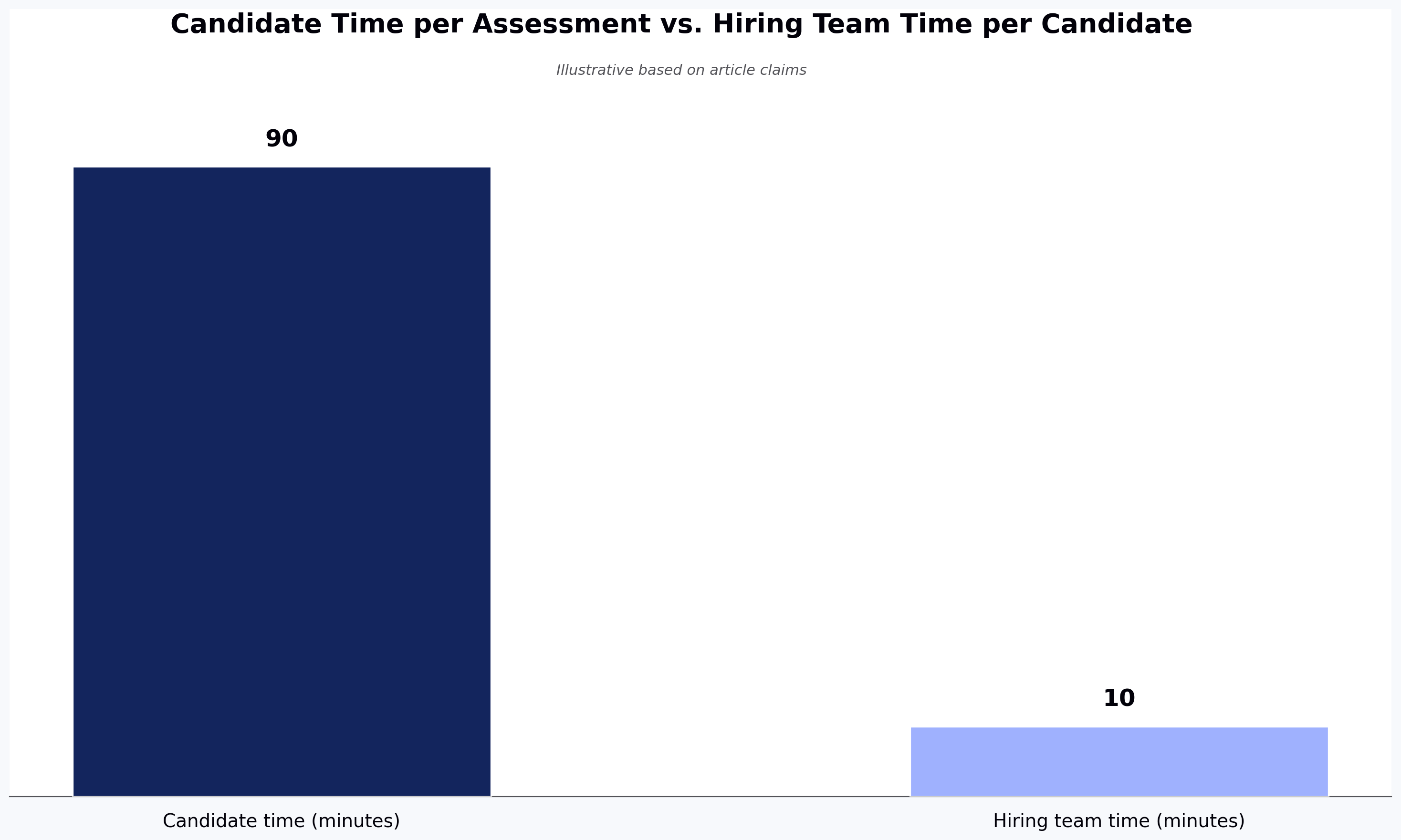
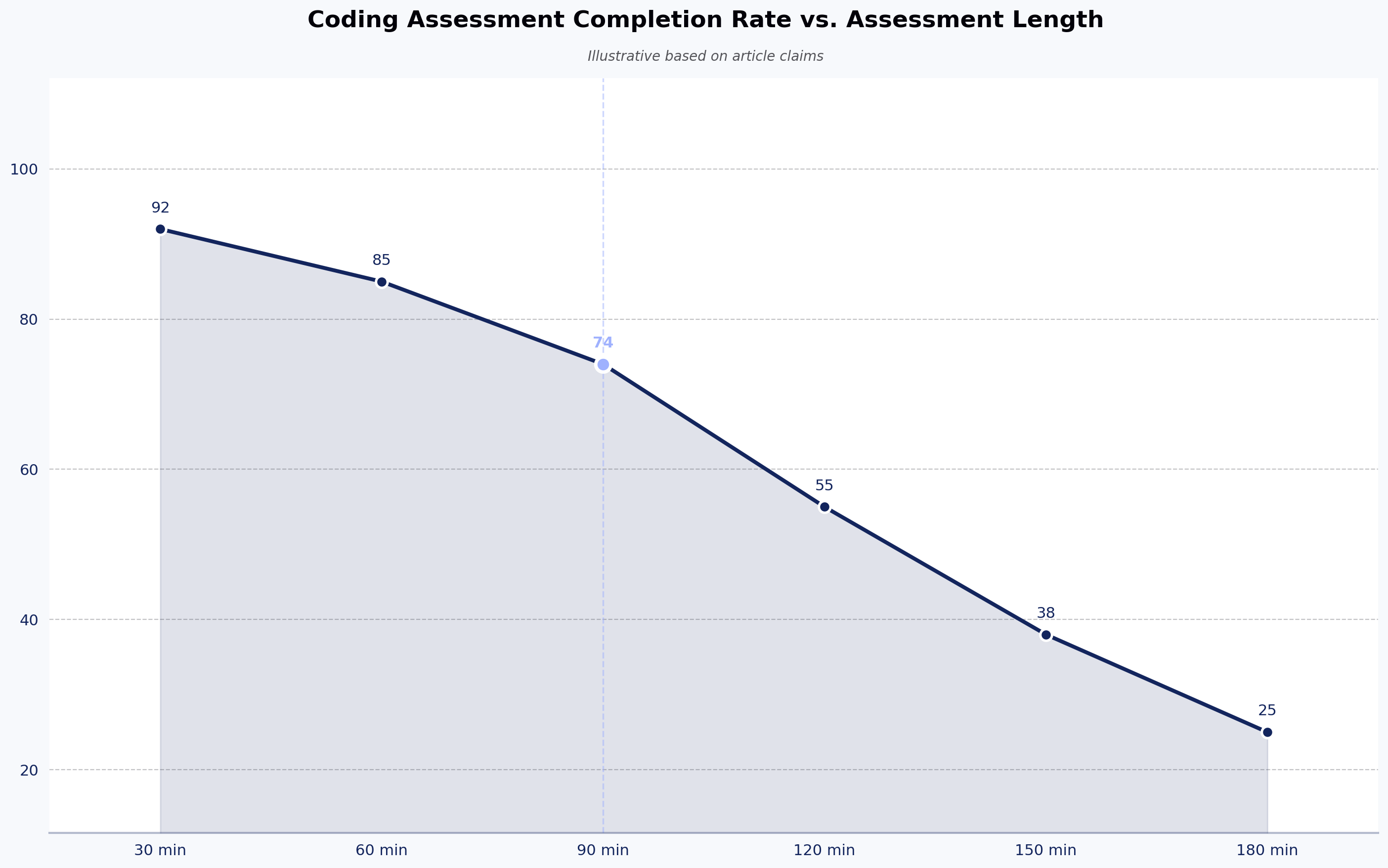
How long does a session take? Session lengths are customer-configured. Teams commonly set mid-level engineering rounds in the 45–75 minute range and up to around 90 minutes for senior roles. Shorter and the signal is thin; longer and candidate drop-off rises sharply.
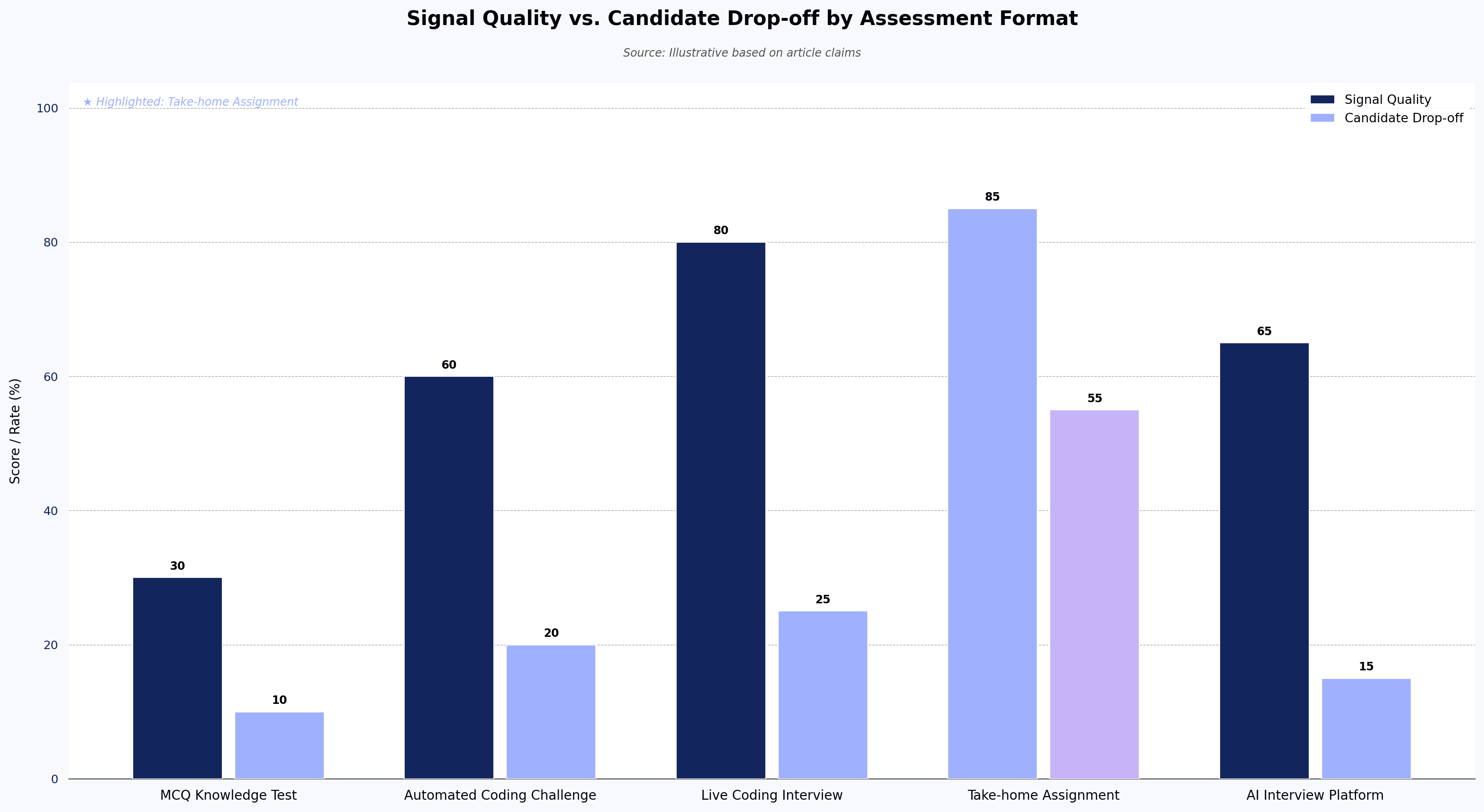
Can candidates cheat? Less easily than on take-home assignments, more easily than on live human panels. KYC verification, proctoring, and adaptive follow-up questions catch most proxy candidates and copy-paste attempts. Determined cheaters can still find gaps — no interview format is fraud-proof.
Do candidates dislike them? Reactions split by seniority and career stage. Senior engineers generally prefer them for the scheduling flexibility and consistency. Junior candidates and career-switchers report more discomfort. Publishing what the AI evaluates and offering an appeal path reduces the negative reaction significantly.
Should the format replace human interviews entirely? No. The right pattern is AI for first-round technical screening, human panels for later rounds.
What scale can a modern AI interview platform handle? Scale is where the 2026 generation separates from earlier tools. HackerEarth has observed enterprise customers using OnScreen to screen thousands of candidates in a single weekend — in one on-file case, more than 2,000 — a throughput profile that was not achievable with the 2023-era chatbot tooling. This is a documented instance rather than a guaranteed benchmark, but it changes how you plan hiring events, campus drives, and reduction-in-force backfill windows.
Key Takeaways
- AI interviews in 2026 are structured, avatar-led sessions with adaptive follow-ups and integrated identity verification — not chatbots.
- The biggest operational gain is senior engineer time recovered from first-round screens, not raw time-to-hire reduction.
- Candidate reactions split by seniority: senior engineers prefer these sessions, junior candidates struggle more.
- The bias profile shifts rather than disappears; the new profile is auditable, but "zero bias" claims are not credible.
- The strategic implication for hiring leaders: the AI-led first round is not a labor-saving swap for a human screen — it changes where in the funnel your most expensive engineers spend judgment, and your rubric design becomes the highest-leverage lever in the whole process.
Cut Senior Engineer Screening Time on Your Next Requisition
If your staff and principal engineers are losing hours each week to first-round screens, book a walkthrough of HackerEarth OnScreen to see how it handles a live requisition on your funnel — from resume triage through to a scored, human-ready shortlist.
Editorial notes for pre-publication review: - Confirm final word count and update displayed read time to 7 minutes if word count exceeds 1,750. - Confirm Pawan Kuldip's canonical title ("Head of Human Resources, Discover Dollar Inc.") and replace the /customers/ index link with the named case study URL before publication. - Confirm the specific SHRM 2024 Talent Trends report URL and characterization ("area of concern") against source language; if the direct URL cannot be sourced, retain as an unlinked inline reference as shown. - Confirm with product team whether OnScreen's in-session coding evaluation is a released capability; text above has been adjusted to reference structured technical rounds without asserting an embedded live code editor with auto-evaluation. - Confirm session-length ranges (45–75 min mid-level, up to ~90 min senior) with product team; currently framed as customer-configured estimates. - Competitor names (HireVue, Karat, Metaview) have been removed from body content pending Brand Guardian approval per competitors.md. - Replace remaining internal link anchors with named case study / resource URLs once available.