Interview Once. Apply Everywhere. A Better Way for Developers to Get Hired
Estimated read time: 7 min
If you're a recruiter or hiring manager running a technical pipeline, one of the most expensive problems isn't sourcing — it's re-screening the same engineer for the same baseline competencies across three different requisitions while a competing offer closes. The "interview once, apply everywhere" model — a structured, standardized technical evaluation that a hiring team references across multiple open roles instead of rebuilding screening from scratch — is one response to that constraint. It is increasingly discussed as a framing for how to make screening less repetitive inside a single organization's pipeline, with the goal of reducing candidate drop-off and shortening time-to-fill.
The operational question for a recruiter or hiring manager is straightforward: how do you stop re-screening the same competencies across requisitions while keeping evaluation quality high?
Why repeated technical screening hurts your funnel
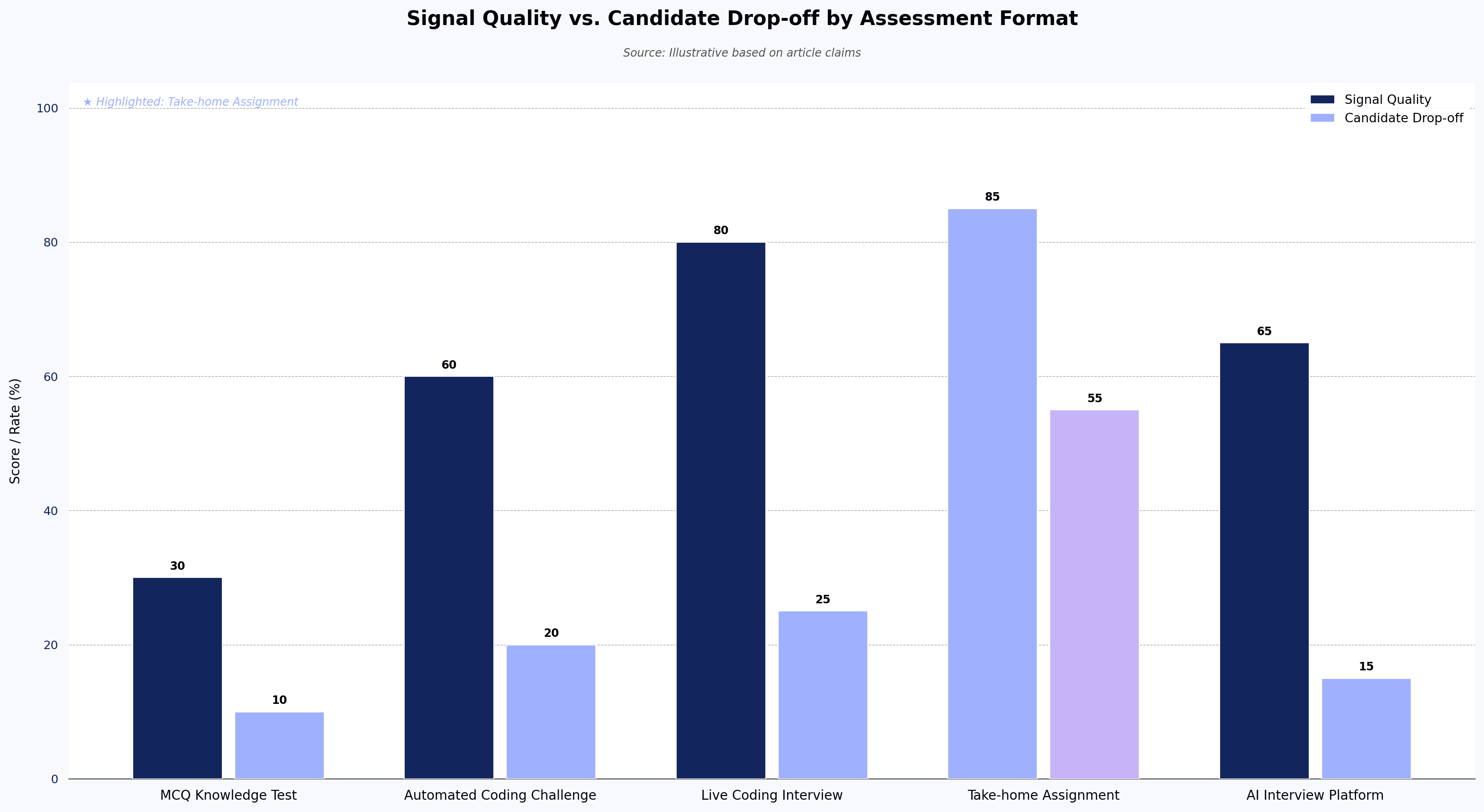
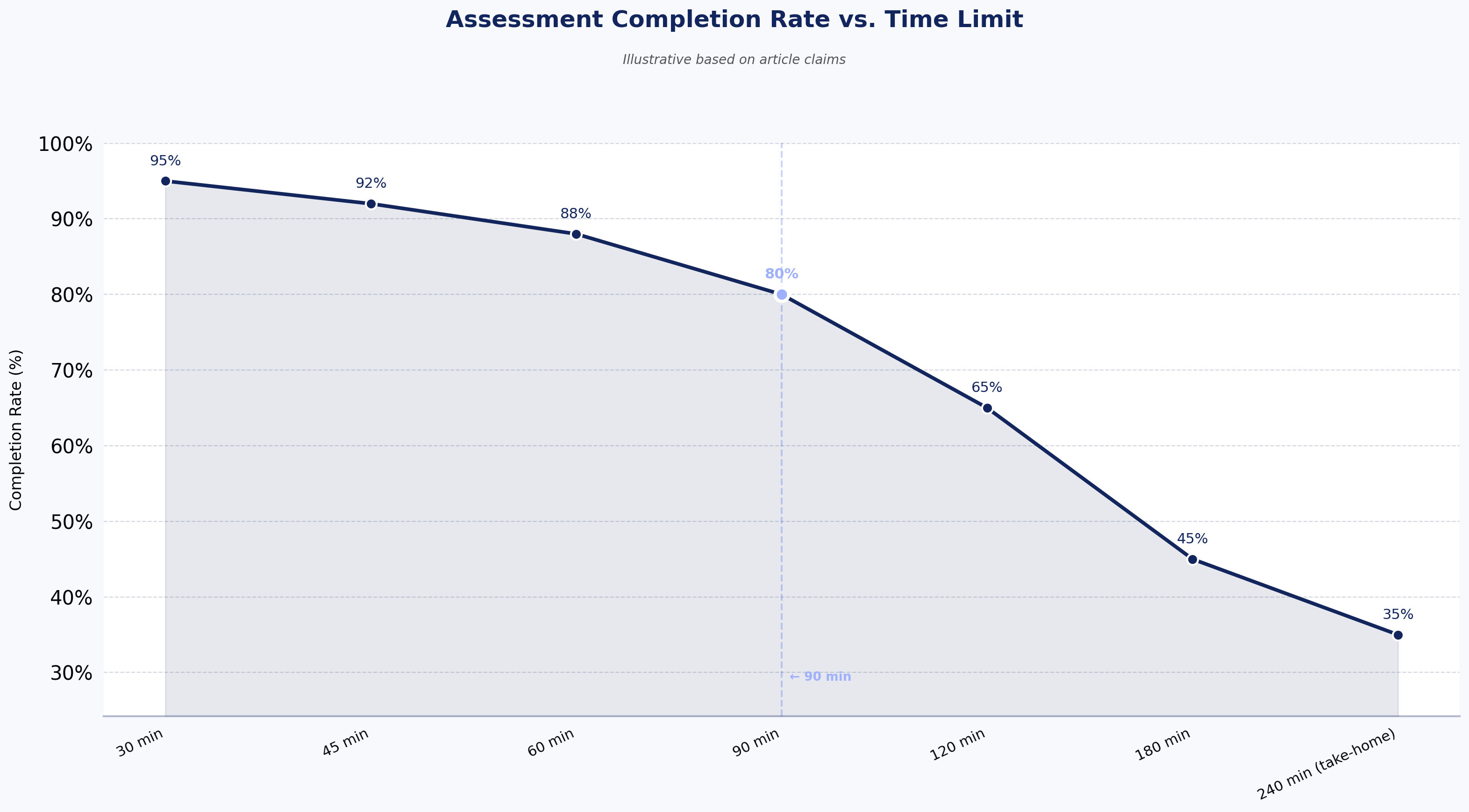
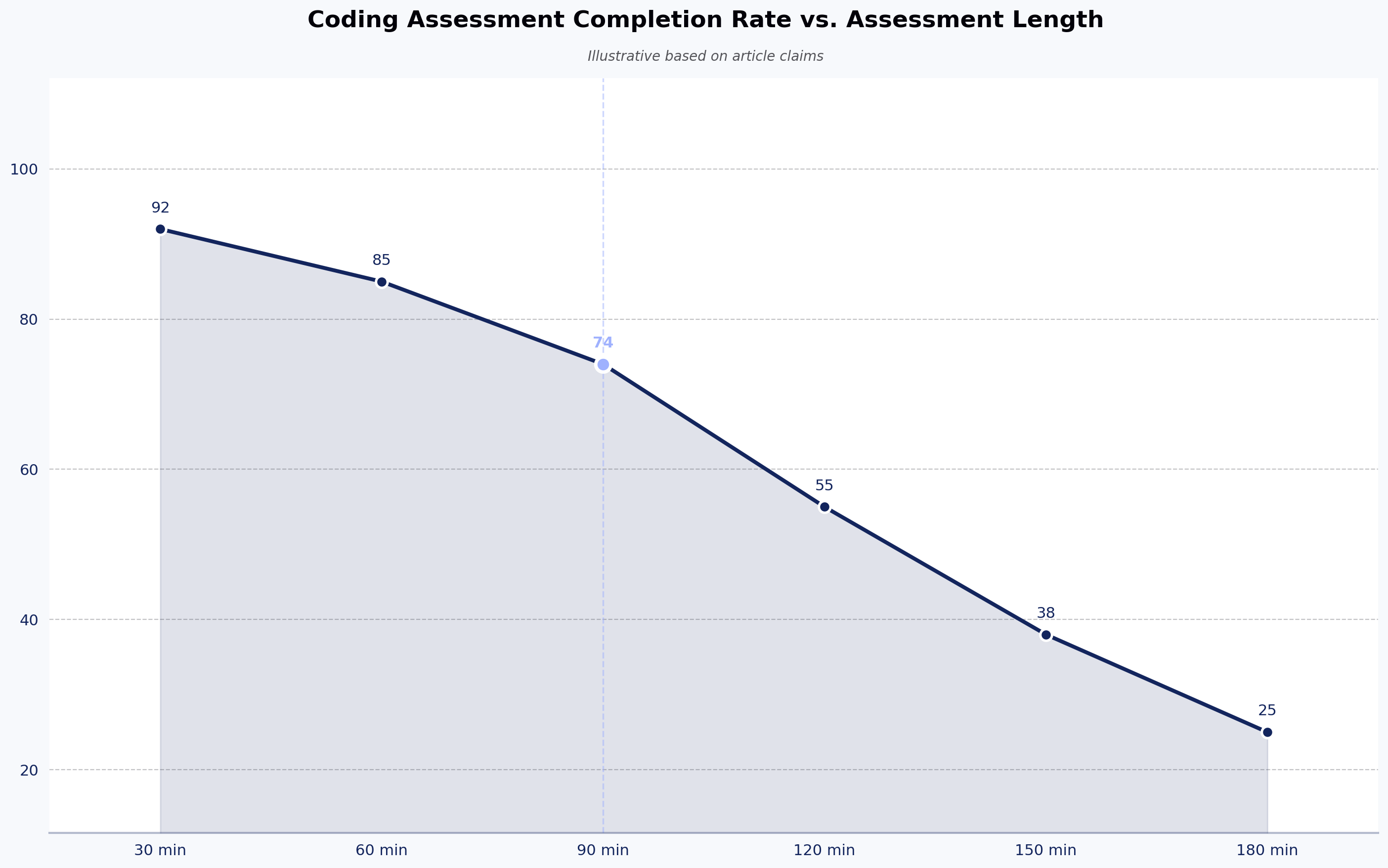
The hidden cost of repeating interviews is candidate drop-off and recruiter overhead. Strong software engineers tend to be heavily contacted by recruiters and have multiple processes running in parallel, which means every redundant evaluation step is an opportunity to lose them to a competing offer. In our experience working with hiring teams, when a strong backend engineer has to redo a coding challenge, an architecture discussion, and a take-home assignment for each role, drop-off rates often rise and hiring cycles often lengthen.
From a hiring manager's perspective, repeated baseline screening absorbs engineering time that could go toward later-stage judgment calls.
This is a contestable claim worth stating plainly: for senior individual-contributor roles, a well-designed structured assessment is often more predictive of on-the-job performance than an ad-hoc panel interview, because panels vary in rigor and rubric. Reasonable hiring leaders disagree, but Schmidt and Hunter's meta-analysis (Psychological Bulletin, 1998) found that structured interview methods are among the more predictive selection tools, and subsequent research has continued in that direction. (Editorial note: the "senior IC role" framing is an interpolation, not a direct claim from the paper.)
What "interview once, apply everywhere" means inside a single hiring pipeline
Within one employer's hiring workflow, "interview once, apply everywhere" means a candidate completes a structured technical evaluation once, and the hiring team references that evaluation across relevant open requisitions instead of re-screening. The output is a structured scorecard and evaluation report that downstream interviewers can build on.
Most organizations still assume every requisition starts evaluation from zero. That model creates three operational problems for talent acquisition teams:
- Candidates restart the evaluation process for every role, even within the same company.
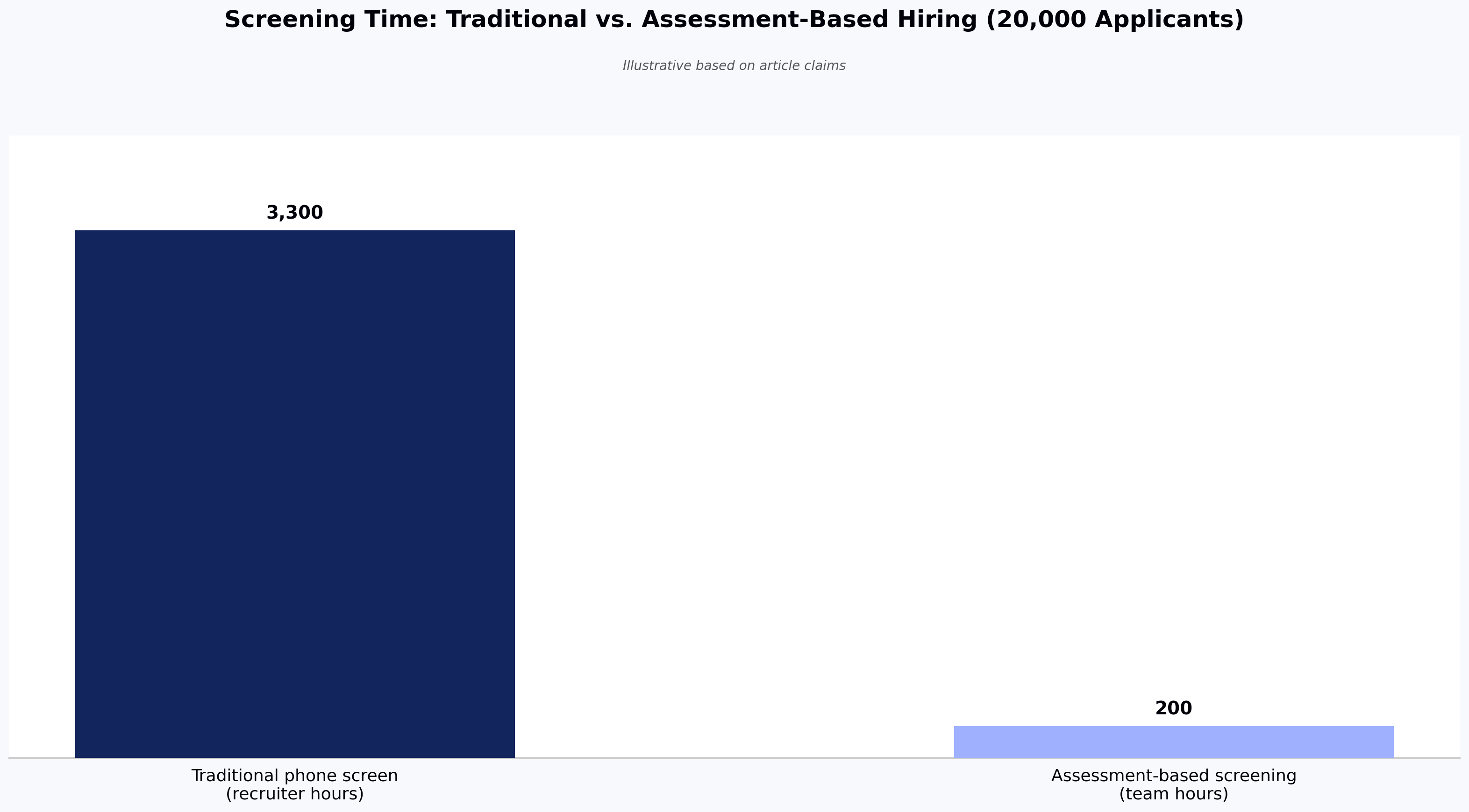
- Engineering teams burn hours on introductory assessments instead of late-stage judgment.
- Recruiters coordinate more interviews per hire, and time-to-fill drifts upward.
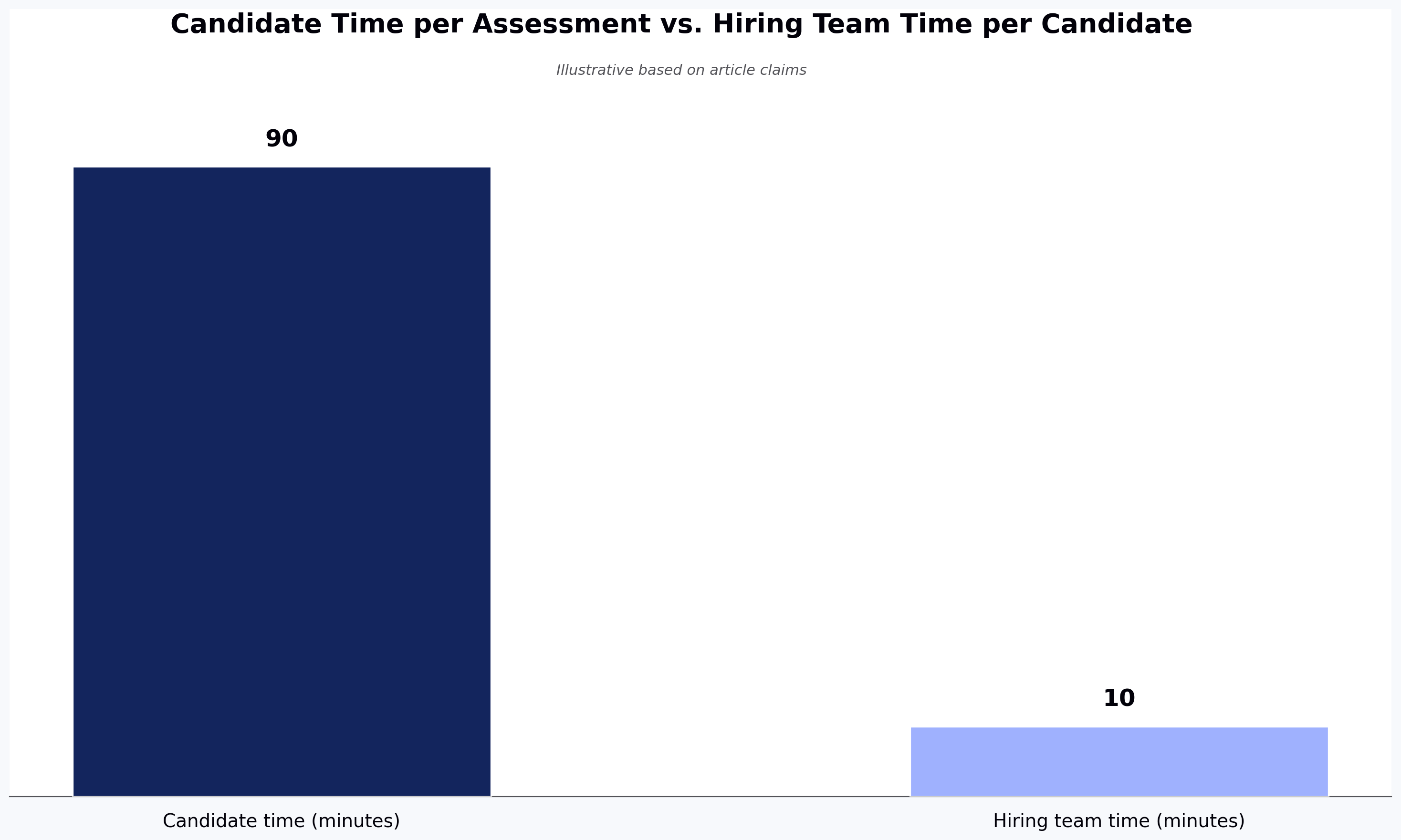
This approach reframes the purpose of later-stage interviews. Instead of re-testing baseline competence, hiring managers focus on team fit, domain depth, and role-specific judgment. Recruiters spend less time scheduling redundant rounds. Candidates spend less time re-proving the same skills to the same company.
Note the scope: this model applies within a single employer's pipeline. The idea of a candidate-owned, cross-employer portable evaluation that travels between companies is a separate (and unresolved) industry question — see the FAQ below for the tension this creates between candidate expectations and platform reality.

The screening-consistency problem (and where AI-assisted interviews fit)
Historically, interview quality varied between hiring managers within the same company. Questions, rubrics, and documentation differed, which made it hard to compare candidates or reuse signal across requisitions. Even when a recruiter wanted to apply this kind of reusable-evaluation approach, the underlying screening data was too inconsistent to reuse defensibly.
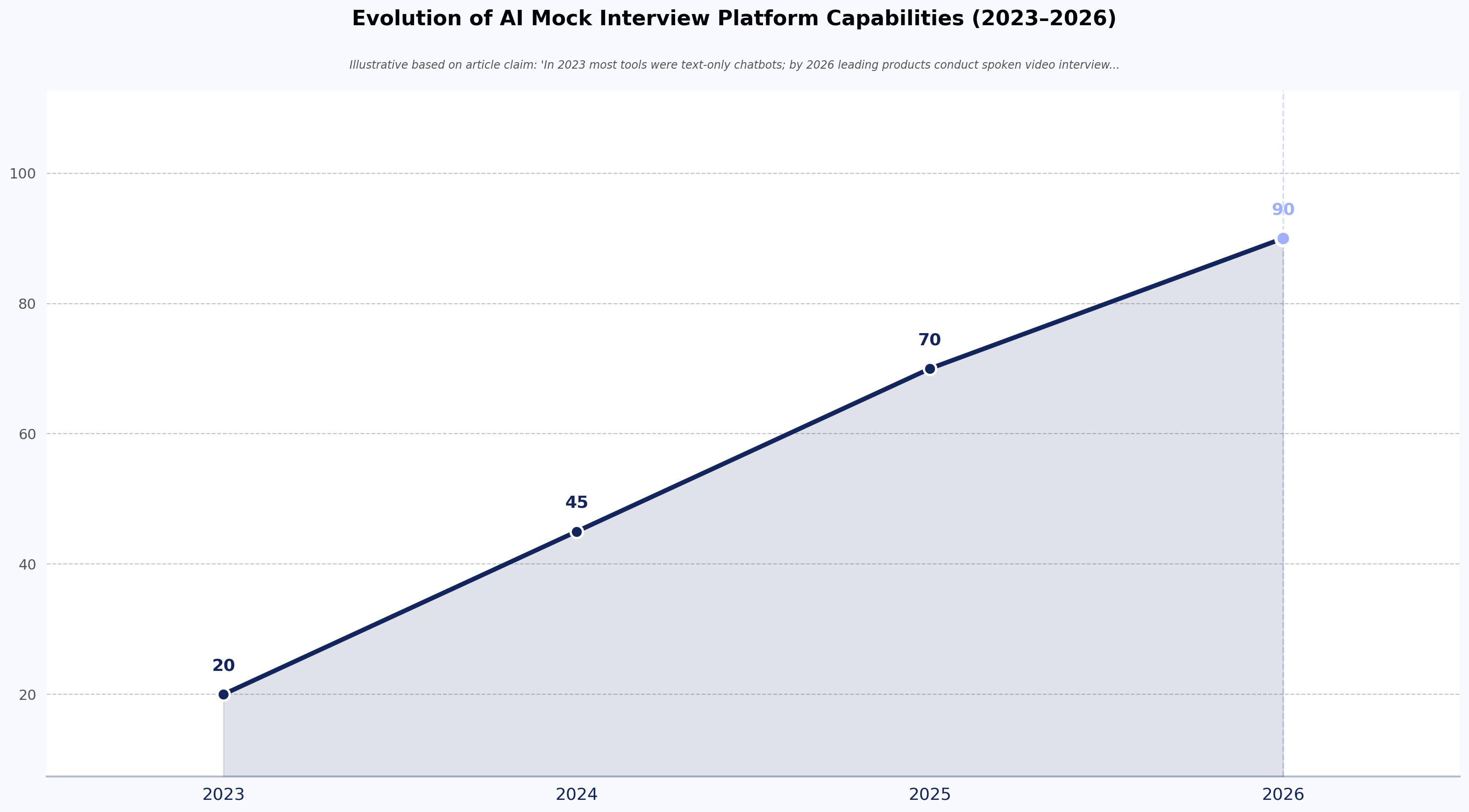
AI-assisted interview tools address that gap. HackerEarth's OnScreen — HackerEarth's AI interview tool that conducts structured technical interviews 24/7 using video-avatar interviewers and built-in identity verification for candidates — is one example. Launched publicly in April 2026, it runs role-calibrated, structured technical conversations with identity verification and integrated proctoring, and produces a standardized scorecard against a defined rubric. The differentiator worth naming for the "reuse across requisitions" thesis: OnScreen outputs a rubric-aligned scorecard with named competency dimensions (problem decomposition, code quality, communication, and role-calibrated technical depth) that map directly into ATS candidate records, so downstream interviewers on adjacent reqs can pick up the same scorecard without re-running the baseline evaluation.
The AI is a screening aid, not a final hiring decision-maker; final judgment stays with the hiring team.
From resume-based screening to evidence-based screening
Resumes describe skills; assessments demonstrate them. Two candidates with identical titles and similar stacks often perform very differently on a structured technical evaluation. That gap is why many talent acquisition teams are shifting screening weight away from credentials and toward demonstrated capability through coding assessments and structured interviews.
Framing note: The table below is a product-framing callout, not a neutral empirical comparison. Treat it as a conceptual aid contrasting two screening philosophies, not a benchmarked study.
| Resume-led screening | Evidence-led screening (the model behind "interview once, apply everywhere") |
|---|---|
| Resume-focused | Skill-focused |
| Experience claims | Demonstrated capability on a defined task |
| Subjective screening | Structured evaluation with rubric |
| Repeated rounds per requisition | Reusable assessment within the pipeline |
| Limited comparable signal | Scorecard-based comparison |
For recruiters, evidence-led screening produces signal that is easier to defend to hiring managers and easier to compare across a slate. For more context, see HackerEarth's broader resources on structured technical hiring.
What an evidence-led candidate record looks like in your ATS
While the previous section framed why evidence-led screening matters as a philosophy, this section is about the operational artifact it produces. A candidate record built on assessment evidence extends beyond a resume — it is a structured object inside the ATS. It can include coding assessment performance, structured interview outcomes, system design evaluation notes, and a scorecard generated through standardized rubrics. Inside one employer's workflow, that record gives downstream interviewers a defensible baseline so they don't repeat earlier work.
For hiring managers, the record means fewer "let me re-check the basics" rounds. For recruiters, it means a more consistent artifact to attach to a req. Teams building this kind of evidence trail often pair it with broader skills-based hiring practices to keep evaluation criteria steady across roles.
What this model changes for recruiters and hiring managers
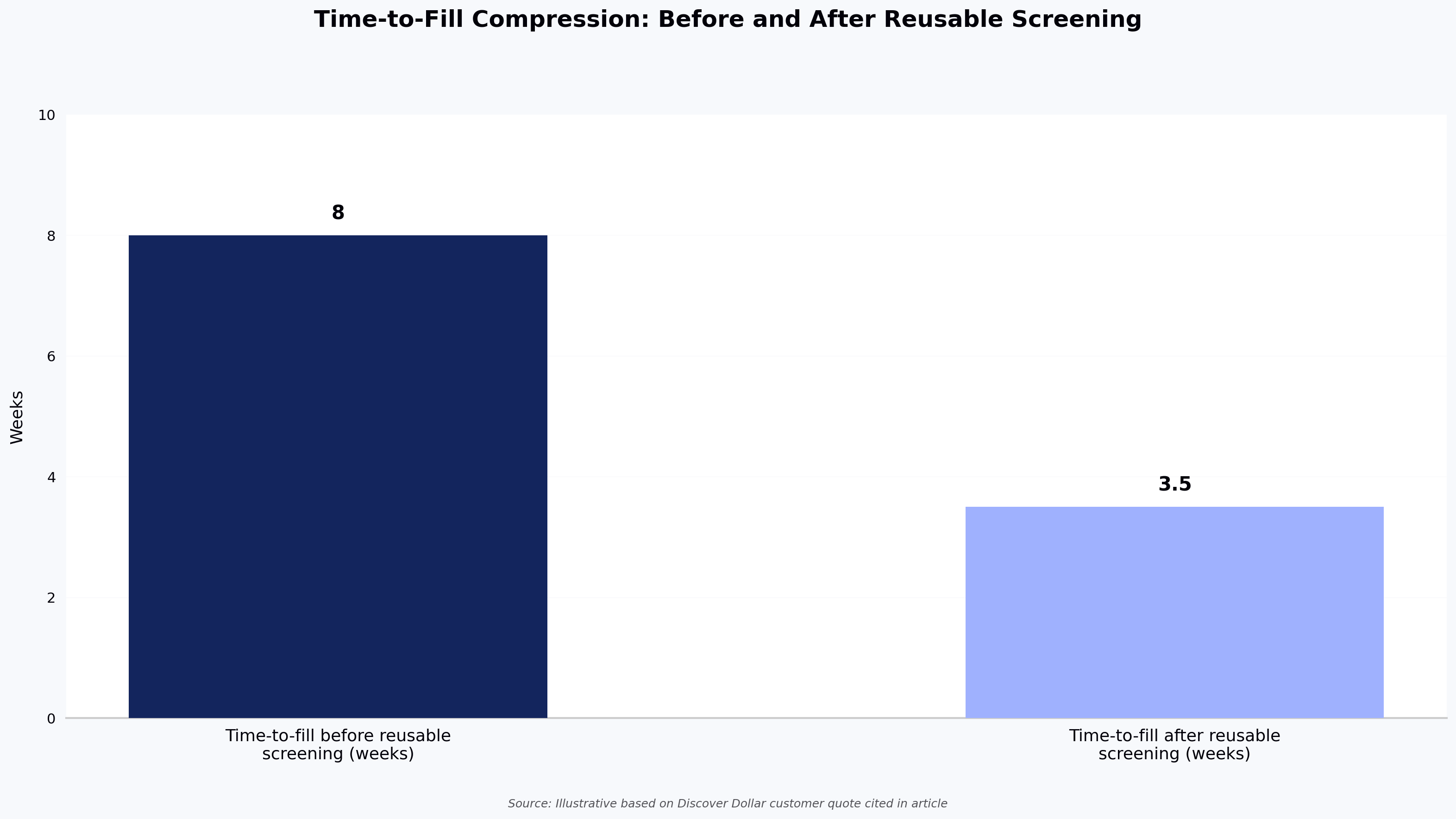
The strongest engineers are often already employed and selective about which processes they complete. Reducing redundant screening within your pipeline can lower drop-off between application and offer. As one HackerEarth customer, Discover Dollar, has reported: "Roles that previously took much longer are now being closed within three to four weeks."
Operationally, talent acquisition teams using structured, reusable screening typically see three shifts:
- Recruiters coordinate fewer introductory rounds per hire.
- Engineering managers spend their interview time on judgment, not qualification.
- Slates are easier to compare because the screening signal is uniform across candidates.
These are operational gains worth considering, not guaranteed outcomes — the size of the impact depends on req volume, role mix, and how disciplined the team is about using the scorecard downstream. For illustration, a team running dozens of open technical reqs simultaneously is more likely to see meaningful compression in time-to-fill than a team hiring two engineers a year, because the cost of redundant screening compounds with volume.
Where the model breaks down
Reusable technical evaluation is not the right fit for every hiring scenario. A few honest limitations:
Proprietary IP or highly custom stacks
Roles that require evaluation against internal systems, proprietary frameworks, or non-public tooling are hard to screen with a standardized assessment. These often need bespoke take-homes or pairing sessions with the actual team.
Non-traditional candidates
Standardized tests can disadvantage candidates whose strengths don't surface in timed, structured formats — career switchers, self-taught engineers, and candidates from non-CS backgrounds. Teams hiring from these pools should pair structured assessments with alternative evaluation paths.
Senior leadership and staff-plus roles
Judgment, scope, and influence are difficult to capture in a structured assessment and usually require bespoke evaluation, including architecture discussions and cross-functional reference conversations.
Candidate privacy
Any reuse of evaluation data inside a hiring system raises legitimate questions about consent, retention, and what the candidate sees. Talent teams should be explicit about data handling and align with their compliance posture.
Cross-employer portability
Despite the marketing framing some vendors use, "interview once, apply everywhere" generally operates within one employer's pipeline. Results from one company's assessment platform are not portable to another employer's hiring system.
Naming these trade-offs matters. A screening model that works for high-volume engineering hiring may not work for your staff-level search or your founding-team req.
Frequently asked questions
Can I reuse technical interview results across companies?
No — as of today, technical interview results are not portable across employers. Candidates increasingly expect portability (one strong interview unlocking many doors), but employers retain the assessment data as a hiring artifact tied to their own rubric, ATS, and compliance posture. That asymmetry is why this model, as practiced today, lives inside a single employer's pipeline rather than across the industry — and why candidate-owned portable evaluations remain an unresolved product question rather than an available capability.
Does AI replace human interviewers in technical hiring?
No. AI-assisted interview tools handle structured screening so human interviewers can focus on later-stage judgment, team fit, and role-specific evaluation. Final hiring decisions stay with the hiring team.
What is a structured scorecard, and why does it matter for recruiters?
A structured scorecard is a rubric-based evaluation output that documents how a candidate performed against defined competencies. It gives recruiters a steady artifact to share with hiring managers and makes candidate comparison across a slate more defensible. In an "interview once, apply everywhere" workflow, the scorecard is the object that travels across requisitions — without it, the model collapses back into ad-hoc re-screening.
How does this workflow affect time-to-fill?
By reducing redundant screening rounds within one employer's pipeline, structured and reusable evaluation can shorten time-to-fill. The actual impact depends on requisition volume, role complexity, and how methodically the hiring team uses the scorecard downstream.
Are standardized assessments fair to non-traditional candidates?
Standardized tests can disadvantage candidates whose strengths don't surface in timed, rubric-based formats. Talent teams should pair structured assessments with other evaluation methods for roles where non-traditional backgrounds are common, and should review rubrics periodically for adverse impact.
See it in action
If you're rethinking how your team screens technical candidates, take a closer look at OnScreen and HackerEarth's coding assessments. Both are built for recruiters and hiring managers who want defensible screening signal without rebuilding evaluation for every requisition.