Global recruitment challenges in 2026
In 2026, recruiting is shaped by a mix of ongoing talent shortages, the rise of autonomous AI, and major changes in how employers and workers relate. Attracting and keeping talent has now become central to business strategy. It’s no longer just an administrative task. This analysis looks at the main challenges for talent acquisition and offers a practical framework to help organizations build a resilient workforce in a fast-changing environment.
Talent scarcity and demographic shifts
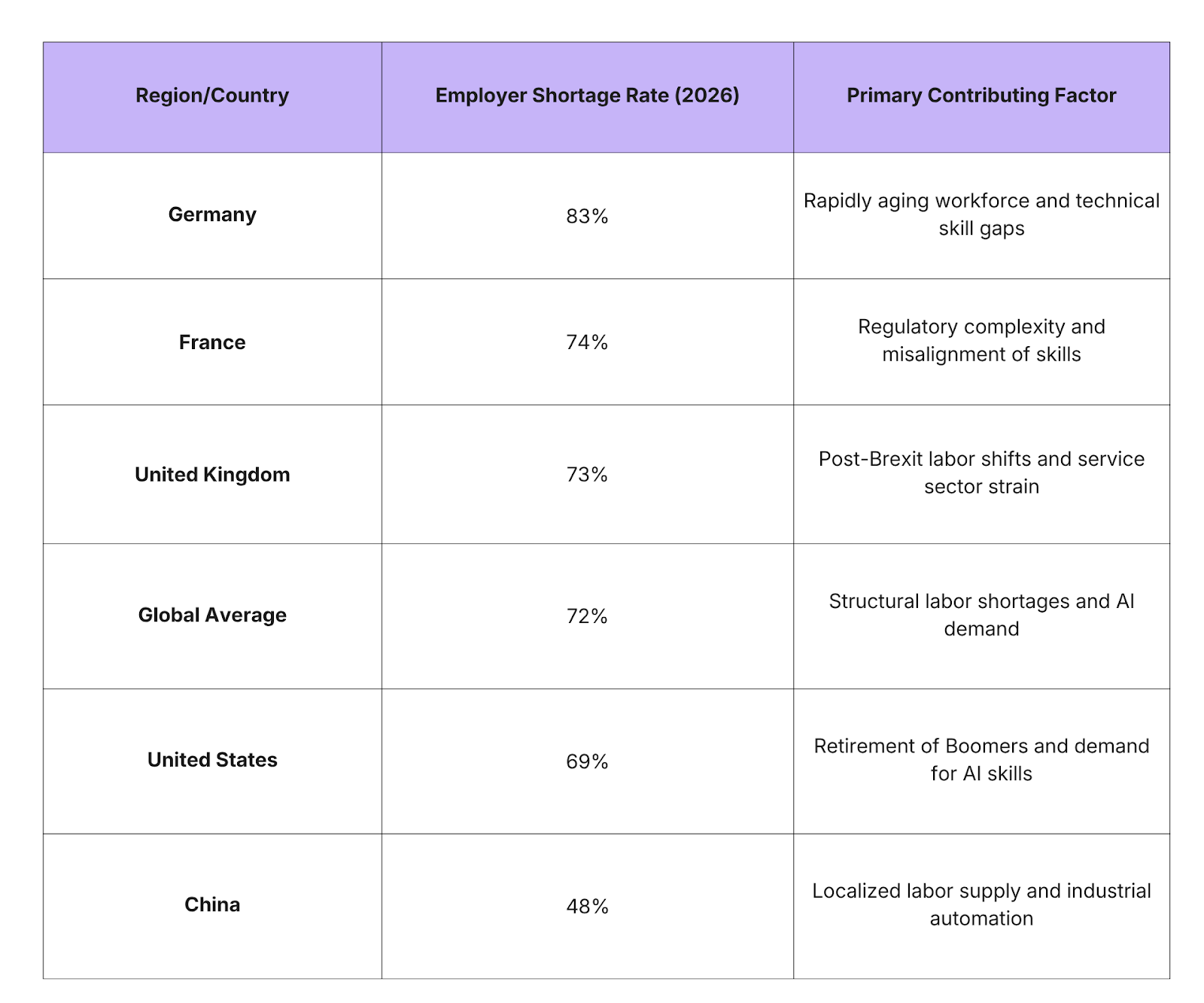
In 2026, the global talent shortage has hit a critical point. Data shows that 72% of employers worldwide struggle to fill roles, and this number remains high even as the overall job market cools. This shortage is not just a short-term issue. It is caused by the rapid retirement of the Baby Boomer generation, with 10,000 people leaving the workforce each day, and by a growing gap between what traditional education provides and what an AI-driven economy needs.
Sectoral volatility and specialized talent gaps
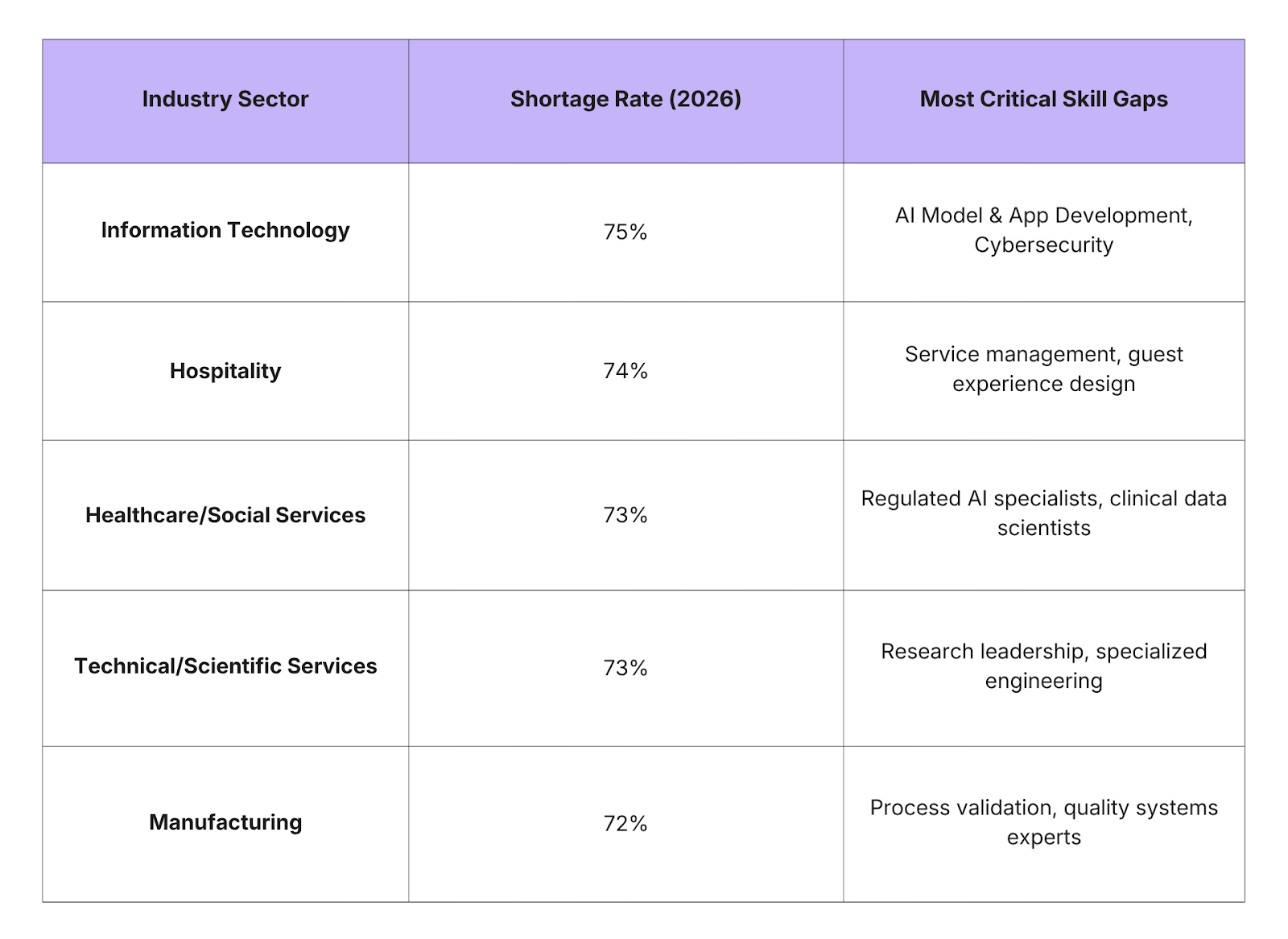
The information technology sector still has the highest shortage rate at 75%. This is mainly because AI skills are now harder to find than traditional software or data analysis skills. Other key sectors, like hospitality and the public sector including healthcare and social services also report high shortage rates at 74%.
The artificial intelligence inflection point in talent acquisition
Artificial intelligence is now being used in all HR tasks, with adoption growing from 26% in 2024 to 43%. The biggest trend is the use of autonomous AI agents. Unlike older chatbots, these agents work on their own to handle sourcing, screening, scheduling, and analyzing the job market.
Research indicates that 52% of talent leaders plan to integrate autonomous AI agents into tResearch shows that 52% of talent leaders plan to add autonomous AI agents to their teams by late 2026. This change is reshaping the recruiter’s job. Recruiters can now spend less time on resume screening and more time on building relationships, assessing culture fit, and giving strategic advice. Companies using AI-assisted messaging have seen a 9% improvement in hire quality, showing that AI works best when it supports human judgment. Challenges in tech recruiting often stem from the proliferation of AI-generated solutions being used by candidates during the evaluation process. To overcome this, organizations are adopting advanced online proctoring suites, such as those provided by HackerEarth.
HackerEarth’s online proctoring uses AI-powered, all-around monitoring to keep technical assessments fair and secure. The platform includes several advanced features to protect test integrity in remote settings:
- Smart browser technology: This feature creates a sealed-off testing environment by blocking unauthorized software, Virtual Machines (VMs), and screen-sharing tools while disabling copy-paste and drag-and-drop functionality.
- AI-driven video proctoring: The system provides continuous real-time surveillance, capturing high-resolution snapshots and employing eyeball movement analysis to detect anomalies or external assistance.
- Logic validation and bluff detection: To ensure candidates truly understand their code, the platform prompts surprise questions after submission, requiring an explanation of the logic and approach used.
- Behavioral pattern detection: Machine learning algorithms identify suspicious gestures, such as covering the mouth or looking off-screen, providing recruiters with an objective "proctoring score".
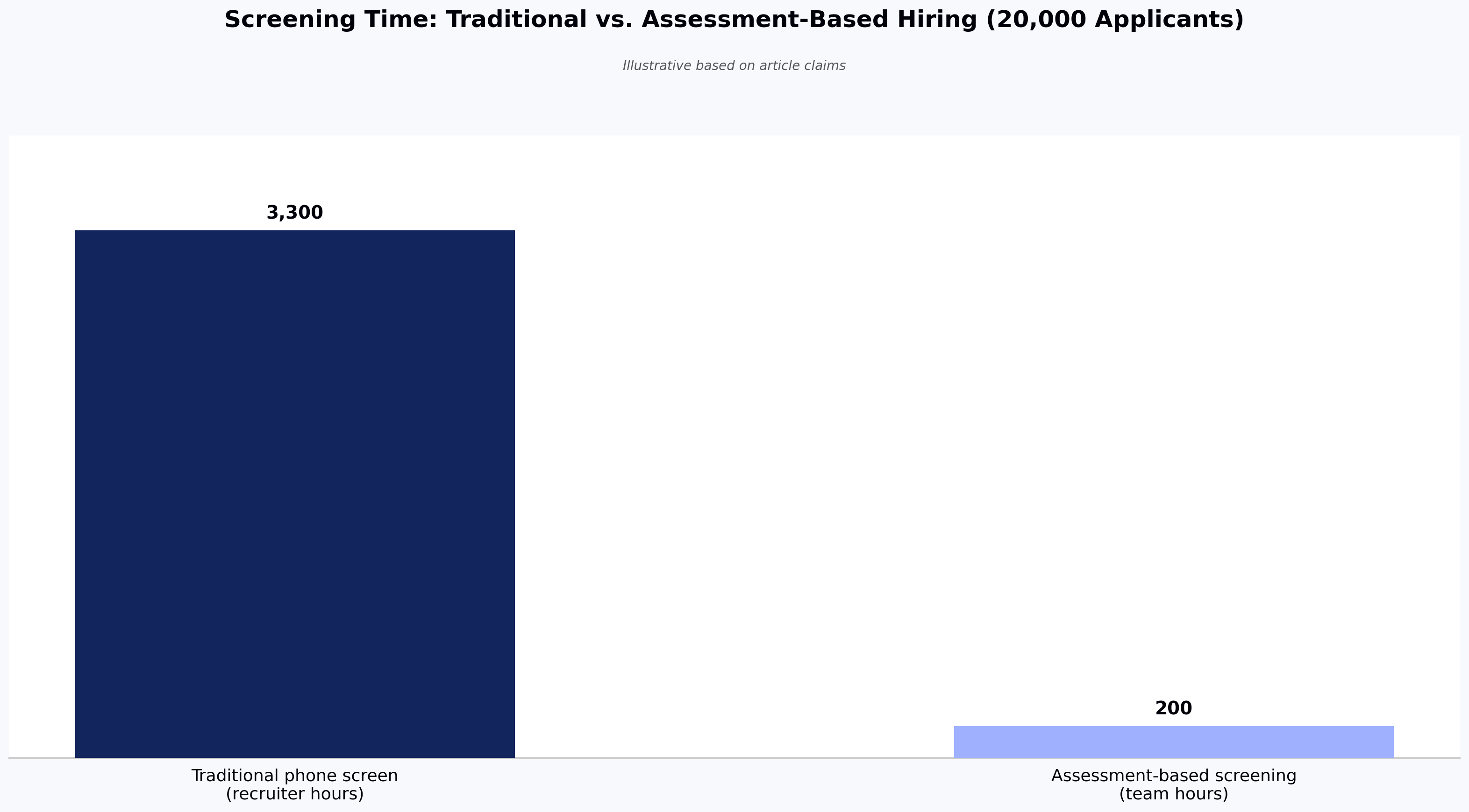
Using these tools, organizations can cut time-to-hire by up to 70% and make sure only qualified candidates reach the final interview stages. This is especially important in 2026, since only 26% of applicants trust AI to judge them fairly. Clear and transparent proctoring tools help build trust and give companies an edge.
Navigating the risks of cultural debt and bias
Even with greater efficiency, quickly adding AI can lead to "cultural debt" problems like misalignment, distrust, and ignored workplace norms if organizations do not carefully design how people and AI work together. Leaders need to clarify who is responsible when both humans and machines make hiring decisions. Making decision-making a strategic focus helps ensure AI supports, rather than replaces, human judgment.
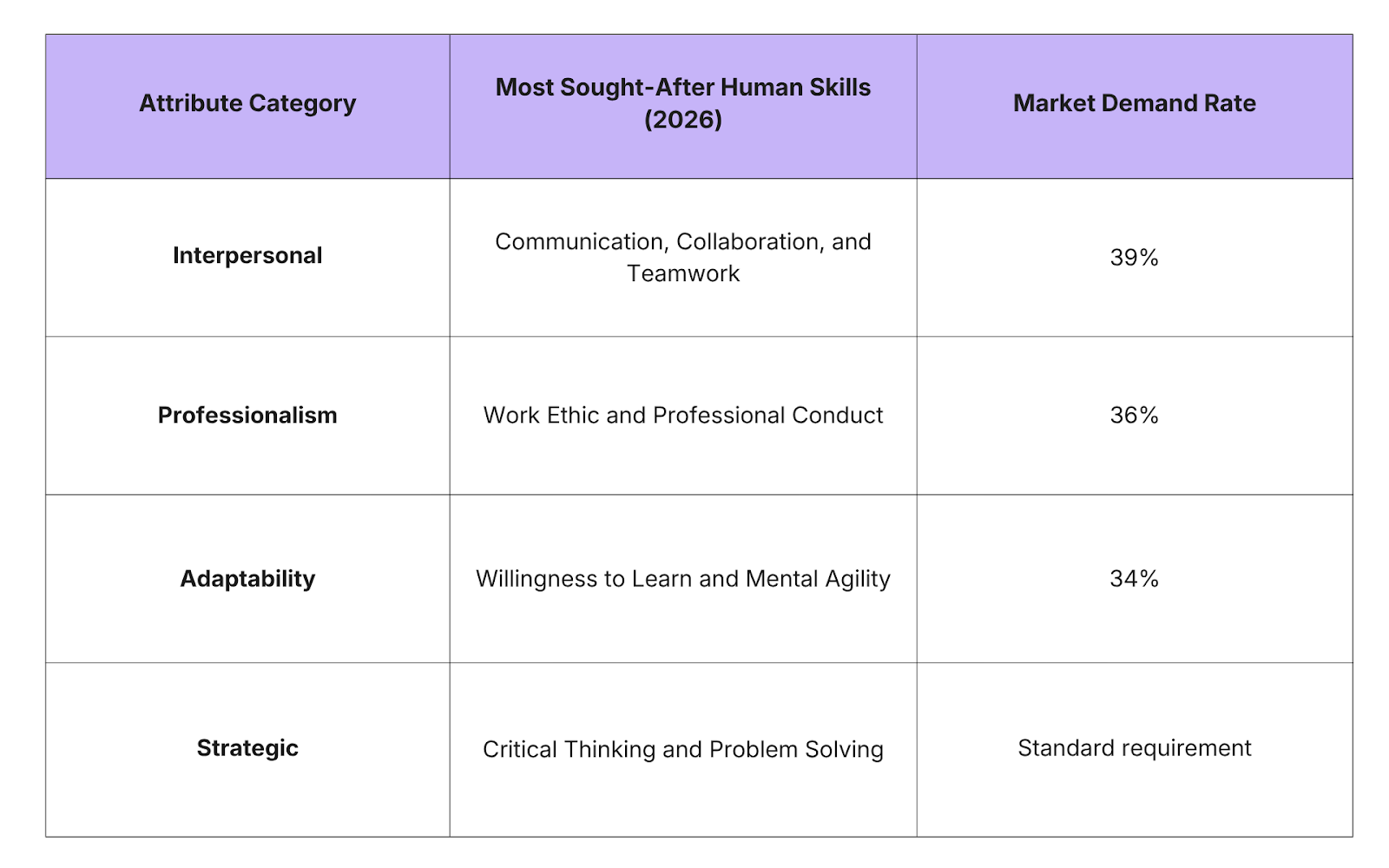
As AI handles more routine tasks, the "Human Edge" skills like empathy, teamwork, and strategic thinking—grows in importance. Organizations are using talent intelligence tools to spot skills in resumes and work history, helping employees move into high-demand AI and tech roles by finding related skills.
Upskilling and internal mobility as business continuity
Because of the talent shortage, companies are moving from quick hiring to building skills within their teams. By 2026, 69% of employers plan to invest in reskilling, seeing internal mobility as key to business continuity. This not only fills skill gaps but also boosts engagement and loyalty. Employees with good experiences and clear growth paths are 68% less likely to leave.
Strategic workforce planning now means identifying skills that can be used in different roles across the company. In manufacturing, for example, workers are learning AI basics to manage new automated systems. This helps experienced employees whose old skills are being replaced by technology stay productive and valuable.
Candidate expectations and the experience mandate
In 2026, candidates are more selective and intentional. Most apply to just one to ten jobs per week and look for employers who are transparent, trustworthy, and share their values. The problem of "ghosting"—candidates dropping out without notice remains, with 41% of organizations seeing more cases.
The shift in work-life priorities
For the first time in more than 20 years, work-life balance is now the top factor for job seekers, ahead of salary. While 62% still see pay as important, 83% say balance matters most. Flexible work is now expected, not a perk. In fact, 62% would not give up remote work, even for higher pay.
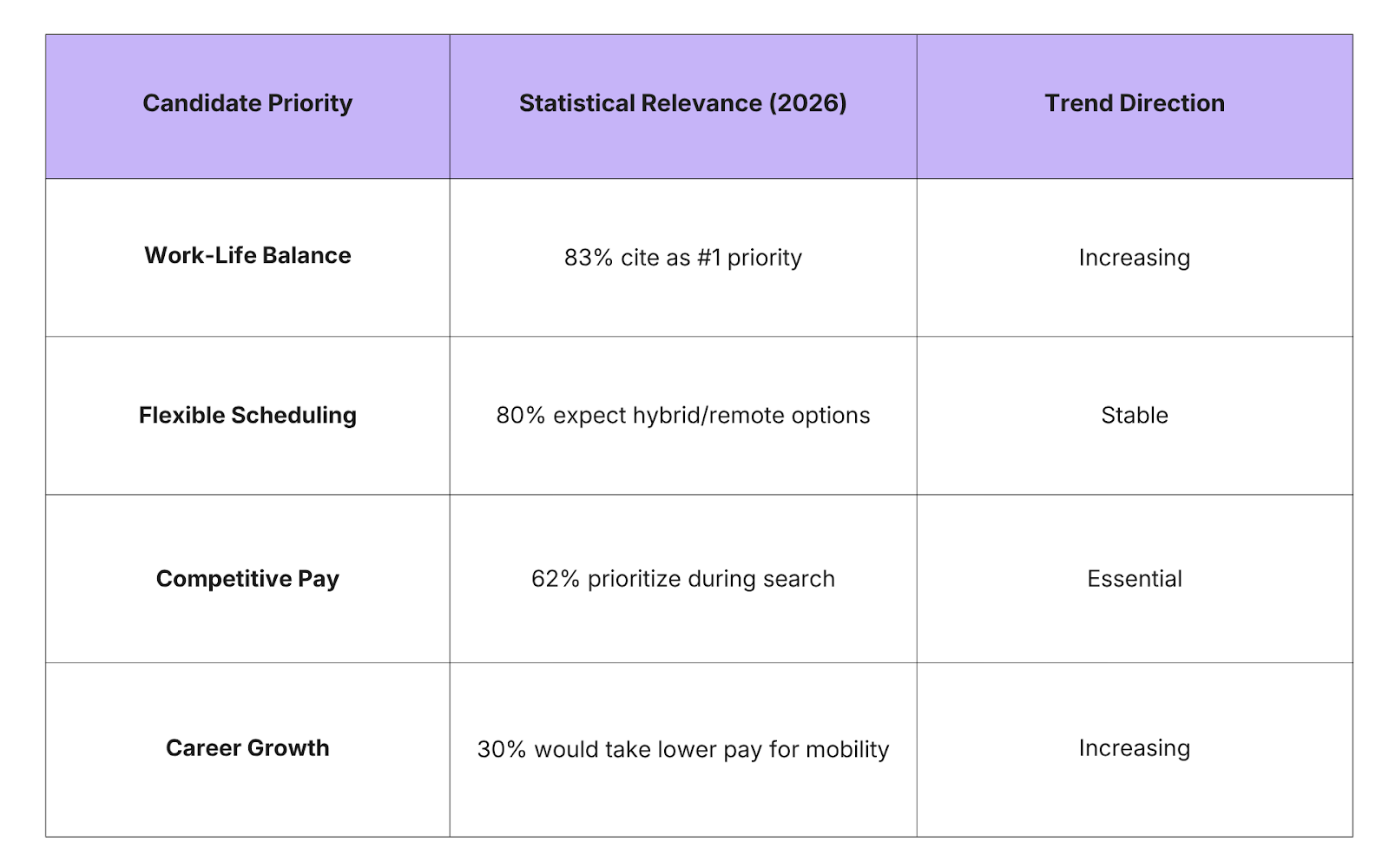
Companies that do not offer hybrid or remote work for suitable roles are less attractive to job seekers. In fact, 55% say hybrid work is their top choice.
Reducing application friction and improving responsiveness
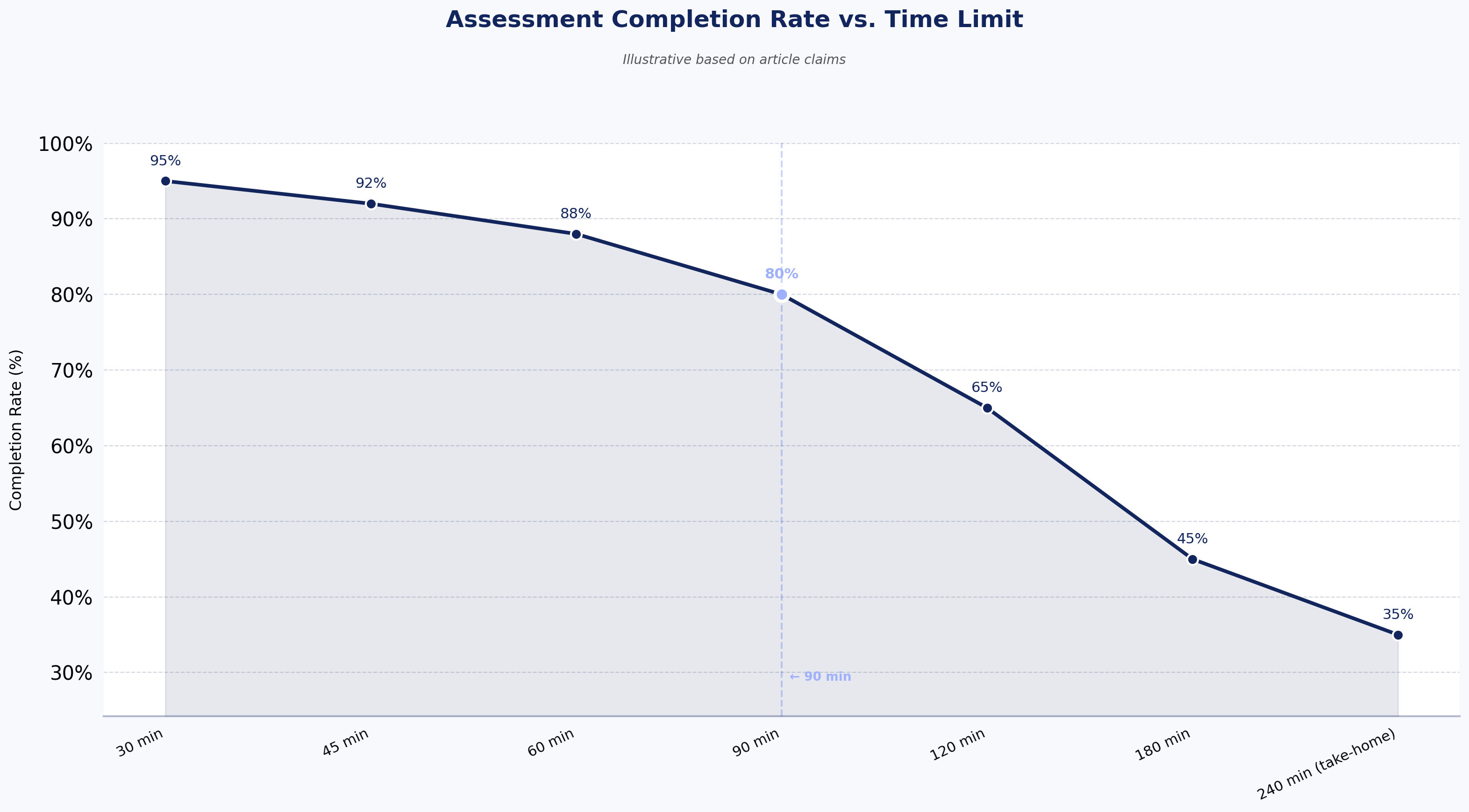
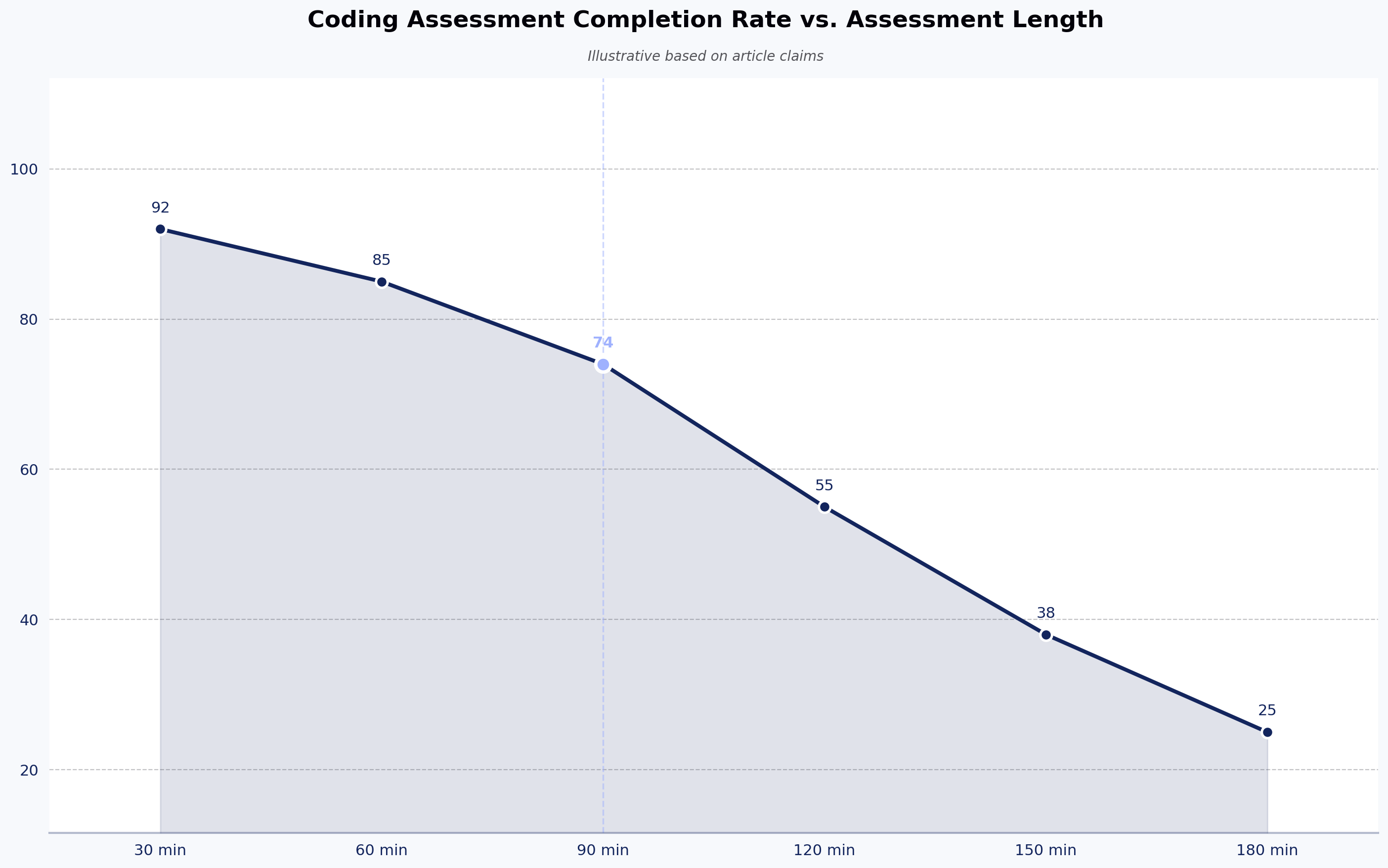
It still takes an average of 42 days to fill a job, which leads to lost productivity and higher costs per hire in the U.S. Top organizations are fixing this by making their hiring process simpler. In fact, 92% of candidates quit if the application is too complicated. Cutting application time to under 10 minutes greatly increases the number of people who finish and apply.
To overcome these common recruiting challenges, organizations are adopting several key strategies:
- Self-scheduling tools: Implementing automated interview scheduling respects the candidate’s time and reduces administrative friction.
- Pay transparency: Including accurate salary ranges and benefit details in job postings allows candidates to self-select, preventing wasted time for both parties and building initial trust.
- Prompt communication: Responding to applications and providing updates within 48 hours of key stages helps maintain engagement and reduces drop-off.
- Structured interviews: Using predetermined questions and consistent evaluation criteria ensures a fair process and reduces the risk of "gut-feeling" decisions that lead to mis-hires.
Managing the global and distributed workforce
With more remote and hybrid work, managing teams across time zones is now standard in 2026 hiring. Companies are adopting "remote-first" policies that focus on results and asynchronous communication instead of time spent at a desk.
Asynchronous workflows and nearshoring strategies
Effective management of distributed teams requires a clear "communication playbook" that defines when to use synchronous (real-time versus asynchronous communication. Top organizations aim for about 75% asynchronous and 25% real-time communication to help people focus and avoid too many meetings. This approach offers four to eight hours of daily overlap, simpler scheduling, and stronger cultural alignment while maintaining global flexibility.
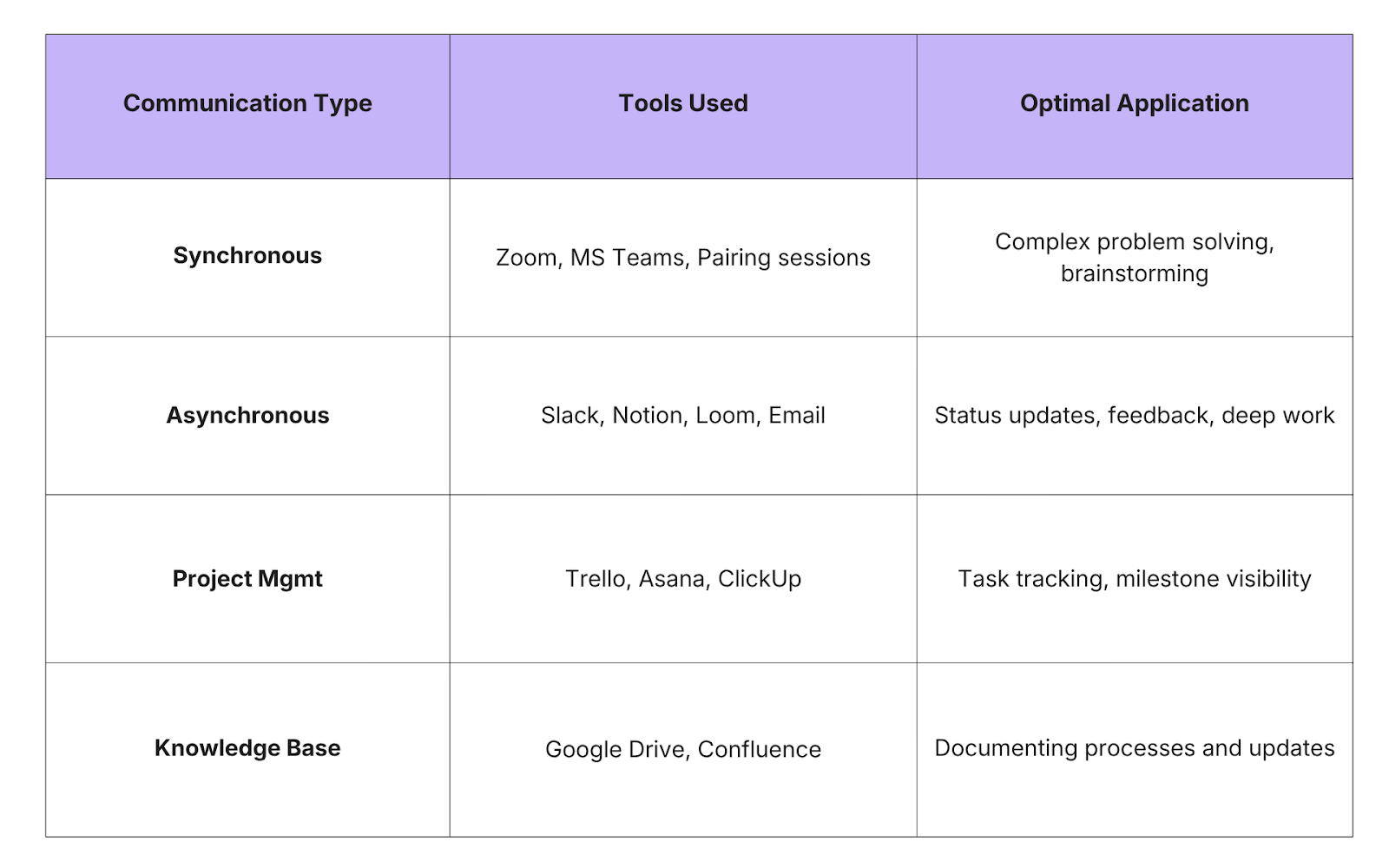
To keep a strong virtual culture, leaders need to actively build connections. They can do this by holding virtual town halls, setting up peer recognition programs, and having "no-meeting days" to support employee well-being and prevent burnout.
High-volume recruiting challenges and predictive planning
A huge increase in applications, partly because candidates use AI to automate job searches, has created a lot of "noise" for hiring teams. The number of applications per job has doubled since 2022, but the share of qualified candidates is still low.
To handle high-volume recruiting, companies are shifting from reacting to problems to using predictive strategies. Predictive analytics help leaders spot talent shortages and plan hiring months in advance, cutting down on last-minute, expensive hires. In 2026, workforce planning is about quickly adjusting skills and team sizes, giving an edge to firms that can adapt fast.
The cost of mis-hires and the value of total rewards
The financial impact of a bad hire can be three to four times the employee’s annual salary, esA bad hire can cost three to four times the employee’s yearly salary, especially for executives. To avoid this, companies are rethinking their "total rewards" approach. In 2026, candidates want more than salary, they seek financial wellness support, mental health benefits, and home-office budgets. Offering a competitive pay package that matches local living costs is key to attracting top international talent. Organizations that thrive in this environment are those that treat talent as a "renewable resource" rather than a fixed one. By blending "high-tech tools with high-touch leadership," firms can build the resilience necessary to adapt to technological shifts and demographic decline.
To overcome the top recruitment challenges of 2026, talent leaders should prioritize the following actions:
- Embrace the Human-AI Partnership: Deploy autonomous AI agents for operational tasks like sourcing and scheduling, while utilizing advanced platforms like HackerEarth to ensure the integrity of technical evaluations through AI-driven proctoring.
- Transition to Skills-First Models: Remove unnecessary degree requirements and focus on demonstrable competencies. Invest in talent intelligence to identify internal skill adjacencies and promote upskilling as a core retention strategy.
- Optimize the Candidate Experience: Reduce application friction by ensuring processes can be completed in under 10 minutes. Provide transparency in pay and flexibility from the outset to build trust and reduce candidate drop-off.
- Operationalize Inclusion: Move DEI from a moral imperative to a business mechanic. Conduct regular bias audits of AI tools and address the "broken rung" in management through data-driven development and mentorship programs.
- Build a Predictive Workforce Strategy: Shift from reactive vacancy filling to data-backed resource planning. Use predictive modeling to anticipate skill gaps and adopt flexible "portfolio" workforce structures to remain agile in a volatile market.
By aligning workforce data, engagement strategies, and role forecasting, organizations can move from observing trends to acting on them. When organizations align workforce data, engagement strategies, and role planning, they can act on trends rather than just watch them. The future of recruiting is not about picking people or technology it is about combining both to build a skilled, resilient workforce ready for the challenges ahead.