5 Best Practices for an Effective Hybrid Campus Recruitment Strategy
Hybrid campus recruitment — the practice of combining in-person campus visits with virtual sourcing, screening, and interviews — has become the default entry-level hiring model for most technology employers. If you're a recruiter or TA leader building out a hybrid campus hiring program this year, the operational question isn't whether to go hybrid, but how to structure the mix so you protect candidate quality without doubling your coordination overhead. This guide walks through five practices that address the trade-offs specific to hybrid campus hiring — not generic recruiting advice — along with limitations you should plan around.
What is hybrid campus recruitment?
Hybrid campus recruitment is a sourcing and hiring model that blends on-campus engagement (placement drives, employer branding events, final interviews) with virtual workflows (assessments, early-round interviews, offer rollout) to hire interns and entry-level talent. It differs from pure virtual campus hiring in retaining physical touchpoints, and from traditional campus hiring in decoupling assessment and interview stages from a single on-site day.
The four core stakeholders remain the same: employers, campus recruiters, university career development centers, and students. What changes is the tooling layer — you now need campus recruitment software that can handle assessments, virtual interviews, and candidate engagement across distributed cohorts.
Types of hybrid campus hiring
Three models dominate hybrid campus recruiting:
Blended approach
Online and offline stages are sequenced. Early rounds (assessments, first interviews) run virtually; final interviews and offer conversations happen on campus or at the office.
Composite approach
Virtual job fairs and in-person recruiting events run in parallel to widen reach. A company may host a physical drive at Tier-1 campuses while running a virtual fair for Tier-2 and Tier-3 institutions the same week.
Parallel-track approach
Students choose between attending the on-campus event or participating virtually, with both tracks running concurrently. (This is sometimes mislabeled "synchronous" — technically, it's a parallel-track model where both channels operate at the same time but serve different candidate segments.) This approach helps companies reach students who cannot travel to the host campus.
How to build an effective hybrid campus recruitment strategy
Transitioning from an offline-only model to a hybrid campus recruitment strategy requires rethinking sequencing, tooling, and campus relationships. The five practices below address the coordination and quality issues most teams hit in year one.
Strategy #1 — Align the hybrid campus recruitment plan with campus coordinators
Campus coordinators are the single point of failure in most hybrid programs. Confirm dates, format (virtual vs. on-campus), and the split of activities in writing before the recruiting cycle opens. In most hybrid setups, pre-placement talks, employer branding sessions, and final rounds happen in person, while screenings, assessments, and early interviews shift online.
Two operational specifics that matter:
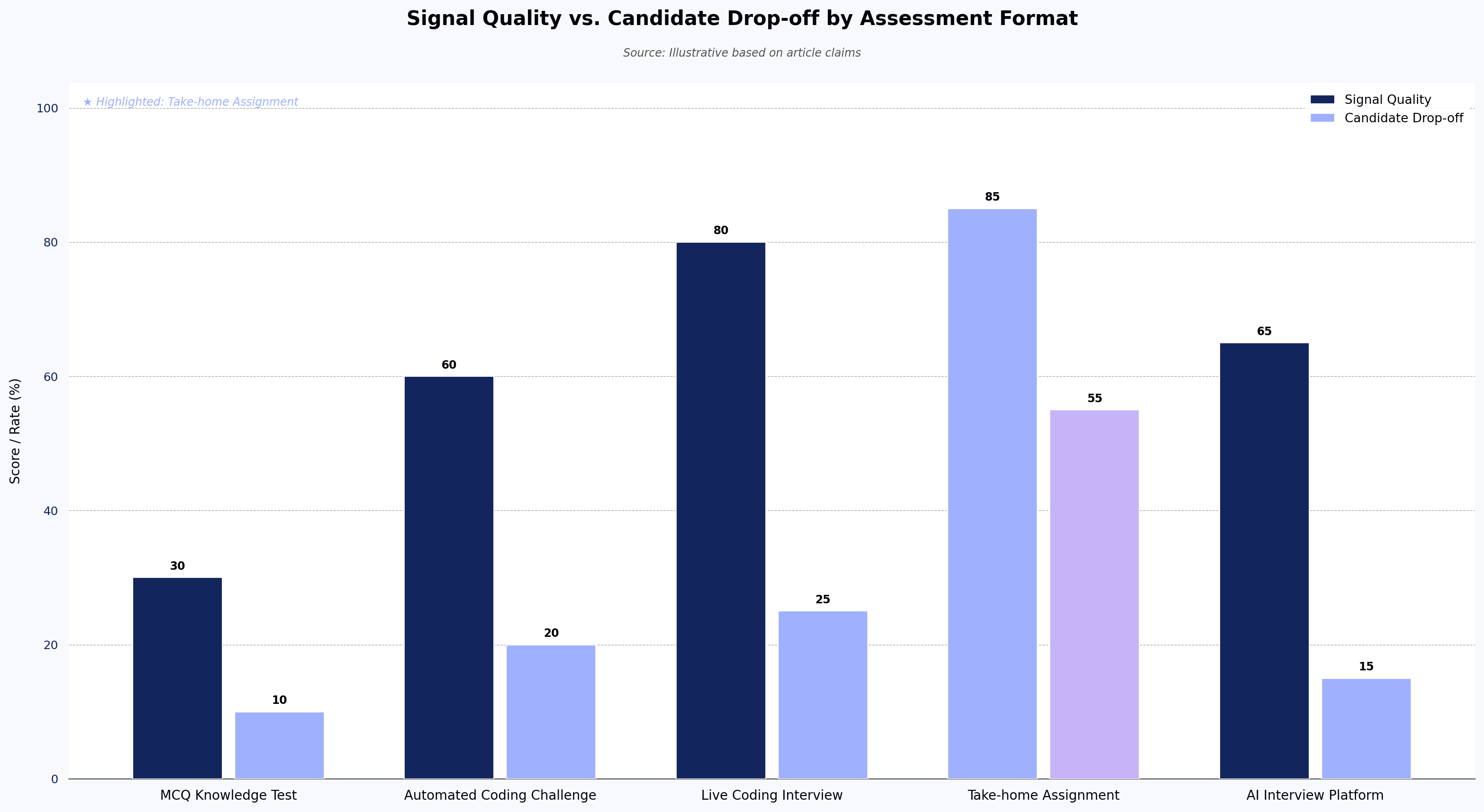
- Use a proctored online assessment tool to control for plagiarism during the shortlisting phase — this is the stage where hybrid programs most often lose signal quality compared to invigilated on-campus tests.
- Record short leadership videos that explain what junior hires actually work on in their first six months. Generic "we invest in young talent" messaging underperforms concrete role descriptions.
Strategy #2 — Standardize the hybrid campus recruiting process
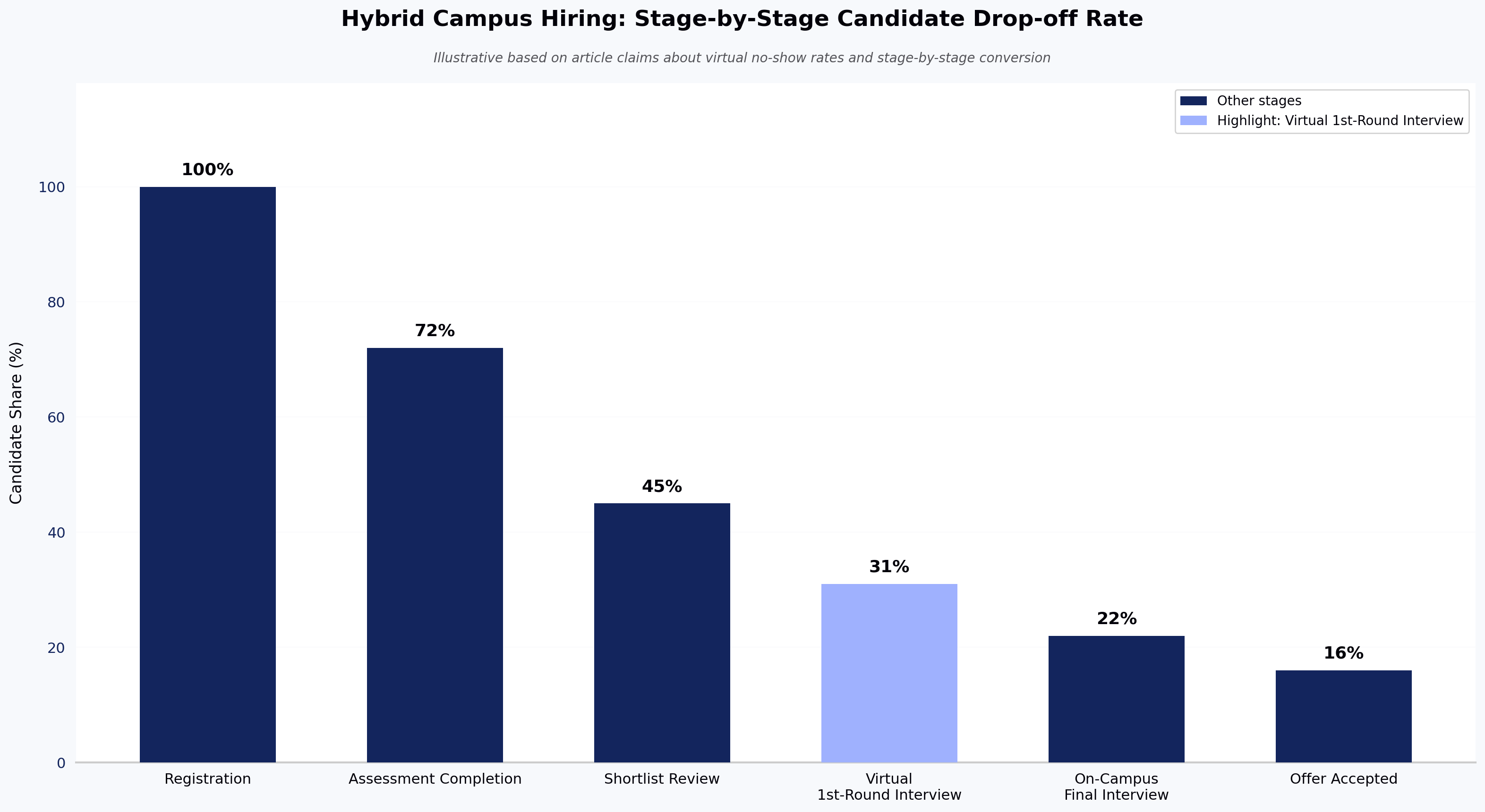
In a traditional offline drive, placement, assessment, interview, and final selection were often compressed into a single day. Hybrid campus hiring breaks that day into stages spread across one to three weeks, which changes how you handle candidate communication and drop-off.
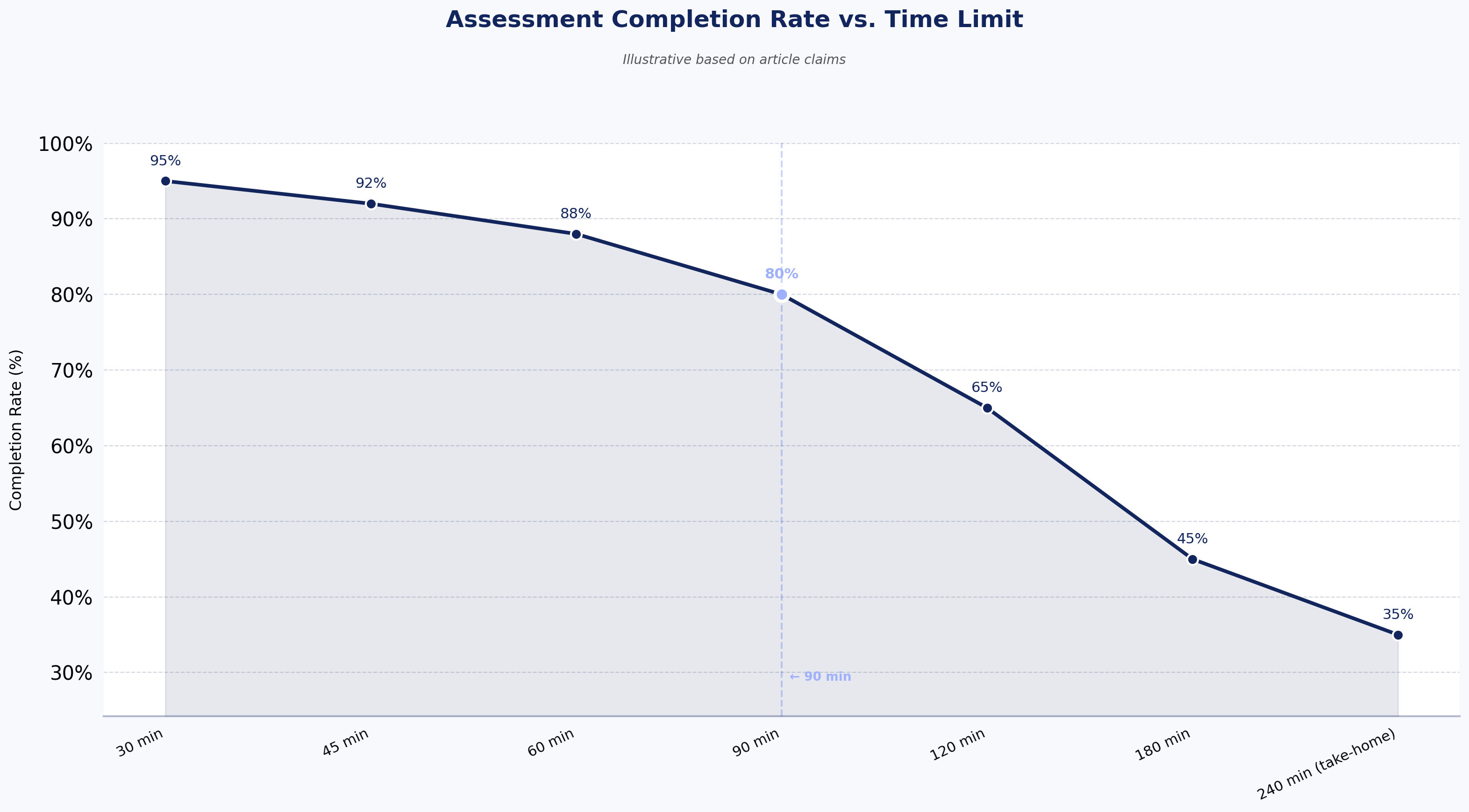
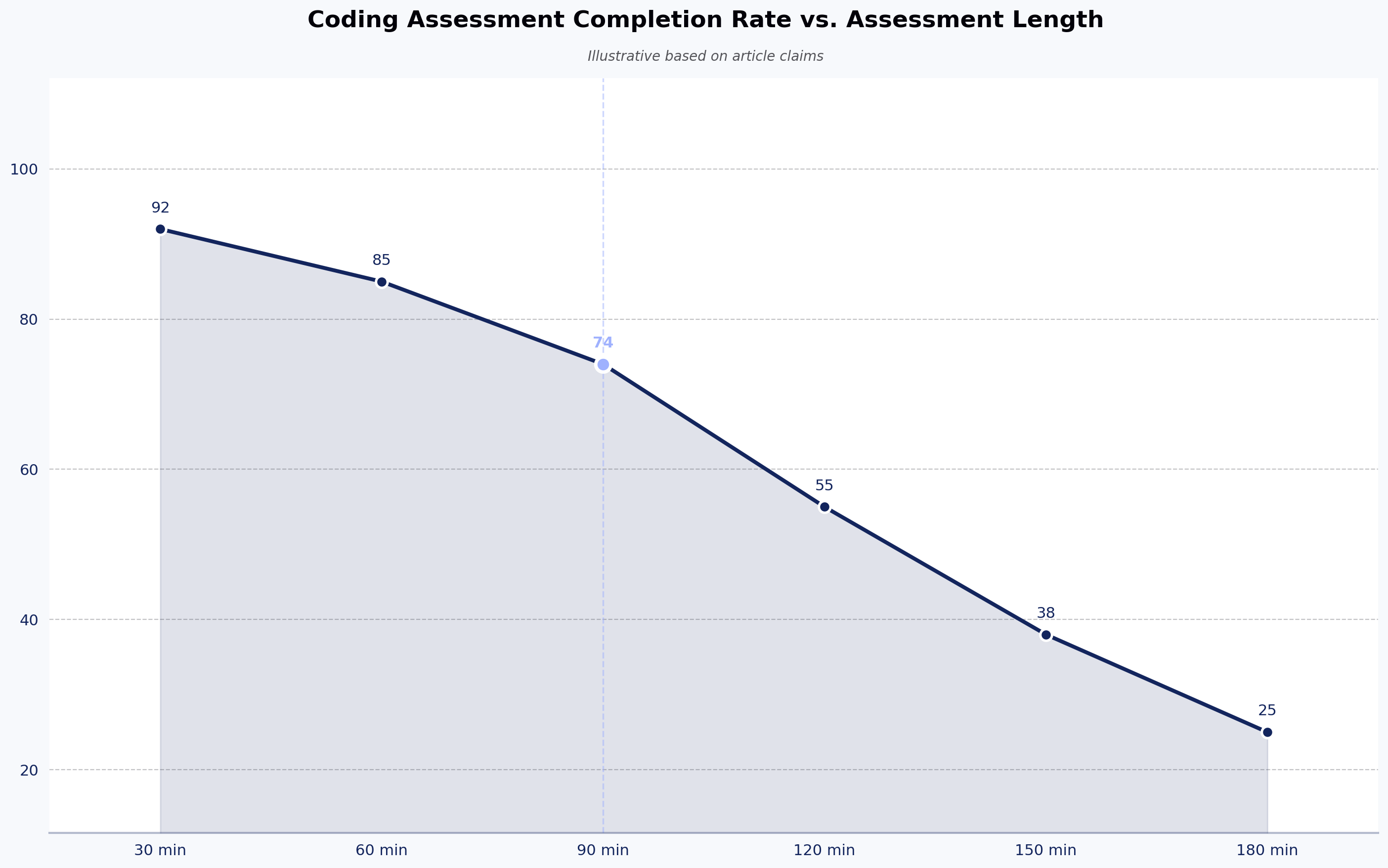
A typical hybrid campus hiring flow runs as follows: (1) JD and role brief shared with campus coordinator, (2) student registration and pre-screening form, (3) online assessment window (24–72 hours), (4) shortlist review, (5) virtual first-round interview, (6) on-campus or on-site final interview, (7) offer rollout. Each stage needs its own communication template and drop-off tracking.

Onboarding can then include in-person training sessions where new hires meet team leads and learn how each department operates.
Operational specifics for this stage:
- Build email templates for every stage transition; automated status updates reduce coordinator escalations.
- Use virtual meeting tools like Zoom or Google Meet for coordinator sync-ups and student interviews.
- Standardize the JD as a single PDF that coordinators can distribute without re-formatting.
Strategy #3 — Choose the right hybrid campus recruitment tools
Automation is what holds a hybrid campus recruitment strategy together across distributed stages. The tool decision that matters most is the assessment layer, because that's where volume is highest and signal quality is most fragile.
HackerEarth Assessments evaluate candidates across 1,000+ skills and 40+ programming languages, which covers the range of role types most campus programs hire for (SDE, data, QA, DevOps). For later-stage or final-round technical interviews, FaceCode supports interviewer-led live coding — note that FaceCode is designed for interviewer-driven sessions and is better suited to final rounds than to high-volume first-pass screening, where automated assessments handle the load more efficiently.
Beyond assessments, a working hybrid stack typically includes an email automation layer for candidate communication and a video conferencing platform (Zoom or Google Meet) for virtual interviews and coordinator syncs. For a deeper look at proctoring trade-offs in campus hiring, see our guide on the importance of online proctoring in university hiring.
Strategy #4 — Cross-promote your hybrid campus recruiting event
Informing students that a placement drive is happening isn't the same as getting them to show up prepared. Research on Gen Z media habits (see Pew Research Center surveys on teen and young-adult platform use) suggests this cohort spends significant time on Instagram, YouTube, and increasingly LinkedIn — so on-campus posters alone under-index for reach.
A workable cross-promotion mix:
- Post on LinkedIn, along with WhatsApp and Discord communities where students are already active.
- Have employees — especially recent campus hires — share the event on their own social channels; peer signal outperforms brand-account signal.
- Publish a short video where the leadership team explains what the role involves and what a first-year hire's career path looks like.
- Add scannable registration QR codes to campus posters and digital creatives so students can access job details and application forms directly.
Strategy #5 — Reinforce your employer brand
Students weigh employer signals more carefully in a hybrid format because they get less in-person exposure. Research suggests Gen Z candidates increasingly weight factors beyond compensation, including alignment with company values, mental health and work-life balance policies, and clarity on career development paths (see LinkedIn's Global Talent Trends reports for data on early-career candidate priorities).
Practical ways to reinforce brand signal during hybrid campus hiring:
- Have the leadership team run seminars or workshops — physical or virtual — that go beyond a company overview. A LinkedIn Live on how the engineering team makes technical decisions will out-perform a generic "life at company" session.
- Publish employee interviews on social channels, focused on the specific work early-career hires do, not just culture.
- Point candidates to third-party signal, such as your employer brand presence on review sites like Glassdoor, where recommendation and CEO-approval scores act as external validation. (Glassdoor scores update dynamically; check the profile directly for current figures.)

For a deeper walkthrough, see how to create an employer brand that sticks.
Limitations and trade-offs of hybrid campus recruiting
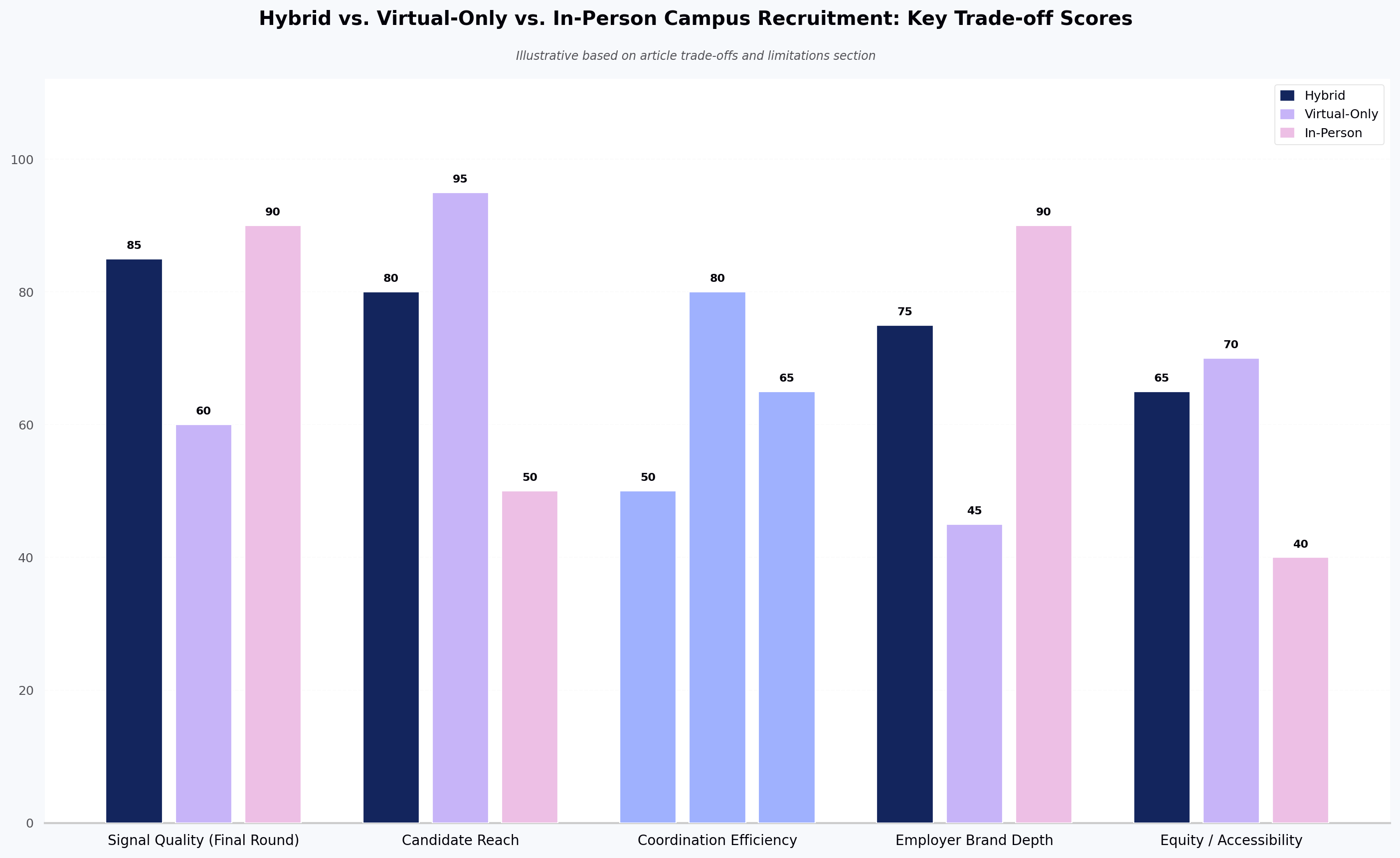
Hybrid campus hiring isn't strictly better than pure in-person or pure virtual — it introduces its own set of trade-offs that recruiters should plan around:
- Digital-divide effects. Students from Tier-2 and Tier-3 institutions may have less reliable bandwidth, quieter interview spaces, or less familiarity with online assessment platforms. This can distort signal quality against candidates who are otherwise strong.
- Lower relationship depth. In-person drives build stronger candidate-to-recruiter rapport in a single day. Hybrid programs, spread across weeks, tend to produce weaker candidate relationships unless recruiters actively invest in touchpoints between stages.
- Higher virtual no-show rates. Virtual rounds typically see higher drop-off than on-campus rounds, particularly in early-stage interviews where candidates face fewer social costs for missing a slot.
- Coordination overhead. Running two channels (virtual and on-campus) doubles the coordinator communication load compared to a single-format drive.
- Assessment integrity risk. Remote assessments require proctoring to hold signal quality, adding cost and candidate friction that on-campus invigilated tests don't have.
The reframing observation worth flagging: hybrid isn't a compromise between virtual and in-person — it's a different model with a different failure mode, and it works best when you deliberately assign each stage to the channel where it produces the best signal, rather than defaulting to virtual for cost reasons.
FAQ
What is hybrid campus recruiting? Hybrid campus recruiting is a hiring model that combines on-campus engagement (final interviews, employer branding, offer rollout) with virtual stages (assessments, early interviews) to hire interns and entry-level candidates.
How do you run a virtual campus hiring event? Confirm dates and format with campus coordinators, send registration links and JDs in advance, run a timed online assessment window, shortlist based on assessment scores, conduct virtual first-round interviews via Zoom or Google Meet, and reserve final rounds for on-campus or on-site meetings.
How is hybrid campus recruitment different from traditional campus recruitment? Traditional campus recruitment typically compressed sourcing, assessment, interview, and selection into a single on-campus day. Hybrid campus recruitment spreads those stages across one to three weeks and uses virtual tools for the early stages, which changes both the candidate experience and the coordination workload.
What tools do you need for hybrid campus hiring? At minimum: a proctored online assessment platform, a video interview tool for live technical or behavioral rounds, a video conferencing platform for coordinator syncs, and an email automation layer for stage-by-stage candidate communication.
Is hybrid campus recruitment better than virtual-only campus recruitment? Not universally. Hybrid retains in-person signal for final rounds and employer branding but adds coordination overhead. Virtual-only is faster and cheaper to scale but produces weaker candidate relationships and can under-index for candidates from less-connected institutions.
How do you measure success in a hybrid campus hiring program? Common metrics include stage-by-stage conversion (registration → assessment → interview → offer), offer-acceptance rate by channel (virtual vs. on-campus), cost-per-hire compared to pure in-person, and 90-day retention of hires from each channel.
Ready to run a stronger hybrid campus hiring cycle?
Schedule a demo of HackerEarth Assessments to see how proctored, skill-based testing across 1,000+ skills and 40+ languages fits into a hybrid campus recruitment workflow.