The recruitment landscape of 2026 has transitioned into a high-friction, high-expectation environment where the candidate experience is no longer a secondary human resources metric but a primary driver of competitive advantage and operational resilience. The collective perception of an organization by its prospective employees spanning from the initial job discovery to the final onboarding stage has profound implications for employer brand equity, time-to-hire, and long-term employee retention. Current market dynamics indicate that the average time-to-hire has escalated to approximately 44 days, a notable increase driven by additional interview rounds, complex assessments, and more deliberate decision cycles. This elongation of the hiring process occurs simultaneously with a surge in application volume; job seekers now submit between 32 and 200 applications before securing an offer, yet the success rate for cold online applications remains strikingly low, ranging from 0.1% to 2%.
The consequence of this intensified environment is a growing sentiment of candidate resentment. Statistics reveal that only 26% of North American job seekers report having a "great" candidate experience, while 13% characterize their experience as "terrible" to the point of abandoning brand affinity and future application intent. For mid-size to enterprise technology and finance firms, the cost of a poor candidate experience is not merely an HR concern but a business risk. A negative hiring journey can deter 50% of applicants from engaging with a brand after reading negative reviews, and 72% of those who have a bad experience will share their frustrations with their professional and personal networks. Conversely, a positive experience makes a candidate 38% more likely to accept a job offer, illustrating the direct link between recruitment quality and offer acceptance rates.
What is candidate experience?
Candidate experience encompasses the totality of a job seeker's feelings, behaviors, and perceptions throughout the entire recruitment lifecycle. It is a multi-dimensional construct that begins the moment a potential applicant researches an employer’s reputation and continues through the application, screening, interviewing, and eventual onboarding phases. In the 2026 technological landscape, this experience is heavily mediated by digital touchpoints. With 86% of active job seekers initiating their search via mobile devices and 91% visiting online resources to research an employer’s brand before applying, the digital "front door" of an organization is the first and often most critical component of the experience.
The definition of a quality candidate experience has narrowed significantly in recent years. Speed, transparency, and predictable momentum are now more valued than additional social touchpoints. Candidates prioritize a process that respects their time, provides clear communication, and offers a fair evaluation of their skills. This is particularly relevant in the technology sector, where 60% of candidates invest at least one hour in research and preparation before even starting an online application. The experience is also defined by the quality of interactions; 46% of candidates believe their time is disrespected during interviews, often due to a lack of preparation by the hiring team or redundant questioning.
Why is candidate experience important?
The strategic importance of candidate experience is rooted in its ability to influence both immediate hiring goals and long-term organizational health. Organizations that deliver a superior experience are three times more likely to improve employee retention and twice as likely to enhance their overall net promoter score (NPS). The ripple effects of a poor experience extend beyond a single vacancy; 52% of candidates have declined job offers specifically due to negative experiences during the recruitment process, and 50% of those who have a bad experience may refuse to purchase products or services from that company in the future.
In competitive sectors like technology and finance, the ability to attract top-tier talent is directly correlated with employer brand reputation. Glassdoor research suggests that an effective onboarding process in the final stage of the candidate experience can increase employee retention by 82%. Furthermore, a positive experience creates brand advocates; 8 in 10 candidates will share a positive experience with their professional network, and 50% will post a positive mention on sites like LinkedIn or Glassdoor. This organic promotion reduces reliance on expensive agency fees, which 19% of candidates actively avoid.
15 ways to improve candidate experience in recruitment
Improving the candidate experience requires a comprehensive overhaul of traditional recruitment workflows, shifting toward a model that prioritizes the applicant's journey as much as the hiring manager's needs. The following 15 strategies represent a synthesis of data-driven best practices for 2026.
High-fidelity job descriptions and pay transparency
The first touchpoint of any recruitment process is the job description. In 2026, candidates have become increasingly selective, with 43% reporting that job advertisements do not contain enough information about the role. A modern job description must move beyond a simple list of requirements to provide a realistic "typical week" preview and an overview of the organizational culture. Pay transparency has emerged as a non-negotiable filter; 74% of candidates want pay transparency, and four in ten state they would lose interest in a role that does not list a salary range. This transparency is not just a preference but a growing regulatory requirement in several jurisdictions, making it a critical compliance and branding factor.
Mobile-agnostic and simplified application processes
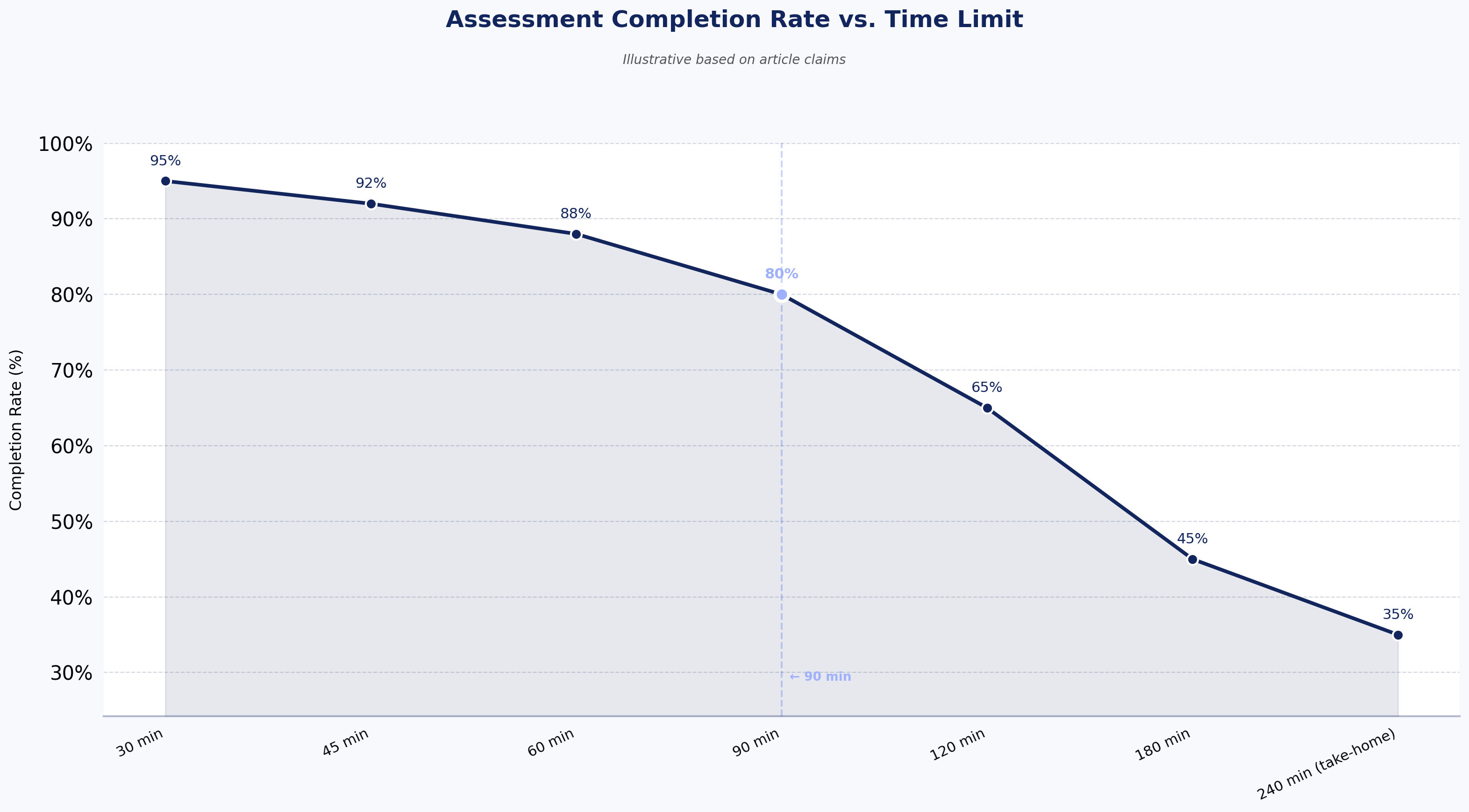
The application process is where the highest volume of candidate drop-off occurs. Approximately 60% of job seekers have abandoned an application due to its length and complexity, yet 49% of employers continue to provide processes that are perceived as too long. Organizations must transition to mobile-optimized, device-agnostic application systems, as 86% of active seekers start their search on smartphones. The most effective applications are those that respect the "one-click" expectation, avoiding redundant data entry where candidates are asked for the same information already present in their CV.
Predictable and consistent communication cadences
A lack of communication is the single most cited reason for candidate dissatisfaction, with 65% of applicants reporting inconsistent updates. The "ghosting" epidemic has reached critical levels; 61% of job seekers report being ghosted after an interview. To mitigate this, organizations should establish a roadmap of the hiring stages, sharing details about who is involved, the number of rounds, and the estimated timeline. Providing a designated contact person can alleviate confusion and ensure that candidates feel valued rather than processed.
Skills-first hiring and expanded talent pools
Adopting a skills-first methodology expands eligible talent pools by 6.1 times globally. This approach moves away from traditional credentialing (such as specific degrees) and focuses on the candidate's actual ability to perform job-relevant tasks. In 2026, this is particularly relevant in finance and tech, where automation is commoditizing routine work, making the "human-in-the-loop" skills like ethical reasoning and strategic storytelling more valuable.
Developer-friendly technical assessments with HackerEarth
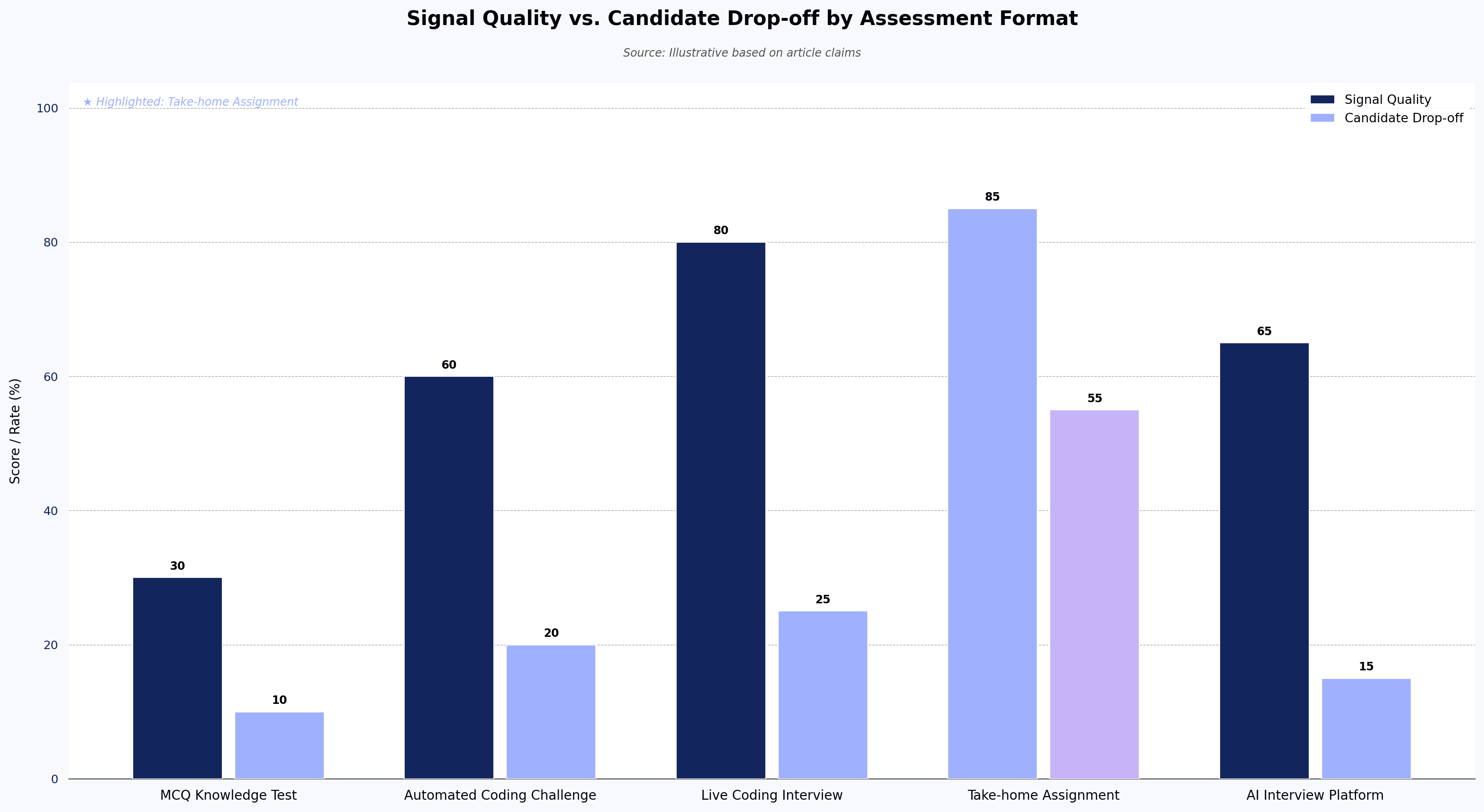
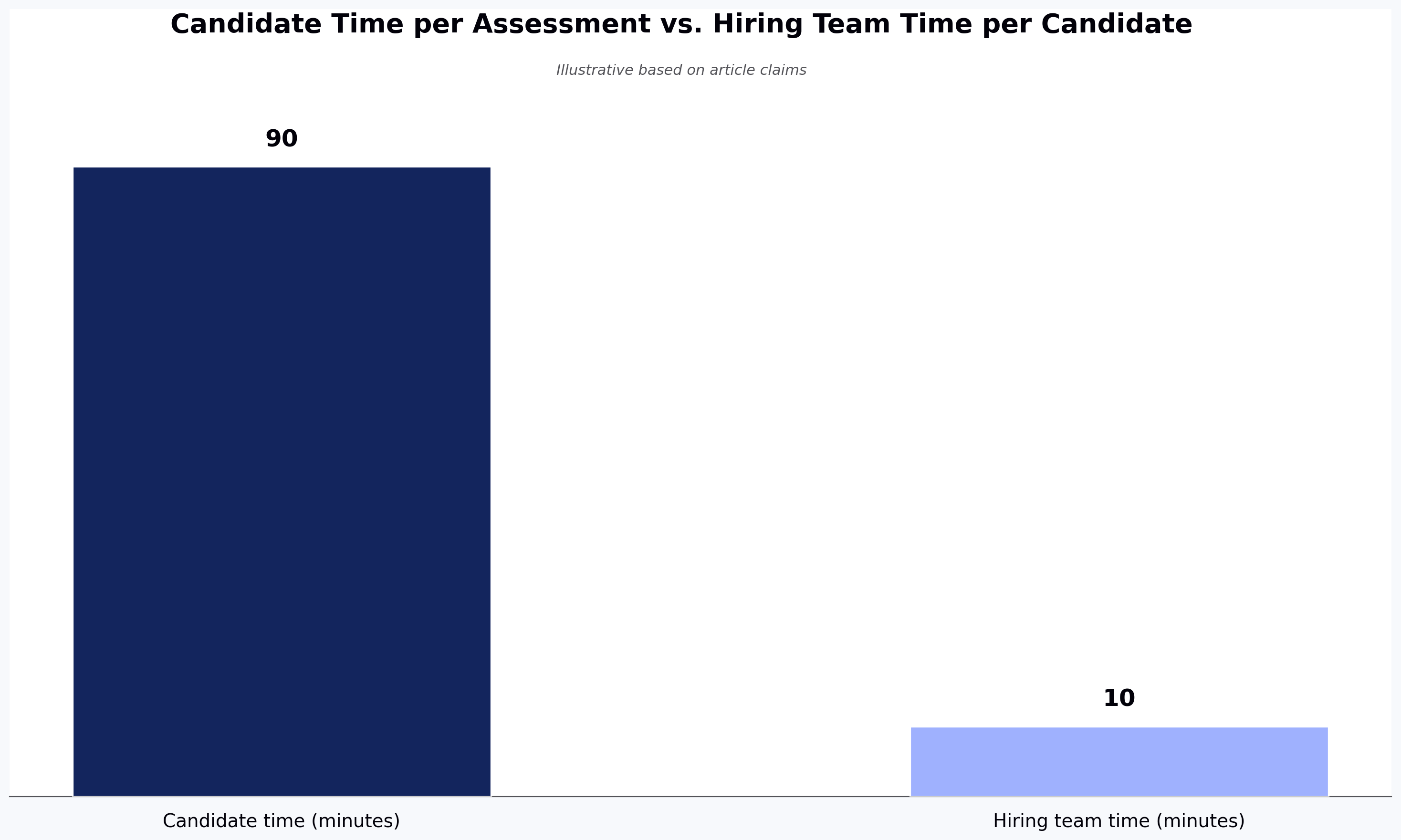
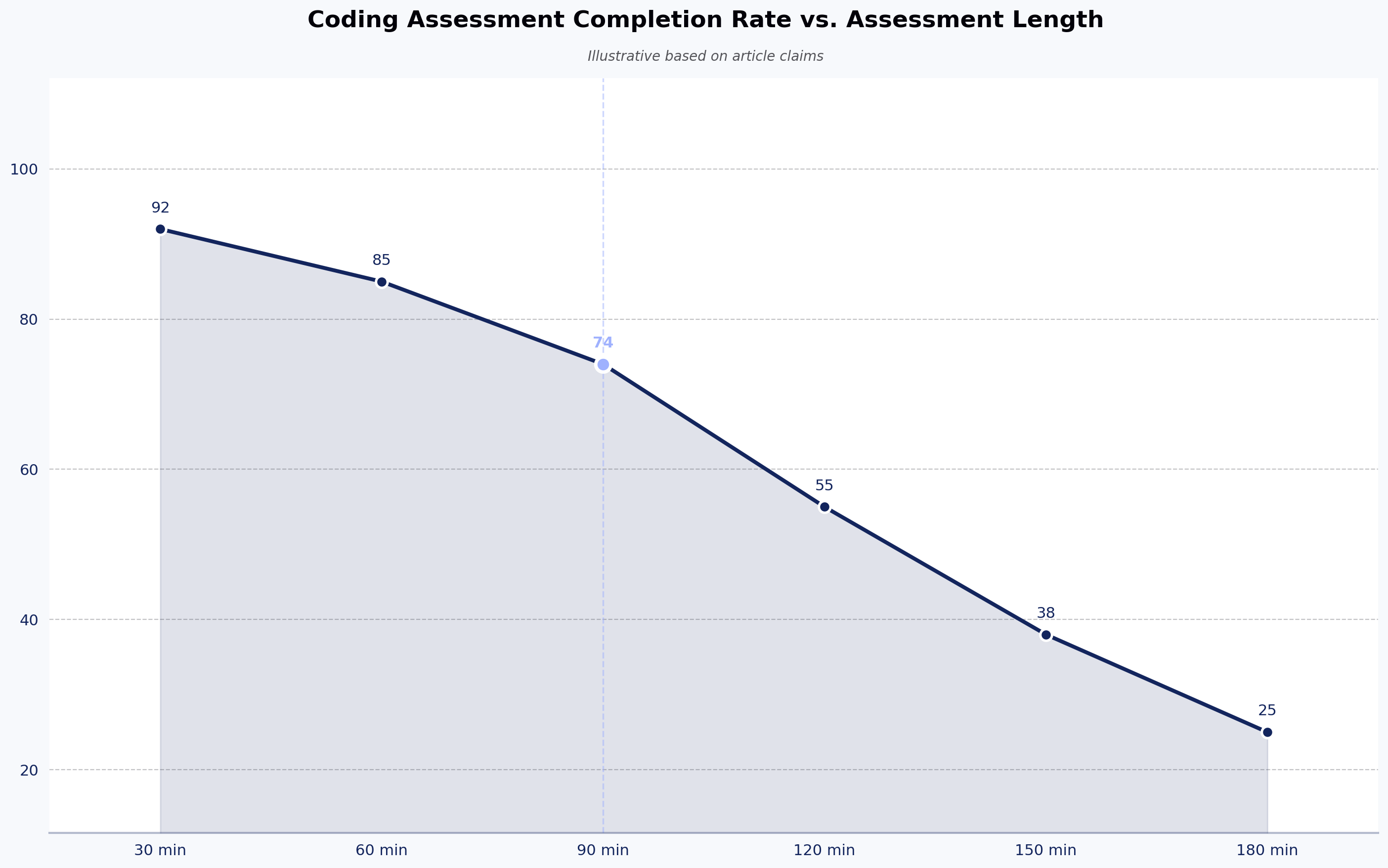
For technical roles, the assessment phase is often a point of friction. Traditional coding tests can feel abstract and disconnected from real-world work. HackerEarth's platform addresses this by offering a developer-friendly environment that supports 40+ programming languages and includes features like autocomplete and pre-populated snippets. By using project-type questions that simulate on-the-job problems, employers can evaluate logic and efficiency rather than just syntax. This realism reduces candidate anxiety and provides hiring managers with a more accurate picture of performance, showing a 95% correlation with on-job success.
Human-AI collaboration and autonomous agents
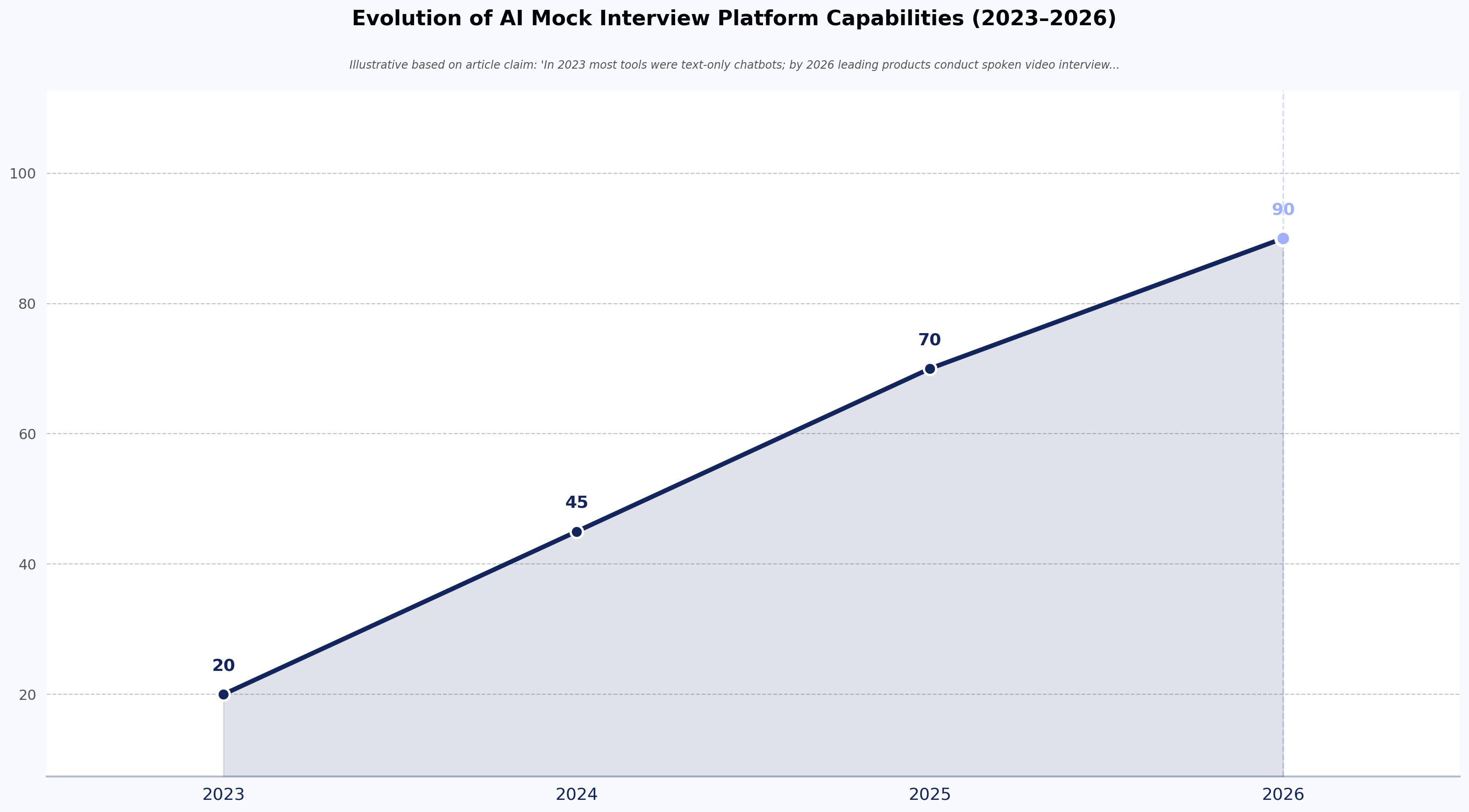
In 2026, half of talent leaders plan to integrate autonomous AI agents into their teams. These agents, such as the HackerEarth AI Interviewer, can conduct structured, role-specific conversations without the bottlenecks associated with human scheduling.These tools use video avatars to create a natural experience, putting candidates at ease while maintaining consistent evaluation standards.This balance of automation and human oversight addresses the 26% "AI trust ceiling" by ensuring that decisions are auditable and transparent.
Structured interviewing and bias mitigation
Unstructured interviews are significantly less predictive of job performance than structured ones. Companies that use structured interviews where every candidate is asked the same set of questions and evaluated against a consistent rubric earn higher candidate experience ratings and a stronger perception of fairness. Tools like HackerEarth's AI agents further this by masking personally identifiable information (PII) such as gender or accent, ensuring that evaluation is based purely on merit.
Speed-to-schedule and velocity benchmarks
Velocity is a key differentiator in the candidate experience. Candidates who experience a positive hiring journey often hear back within three to five days, whereas the average candidate may wait months. Employers with exceptional experiences aim to schedule interviews within two to six days of the application. Compressing the hiring cycle from the average 44 days to under 10 days not only improves the experience but also significantly reduces the risk of top talent being poached by competitors.
Candidate preparation and coaching
Empowering candidates to perform their best is a hallmark of a mature recruitment process. Providing sample questions, practice tests, or a summary of what to expect during an assessment can dramatically reduce candidate stress. HackerEarth’s AI Practice Agent serves as a "candidate coach," allowing developers to practice in real interview scenarios and receive instant, actionable feedback.This preparation creates a larger pool of "interview-ready" candidates and improves overall hiring success rates.
Collaborative pair programming and FaceCode
The technical interview should mirror the actual work environment. HackerEarth’s FaceCode platform enables live, collaborative coding sessions with HD video and shared editing. This allows interviewers to assess not just the final code but the candidate's problem-solving methodology and communication style in real-time. This interactive approach is preferred by 82% of candidates who favor tech-enabled interview processes.
Meaningful feedback for rejected candidates
The candidate experience does not end with a rejection. Providing detailed, constructive feedback to unsuccessful applicants can leave a lasting positive impression; 70% of rejected candidates say this would lead them to view the employer more favorably. This practice builds long-term connections and ensures that "silver medalist" candidates remain interested in future opportunities.
Respecting the "Last 5 Percent" in human evaluation
As AI automates the "grunt work" of data entry and initial screening, the human interviewer's role shifts to evaluating the "Last 5 Percent" , the intuition, cultural integration, and ethical reasoning that machines cannot replicate. Focusing on these high-level human attributes during the final interview rounds respects the candidate's expertise and ensures a more holistic match.
Seamless virtual and physical logistical support
Whether an interview is virtual or in-person, logistical friction must be minimized. For virtual sessions, this means using stable, user-friendly platforms and providing clear instructions. For in-person visits, providing parking information, directions, and a warm welcome is essential. These details signal to the candidate that the organization values their time and well-being.
Competitive offer delivery and flexibility
Candidates in 2026 are increasingly selective, often declining offers that lack competitive pay or flexibility. Offer trends reflect a workforce that prioritizes value alignment and career growth. Speed in delivering the offer is critical; a delay at this final stage can derail an otherwise perfect experience.
Strategic onboarding and mentorship
A positive onboarding process is the final pillar of a great candidate experience. Assigning a mentor or "buddy" during the first few weeks helps improve employee retention by making the transition from "applicant" to "team member" smoother. Good onboarding communication makes hires 137% more willing to deepen their relationship with the company.
How to measure candidate experience
Organizations cannot improve what they do not measure. In 2026, advanced recruitment teams prioritize candidate-centric analytics to fine-tune their hiring funnels. Only 11% of organizations currently track candidate satisfaction, presenting a significant opportunity for competitive differentiation. Key metrics to track include:
The application completion rate is a primary indicator of friction; a low rate typically signals that the process is too long or not mobile-friendly. Net Promoter Score (NPS) for candidates, collected via post-application or post-interview surveys, provides a quantitative measure of brand sentiment. Additionally, tracking “ghosting” rates at various stages can highlight where communication is breaking down.
Hiring leaders also monitor “quality of hire” and “time-to-hire” benchmarks. Companies with exceptional candidate experiences often disposition candidates within three to five days, whereas laggards take weeks or even months. Integration with ATS (Applicant Tracking Systems) and CRM (Candidate Relationship Management) platforms allows recruiters to view these metrics in real time and make data-driven adjustments to their sourcing and screening strategies.
Improve your candidate experience with HackerEarth
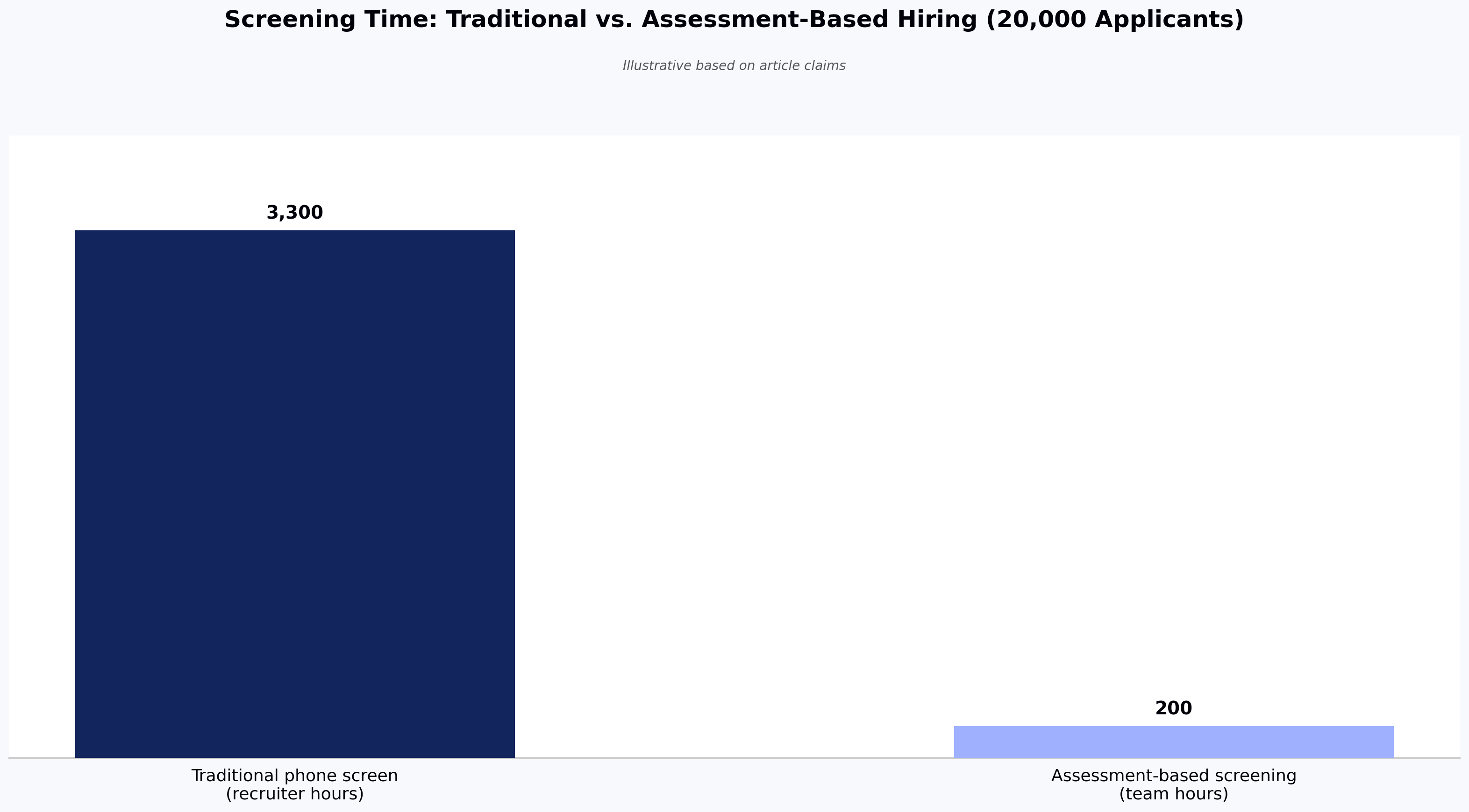
HackerEarth provides an enterprise-grade ecosystem designed to address the most common pain points in the technical recruitment journey. By automating high-volume, repetitive aspects of screening while maintaining a humanized experience, HackerEarth helps organizations reduce their time-to-hire by up to 75%. The platform’s commitment to objectivity, fairness, and developer-friendly design ensures that every candidate—whether hired or not—leaves with a positive impression of the employer brand.
The HackerEarth suite includes the AI Interviewer, which delivers bias-free, structured evaluations, and the FaceCode platform for collaborative live interviews. These tools are supported by a library of over 40,000 questions and industry-leading proctoring technology to ensure integrity and accuracy. For organizations looking to compete for top talent in the high-stakes landscape of 2026, HackerEarth offers a scalable, efficient, and candidate-centric solution that transforms hiring from a point of friction into a strategic advantage.
The analysis of the 2026 hiring market underscores that candidate experience is the ultimate differentiator. As job seekers face intensified competition and evolving expectations, employers that prioritize speed, transparency, and fairness will be best positioned to attract, engage, and retain the specialized talent required for future growth. The convergence of AI-driven efficiency and human-centered empathy represents the next era of talent acquisition excellence.