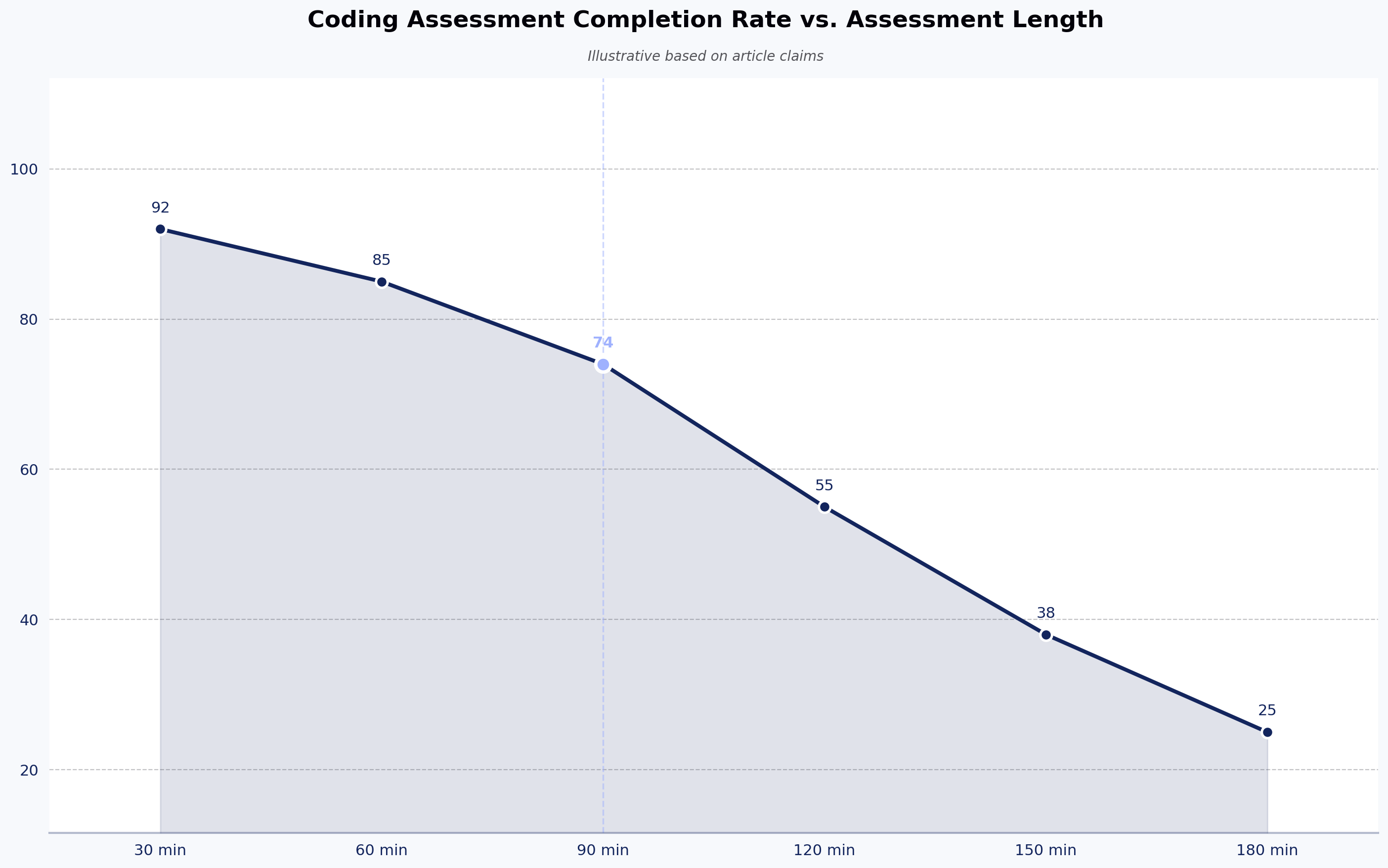
7 Best Recruitment Automation Tools in 2026
Recruitment automation tools — software that handles repetitive hiring tasks like sourcing, resume screening, assessments, and interview scheduling — let hiring teams manage higher applicant volumes without expanding headcount. If you're a recruiter or talent acquisition lead trying to decide where automation actually pays back versus where it adds risk, this guide breaks down the seven platforms worth evaluating in 2026, ranked on automation depth, fairness controls, integration coverage, and total cost.
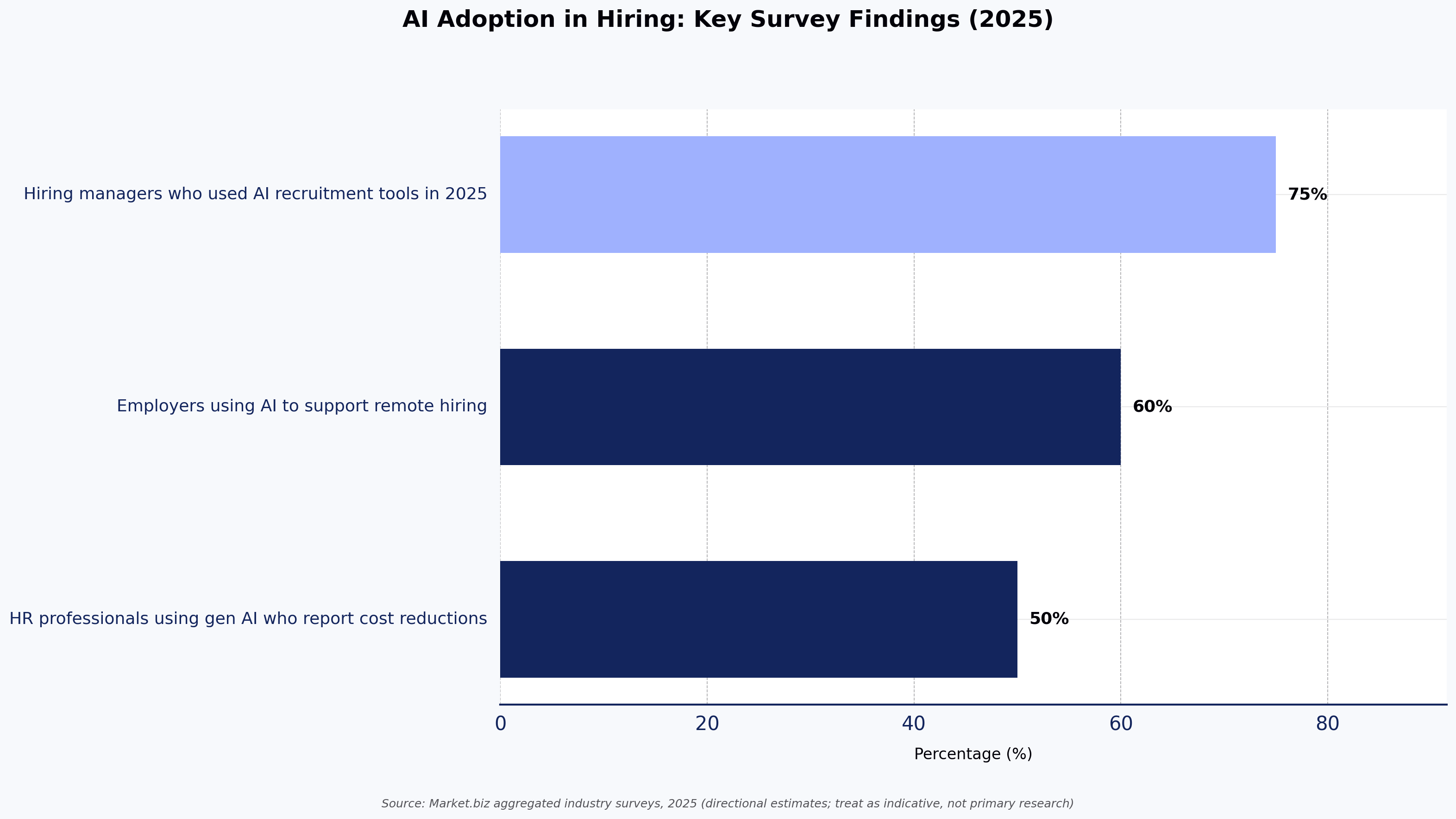
Adoption of AI in hiring has moved from experimental to mainstream. Industry surveys aggregated by Market.biz — a market-research aggregator of secondary sources rather than a primary study — suggest a large majority of hiring managers used AI recruitment tools at some point in 2025, that roughly half of HR professionals using generative AI report cost reductions, and that around six in ten employers now use AI to support remote hiring. Because these figures come from an aggregator of unknown methodology, treat them as directional. For primary-source context, LinkedIn's Global Talent Trends and SHRM's talent acquisition research report a consistent pattern: automation is no longer a competitive edge — it is a baseline expectation.
Disclosure: HackerEarth, the publisher of this article, is included in this list. We have aimed to present each tool's strengths and limitations on the same terms — the HackerEarth entry is longer because it is the only tool here whose product team we can speak to directly about feature scope. Pricing and feature data for third-party tools were collected from public sources and may not reflect current vendor offers; verify directly with each vendor before purchase. G2 ratings were last verified in November 2025 and should be independently confirmed at the time of reading.
What recruitment automation tools cover (and what they don't)
Most recruiters already know the basics — an Applicant Tracking System (ATS) stores candidate records, manages job postings, and tracks pipeline stages. Recruitment automation tools extend further than the ATS: they act on candidate data, not just store it. They source candidates from external platforms, screen resumes against role criteria, run skills assessments, schedule interviews without recruiter involvement, and send templated communications throughout the funnel.
The capabilities worth scrutinizing during evaluation are the AI-driven ones, because they vary the most between vendors:
- Smart candidate matching and contextual screening improve shortlist quality by using more data points and role-fit signals.
- Predictive analytics for candidate quality is a capability some vendors market — claims here vary widely, and most reputable platforms (including HackerEarth's SkillsGraph and VibeCode Arena) explicitly measure current performance rather than predict future employee outcomes. Treat predictive-fit claims with skepticism unless the vendor publishes validation studies.
- Bias detection and explainability support fairer hiring by flagging inconsistencies and providing reasoning behind AI-driven suggestions. AI tools reduce some sources of variability (such as interviewer mood or fatigue) but do not eliminate bias entirely.
- Chatbots and conversational engagement handle FAQs, send updates, and create a more interactive candidate experience.
For deeper background on how assessments fit into hiring accuracy, see HackerEarth's guide on how talent assessment tests improve hiring accuracy and reduce employee turnover.
How we selected the recruitment automation tools
We evaluated the leading recruitment automation tools based on automation depth, usability, and measurable hiring impact. Our assessment covered six criteria:
- Feature depth tied to recruiter workflows (screening, scheduling, communication)
- Integration coverage across major ATS and HRIS platforms
- Genuine innovation in AI capability rather than wrapper-level features
- Vendor support quality based on user reviews
- Architecture that handles hiring-volume growth from a few dozen to several thousand candidates per role without performance degradation
- Transparent and predictable pricing
We prioritized platforms that show measurable improvements in sourcing, screening, scheduling, and engagement while remaining usable for recruiting teams with limited technical support. Outdated or poorly integrated tools were excluded.
A note on independent sources: for broader industry context, the SHRM Talent Acquisition resources and Gartner's HR technology research offer non-vendor perspectives that are worth reading alongside vendor materials.
Best recruitment automation tools: at a glance
Here's a comparison of seven recruitment automation tools worth reviewing for your hiring stack. The table order matches the order of the detailed write-ups below.
| Tool | Best For | Key Features | Pricing Model | Pros | Cons | G2 Rating (Nov 2025) |
|---|---|---|---|---|---|---|
| HackerEarth | Tech hiring teams covering 1,000+ skills, including non-technical roles via custom content | Coding assessments, OnScreen (AI Interview Agent), ATS integrations, candidate sourcing through Hiring Challenges | Monthly tiers + enterprise | Strong technical assessment library; coverage extends beyond tech via custom content creation | Premium positioning; no stripped-down free tier | 4.5 |
| Codility | Advanced coding assessments and developer screening | Real-time coding tests, anti-cheating, role-specific templates | Annual subscription | Depth in coding tests, respected by engineering teams | Not focused on the full recruiter workflow | 4.6 |
| Glider AI | Talent assessment across roles | AI-powered assessments, cognitive and skills testing, proctoring | Custom enterprise | Fits hiring beyond developer roles | Fewer independent ratings publicly available | 4.8 |
| TestGorilla | Skills assessments across functions | Pre-built tests, customizable, analytics | Free tier + monthly | Flexible, suitable for non-tech screening | Some users report subscription rigidity | 4.5 |
| iMocha | Skills testing and screening workflows | Large skills library, anti-cheating, assessment dashboards | Custom enterprise | Strong for high-volume role screening | UI/setup can feel less intuitive | 4.4 |
| Woven | Recruitment platform with automation focus | Candidate sourcing, automated workflows | Per-hire (~$4,000) + base fee | Useful for recruiter productivity | Per-hire model costly above ~50 hires/year | 4.7 |
| HackerRank | Developer assessment across roles | Skill assessments, benchmarking, anti-cheating | Monthly subscription | Large user base; solid for high-volume tech hiring | May exceed needs of smaller non-tech teams | 4.5 |
The pricing-model column is included because the differences are non-trivial: a per-hire model like Woven's is rarely cost-effective for teams making more than ~50 hires per year, while monthly subscription models scale more predictably. The right recruitment automation tools for your team often comes down to which pricing model maps to your hiring volume.
Top recruitment automation tools in 2026
1. HackerEarth
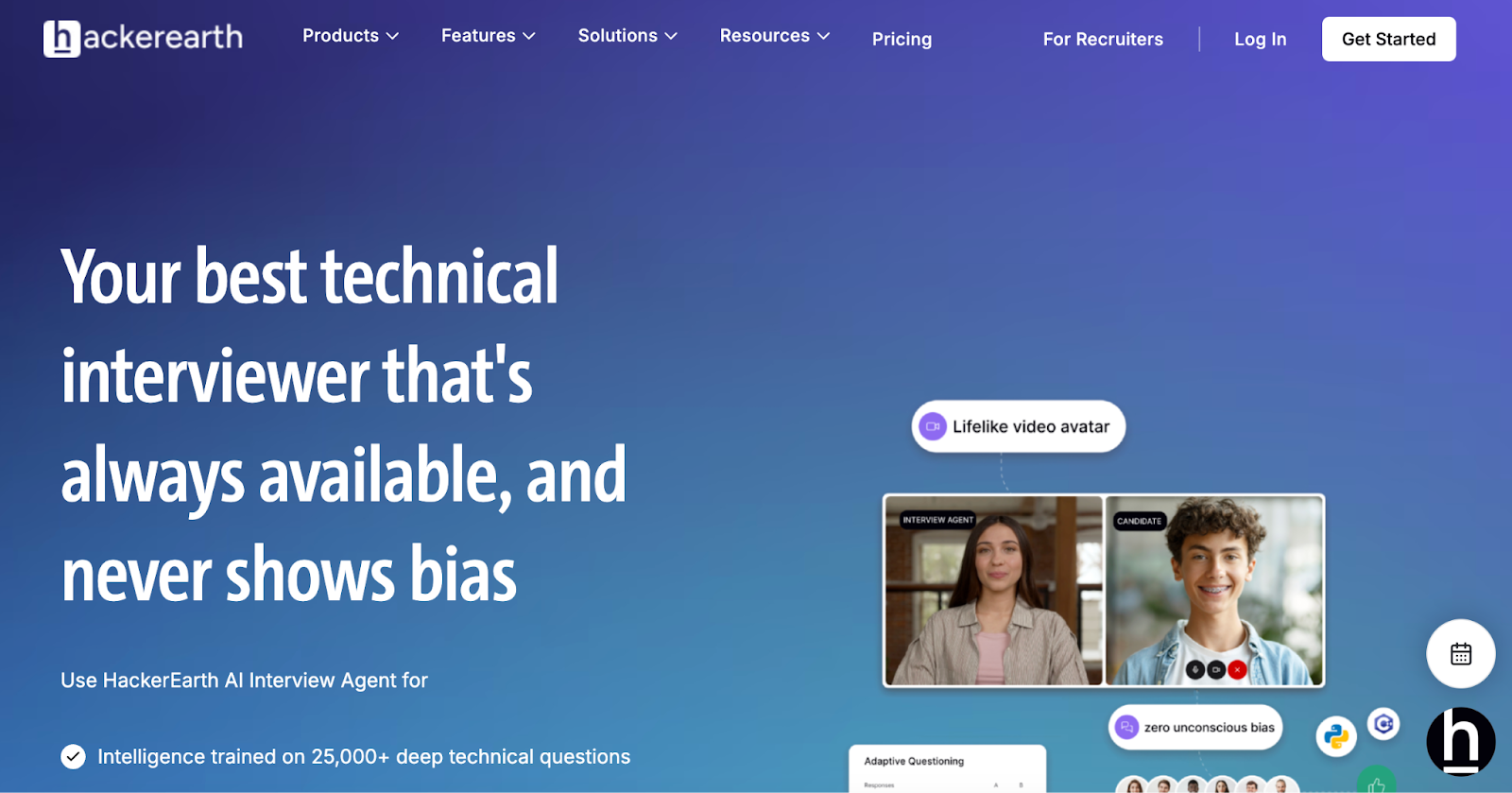
HackerEarth's OnScreen runs structured technical interviews using consistent rubrics
HackerEarth is the strongest fit on this list for teams that need both deep technical assessment and the ability to extend assessments into non-technical roles via custom content — most other tools here force a choice between depth in code and breadth across functions.
HackerEarth's OnScreen (also marketed as the AI Interview Agent) acts as a technical interviewer that is available continuously and applies the same rubric to every candidate — which makes it more consistent across candidates than human-led screens that vary by interviewer mood, time of day, or fatigue. Designed for tech hiring, it runs detailed evaluations without pulling senior engineers away from project work. HackerEarth reports 150M+ assessment signals collected across its platform and covers 1,000+ skills.
You can tailor each test to your job requirements or create custom questions reflecting real-world projects. HackerEarth's AI-powered assessments — meaning assessments that use machine learning models to score code submissions and flag integrity issues — combine with real-time skill intelligence to support faster decisions. The AI does not predict future employee performance; it measures observable current performance.
HackerEarth also supports test integrity through AI-powered proctoring, which here means automated detection of tab-switching, candidate identity verification, and SmartBrowser controls that limit AI-assistant use during a test. These controls reduce — but do not eliminate — the risk of cheating.
Beyond automated tests, FaceCode supports live, collaborative interviews with code editors, whiteboards, and diagrams. OnScreen can also conduct role-calibrated conversations that adapt to candidate responses.
Outside of recruitment automation, HackerEarth's Hiring Challenges connect employers with a global developer community of 10M+ to attract and engage tech talent. HackerEarth's approved customer references include Google, Microsoft, Elastic, Flipkart, and Brillio.
Coverage beyond tech: HackerEarth's skill-based assessments and custom content creation extend to non-technical roles, including sales, customer support, and finance.
Why HackerEarth (callout): The capabilities below are HackerEarth-specific product features described for transparency, not a neutral feature comparison.
- OnScreen (AI Interview Agent): An always-available technical interviewer with role-calibrated conversations
- Rubric-applied evaluation: Scoring that doesn't vary by interviewer mood or fatigue, using structured rubrics
- AI video avatars (OnScreen): Lifelike AI video interviewing, specific to the OnScreen product
- Extensive question library: 1,000+ skills covered, including AI and data science
- Customizable coding tests: Assessments tailored to job roles using pre-built or custom questions
- Project-based evaluations: Real-world problem statements and custom datasets for practical skills
- Proctoring controls: SmartBrowser, tab-switch detection, and customizable invigilation levels — automated checks that reduce cheating risk
- Global hiring challenges: 10M+ developers reachable through curated contests
Integrations
- ATS, CRM, HRIS, custom webhooks
Pros
- Reduces time spent screening technical candidates
- More consistent evaluation across senior technical interviews
- Stronger test integrity controls in remote hiring
Cons
- No low-cost or stripped-down plan tier
- Strongest fit for technical hiring teams; non-tech coverage requires custom configuration
Pricing
Pricing tiers below are indicative and not yet formally published; verify with HackerEarth before budgeting.
- Growth Plan: $99/month (10 assessments) — subject to change
- Scale Plan: $399/month (25 assessments) — subject to change
- Enterprise: Custom pricing with volume discounts and advanced support
For more on automating talent acquisition processes, see HackerEarth's guide to automation in talent acquisition, which walks through sourcing, screening, and scheduling workflows.
2. Codility
Codility focuses on technical screening for engineering hiring
Codility is a strong pick over generalist screening tools for teams where engineering leads — not recruiters — own the screening decision. It supports multiple programming languages, role-specific templates, and analytics that focus on code quality rather than recruiter workflow metrics.
Key features
- Screen templates: Role-specific tests using built-in templates
- Structured evaluation: Anonymized assessments with consistent scoring rubrics
- Data insights: Reports analyzing skill gaps, code quality, and candidate performance
Integrations
- ATS, CRM, HRIS, custom webhooks
Pros
- Faster screening of technical candidates
- More consistent scoring across assessments
- Scales testing without manual oversight
Cons
- Requires training for recruiters new to technical hiring
Pricing
Codility's published pricing is limited; figures previously reported (Starter around $1,200/year, Scale around $600/month) circulate online but should be verified directly with Codility. Contact vendor for current pricing.
3. Glider AI
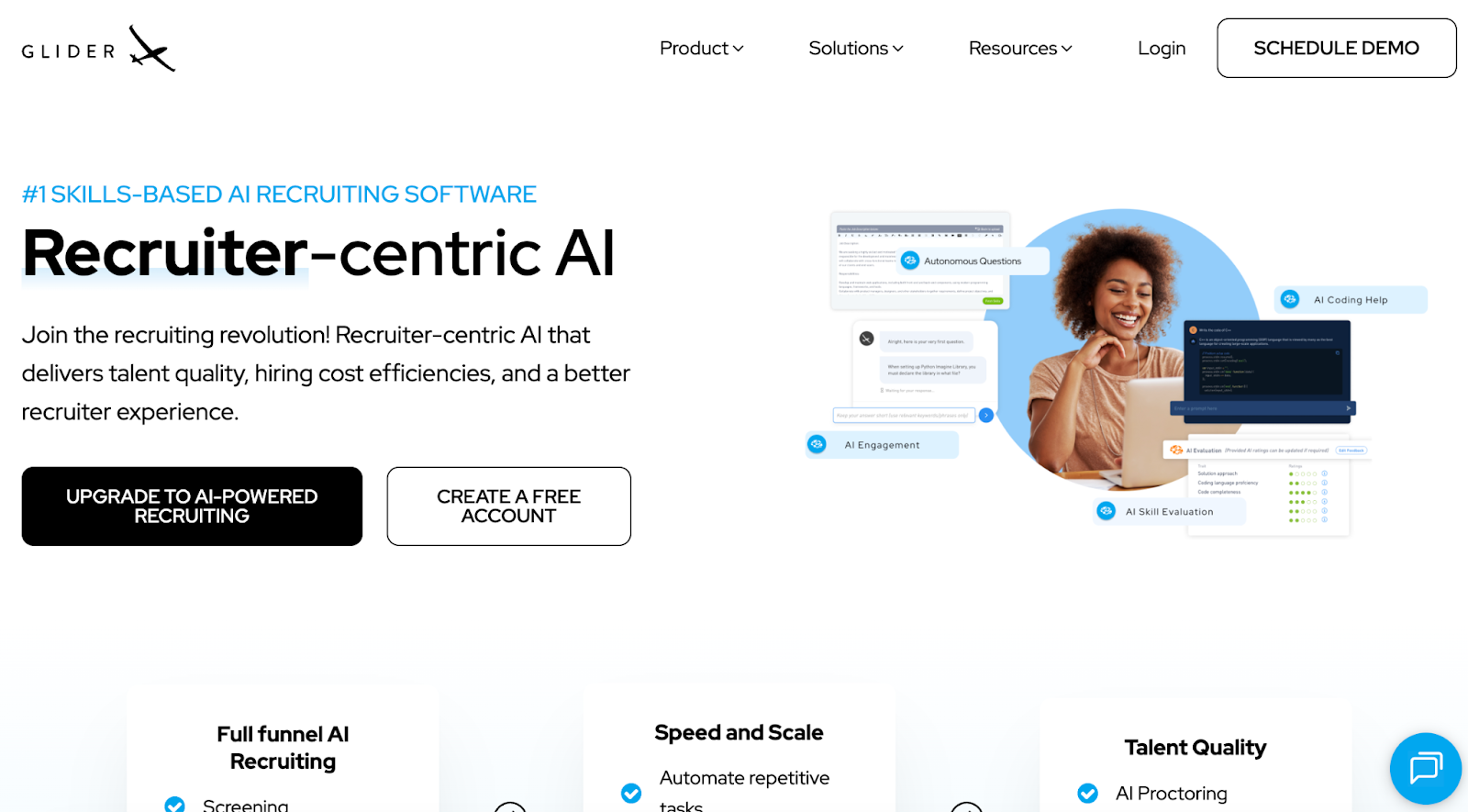
Glider AI covers screening, assessments, interviews, and proctoring
Glider AI is best suited for teams that want one platform covering the full funnel — outreach through proctored assessment — rather than stitching together best-in-class point tools. It uses AI-enabled chat, phone screening, and skill assessments to handle repetitive tasks. With proctoring, identity verification, and diversity hiring features, Glider offers a full-funnel solution.
Key features
- AI chat: Candidate outreach and pre-qualification across channels
- Agentic interviews: AI-driven interviews with adaptive questions
- Proctoring suite: Monitoring, identity checks, and fraud detection
Integrations
- ATS, CRM, HRIS, custom webhooks
Pros
- Handles high-volume hiring workflows
- Improves candidate funnel efficiency
- More consistent screening and interviewing
Cons
- Users report assessment issues with candidates reluctant to engage
Pricing
- Custom pricing — contact vendor
4. TestGorilla
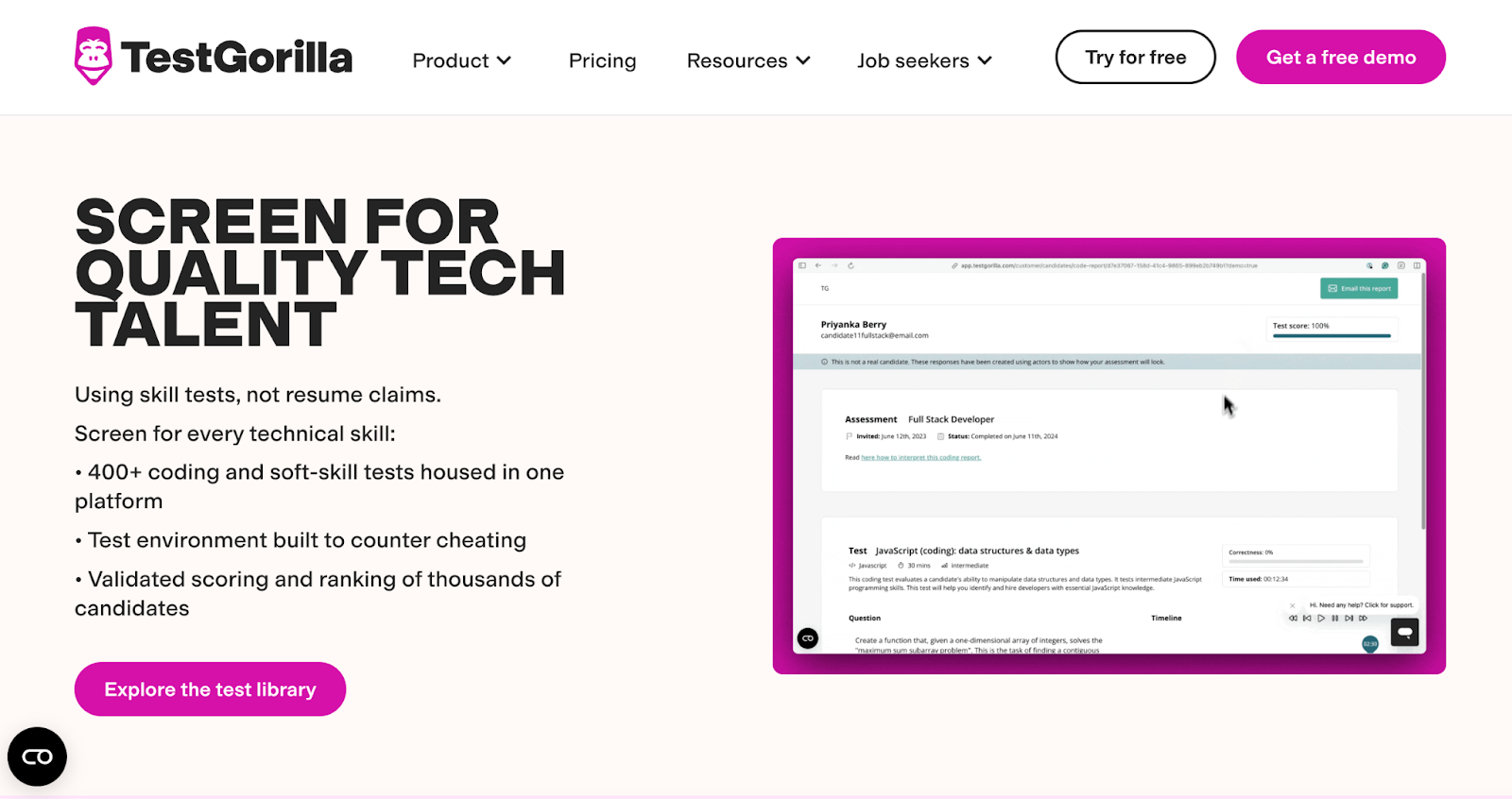
TestGorilla offers validated tests, AI scoring, and a global talent pool
TestGorilla is a useful pick when the screening problem is breadth across functions rather than depth in code. It automates candidate screening using AI-powered assessments, resume scoring, and custom evaluations from a large skills test library (per vendor, over 350 scientifically validated skill tests). Paste in a job description and its AI recommends tailored assessments with qualifying questions, skill tests, and video interviews.
Key features
- Assessment builder: Tailored assessments matching job descriptions
- AI scoring: Percentile rankings and data-backed skill comparisons
- Candidate comparisons: Side-by-side percentile-based insights
Integrations
- ATS, CRM, HRIS, custom webhooks, OpenAPI (Workable, Greenhouse, Zoho Recruit)
Pros
- Speeds up candidate shortlisting
- More consistent fairness via data-backed assessments
- Scales screening without extra manual effort
Cons
- Lower-tier plans have assessment limitations compared to competitors
Pricing
- Free tier available
- Core: Approximately $142/month (billed annually) — verify with vendor
- Plus: Contact for pricing
For interview-stage guidance, see the guide to conducting successful system design interviews (originally published 2025; the structural advice remains current for 2026 hiring).
5. iMocha
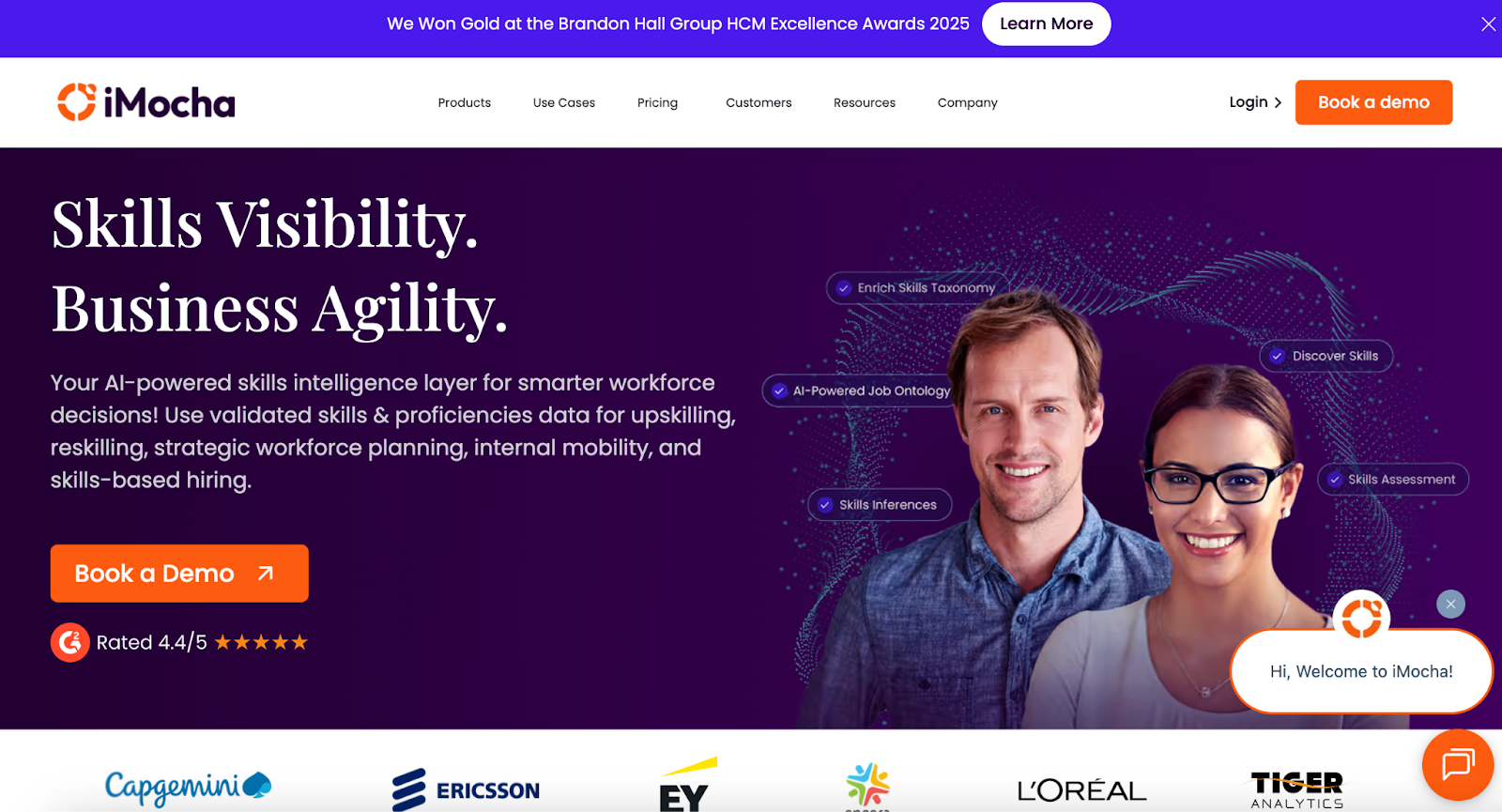
iMocha offers skill assessments, AI inference, automation, and skills-based hiring
iMocha is positioned for enterprise teams running high-volume screening across a broad skill set — its scale claims are the most useful differentiator versus narrower tools. Per vendor, iMocha reports 1,000+ customers and a library of 3,000+ skills assessments and simulations (verify both figures directly with iMocha). It supports remote proctoring, customizable test creation, real-world job simulations, and AI-driven reports.
Key features
- AI screening engine: Qualifies applicants based on role-specific hard filters
- Conversational engagement: Automates voice, text, or video conversations
- Cheating prevention: Audio/video proctoring and window-switching alerts
Integrations
- Greenhouse, Lever, Ashby, BambooHR, Zapier, Slack, ATS via API, custom webhooks
Pros
- Custom tests across a wide skill library (per vendor)
- Multi-layer proctoring reduces cheating risk
- In-depth candidate performance analytics
Cons
- The interface can feel cluttered
Pricing
- 14-day free trial
- Basic / Pro / Enterprise: Contact for pricing
6. Woven
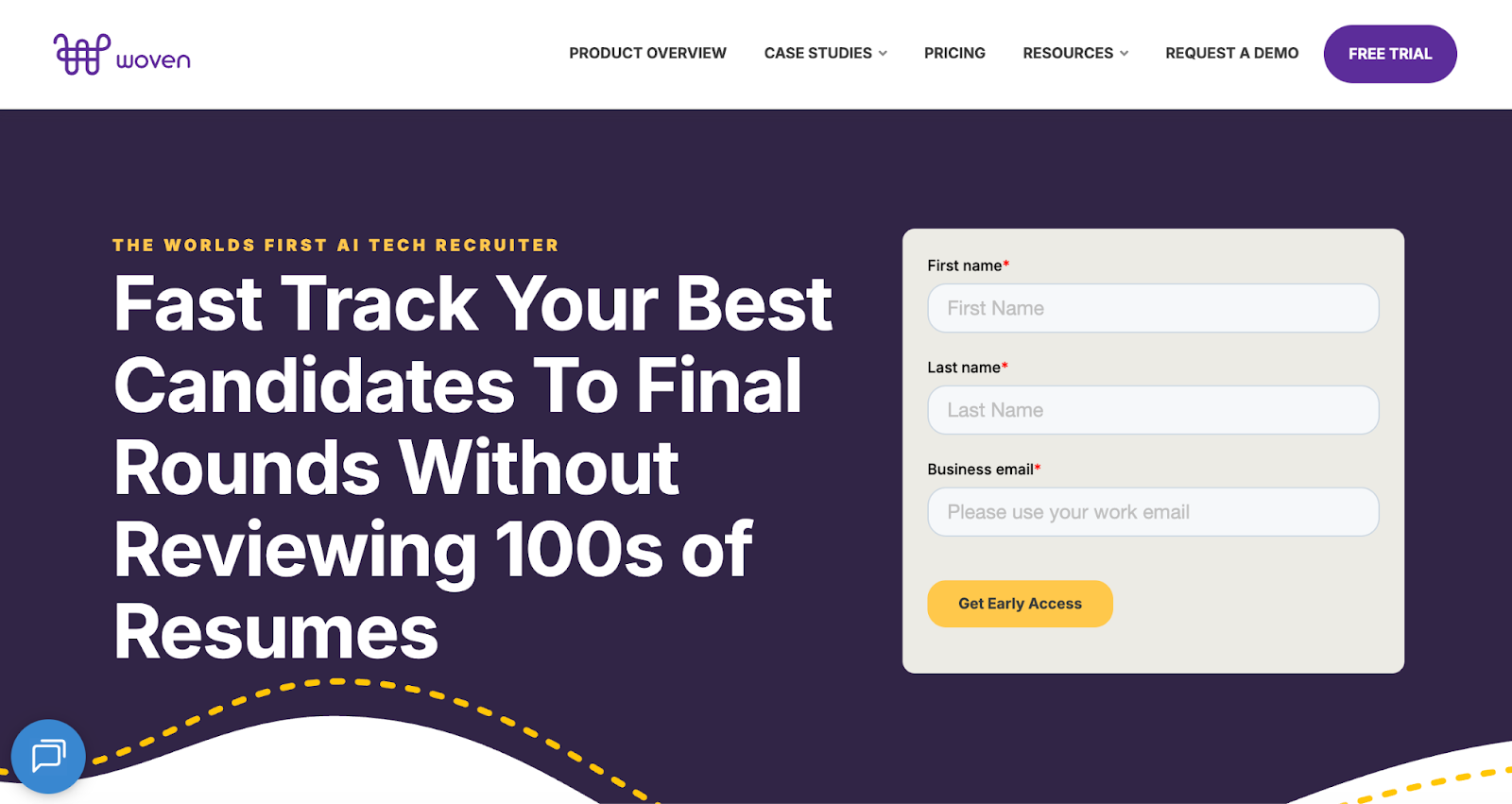
Woven automates resume reviews to speed up tech hiring
Woven is the pick for small teams hiring fewer than 10–15 high-salary technical roles per year where assessment quality directly drives offer acceptance — the per-hire pricing model only works at that scale. As candidates apply, Woven filters them against must-have criteria, initiates conversations via chat, voice, or video, and moves qualified candidates into skills-based assessments.
Key features
- AI recruiter: Filters applicants based on key criteria
- Personalized messaging: Voice, video, or text AI chat
- Real-time assessments: Skill tests tailored to role and seniority
Integrations
- ATS, CRM, Slack, Greenhouse, Lever, custom webhooks
Pros
- Automated resume screening and shortlisting
- Personalized candidate conversations at scale
Cons
- Learning curve for new users
- Per-hire pricing can become expensive at scale
Pricing
Publicly reported pricing — verify directly with Woven:
- Starter: ~$249 + ~$4,000 per successful hire
- Premium: ~$499 + ~$4,000 per successful hire
- Annual: ~$1,200 per successful hire
A note on per-hire pricing: a $4,000 per-hire model is unusual in the assessment space. It can be cost-effective for teams making fewer than 10–15 hires per year against high-salary roles where the assessment quality directly drives offer-acceptance. It is rarely cost-effective for high-volume hiring (50+ hires/year), where flat-rate platforms produce lower cost-per-hire. Model both scenarios before committing.
7. HackerRank
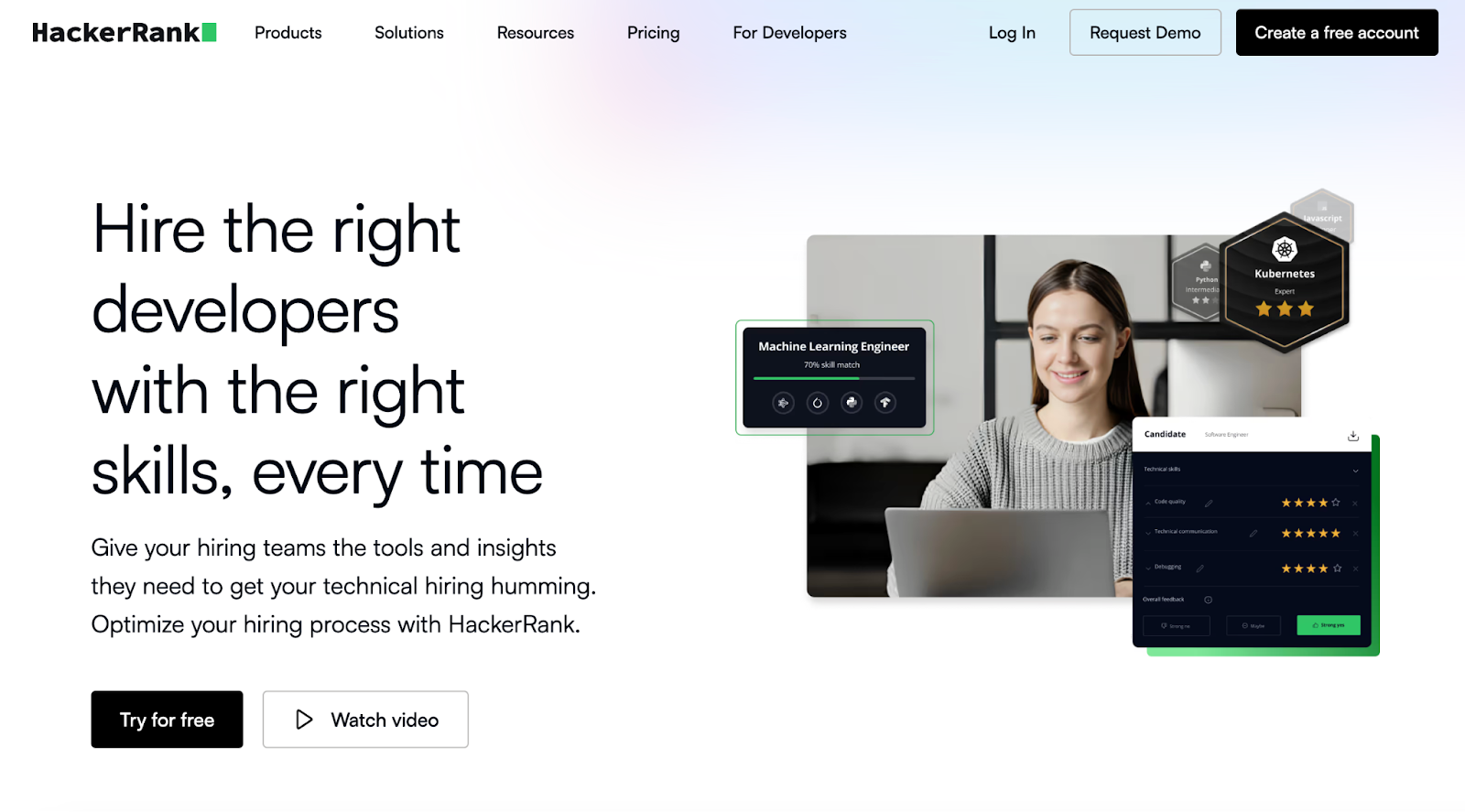
HackerRank provides AI-enhanced workflows for technical hiring
HackerRank is a reasonable default for teams that already have a developer brand presence on the HackerRank community and want to convert that reach into structured screening. Its AI-enhanced workflows handle application filtering, auto-invite qualified candidates, and deliver structured technical assessments tailored to each role. HackerRank advertises support for a wide range of programming languages — verify the current count with the vendor.
Key features
- Live CodePairing: Real-time observation of candidates writing and debugging code
- Multi-mode interviews: Audio, video, and text chat in one interface
- Automated screening: Auto-invites and assessments based on candidate criteria
Integrations
- Greenhouse, Taleo, iCIMS, SmartRecruiters, Lever, Workday, CRM platforms, custom webhooks, REST API
Pros
- Automates tech screening from application to offer
- Built-in audio/video and IDE for interviews
- Tracks and replays candidate keystrokes
Cons
- Offers less customization than some competitors
Pricing
Publicly reported pricing — verify with HackerRank:
- Starter: ~$199/month
- Pro: ~$449/month
For more on assessment integrity, see how candidates use technology to cheat in online technical assessments.
When recruitment automation tools can hurt hiring quality
Automation is not uniformly positive, and it is worth naming the scenarios where it backfires:
- Over-filtering at the top of funnel. Aggressive keyword or skill-threshold filters routinely reject qualified candidates whose resumes do not match the parser's expectations — especially career-changers and candidates from non-traditional backgrounds.
- Candidate drop-off from impersonal experience. A 2024 report from HRD Asia found that a majority of candidates surveyed said they would reject offers from companies they perceive as relying too heavily on AI in hiring. Treat this as one data point rather than a universal rule, but the directional risk is real.
- False confidence in AI scoring. AI-generated scores feel objective but inherit the limitations of the data they were trained on. Treat scores as one input, not a verdict.
- Compliance exposure. Several jurisdictions now require bias audits or candidate disclosures for AI-driven hiring tools. Automation without compliance review can create legal and reputational risk. The three frameworks most often cited:
- **[NYC Local Law 144](https://www.nyc.