Introduction: the new reality of talent acquisition
Candidate sourcing tools — platforms that proactively identify, engage, and qualify passive talent before they apply — have become central to how recruiters compete for scarce skills in 2026. If you lead talent acquisition, you're likely feeling a familiar squeeze: hiring volume is climbing while your team's capacity to evaluate quality is not. Industry surveys, including LinkedIn's Future of Recruiting reports, have found that a majority of recruiters expect hiring volume to keep rising, yet the harder problem has shifted from finding candidates to screening them.
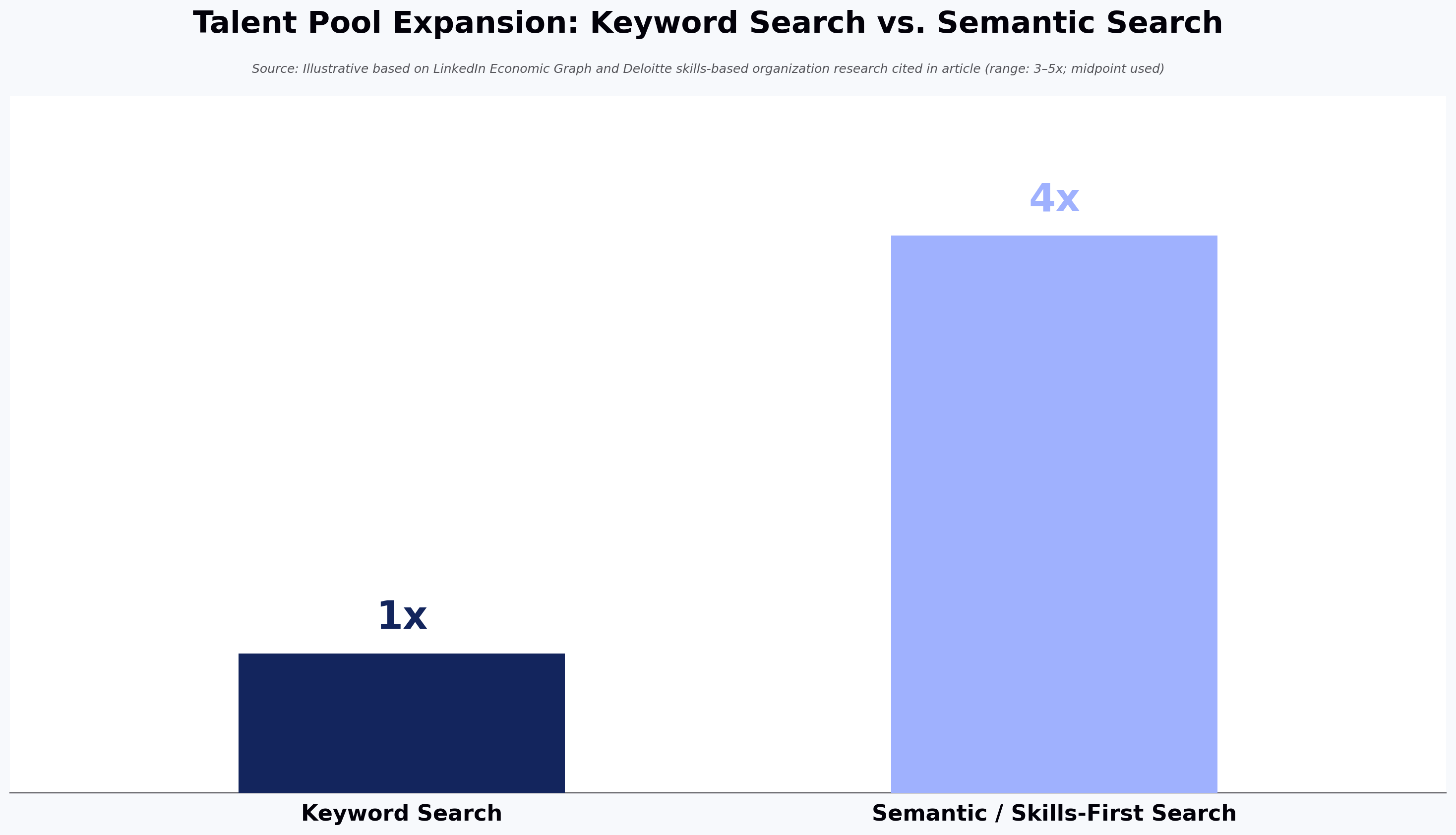
A major force driving this shift is the move to a skills-first approach — replacing degree and pedigree filters with competency-based matching. When properly governed, skills-first sourcing powered by AI can widen access to non-traditional candidates. Some studies, including research from LinkedIn's Economic Graph and Deloitte's skills-based organization research, suggest talent pool expansion of roughly 3–5x when semantic search replaces keyword filters, though results vary by role and implementation. This guide gives recruiters and TA leaders an evaluation framework and a tool-by-tool review of eight leading candidate sourcing tools built for this skills-first, AI-driven era.
1. What is a candidate sourcing tool?
A candidate sourcing tool is a platform that proactively identifies and engages passive candidates — people who aren't actively applying — and moves them into a recruiter's pipeline. Its core function is pipeline filling and talent community creation, operating at the top of the hiring funnel.
Differentiating sourcing tools from CRMs
Recruiters already know what an ATS does. The more useful distinction is between a sourcing tool and a recruiting CRM, since the categories increasingly overlap:
- Sourcing tool: Aggregates external talent data (public profiles, GitHub, publications, professional networks) and surfaces candidates who match a role. The output is a list of new people to contact.
- Recruiting CRM: Nurtures known talent over time — silver medalists, event attendees, referrals — through segmented campaigns and long-term engagement. The output is warmer relationships with people already in your database.
The value of modern sourcing technology depends on how cleanly it connects to your ATS. Without strong integration, the efficiency gained from finding candidates faster is offset by manual data transfer. ATS integration is one of the most significant determinants of long-term sourcing tool ROI, though team size, hiring volume, and existing tech-stack maturity also weigh heavily.
2. How AI, skills intelligence, and governance are reshaping sourcing
The platforms leading the market today rely on three technical advances: intelligent automation, semantic search, and governance controls for bias and compliance.
Intelligent automation and the predictive future
AI investment in recruitment is expanding, but its primary utility remains augmentation. AI handles the data-heavy work of finding and screening candidates, and automates scheduling and first-draft outreach. That gives recruiters room to focus on judgment-heavy work: stakeholder alignment, closing, and complex offers.
Predictive sourcing tools go beyond historical reporting to forecast which sourced candidates are likely to respond and progress. Agentic AI extends this further by running personalized outreach sequences end-to-end. Some vendors report response rates two to three times higher than manual outreach, though these figures come from vendor case studies rather than independent audits, and results depend heavily on message quality and targeting.
Semantic search and skills intelligence
The shift to skills-first hiring is technically enabled by semantic search. Unlike keyword matching, semantic search interprets the underlying meaning and context of a candidate's profile. This lets platforms surface stronger matches based on transferable skills, even when titles don't align.
The benefits: fewer irrelevant results, more hidden talent surfaced, and better support for internal mobility and adjacent-skill hiring.
Governance, risk, and diversity
As AI plays a larger role in initial filtering, governance and bias mitigation have become central to platform evaluation. When designed and governed responsibly, AI-assisted sourcing can support more equitable hiring by weighting demonstrated skills over pedigree. Semantic search, when properly tuned, is designed to reduce the narrow-keyword exclusions that filter out non-traditional candidates — though it is not inherently bias-free and can inherit bias from training data. Unilever has publicly reported reductions in time-to-hire and gains in diversity of hire after implementing AI-driven early-stage screening; this is a single-company outcome, not an industry average, and should be read as illustrative rather than definitive.
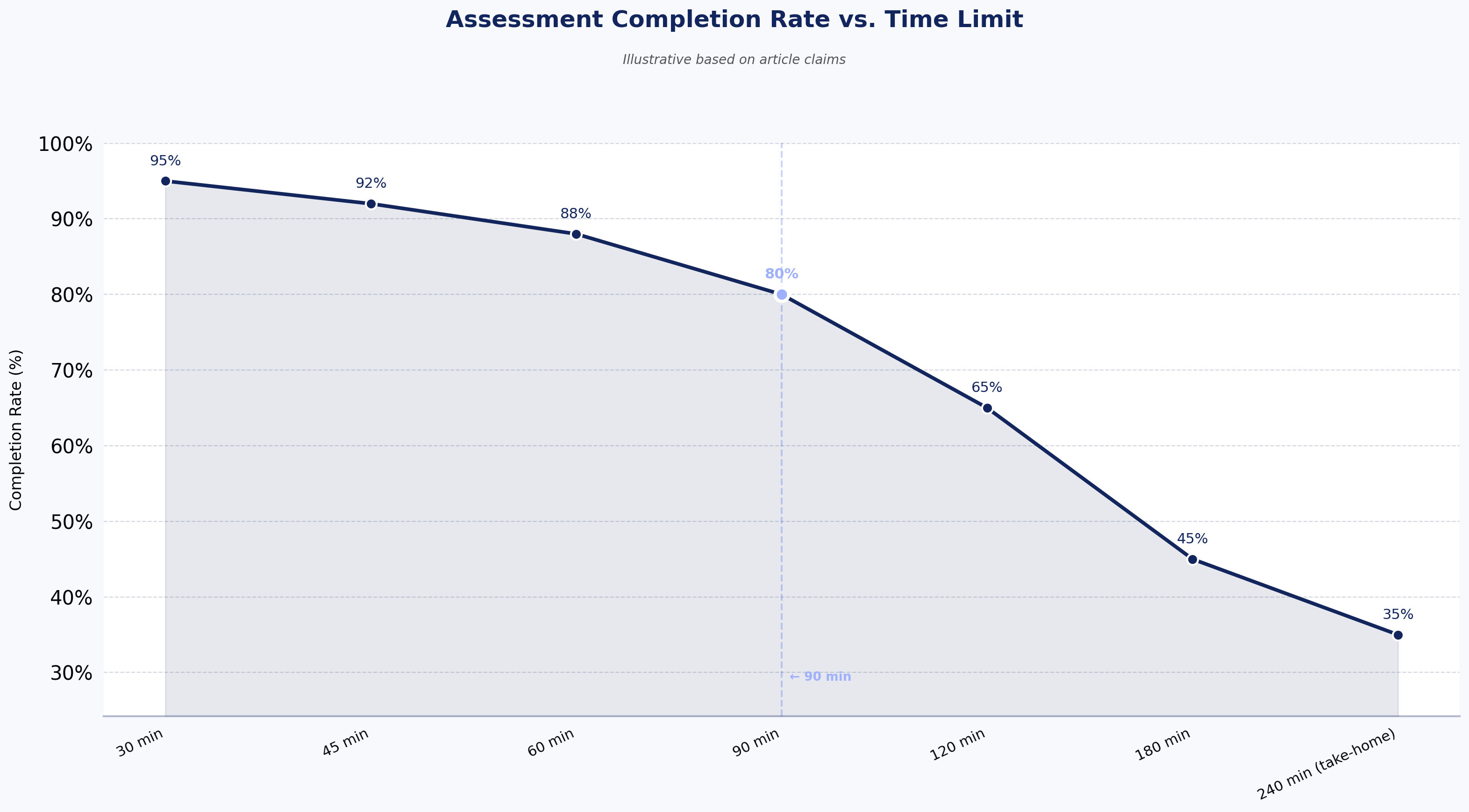
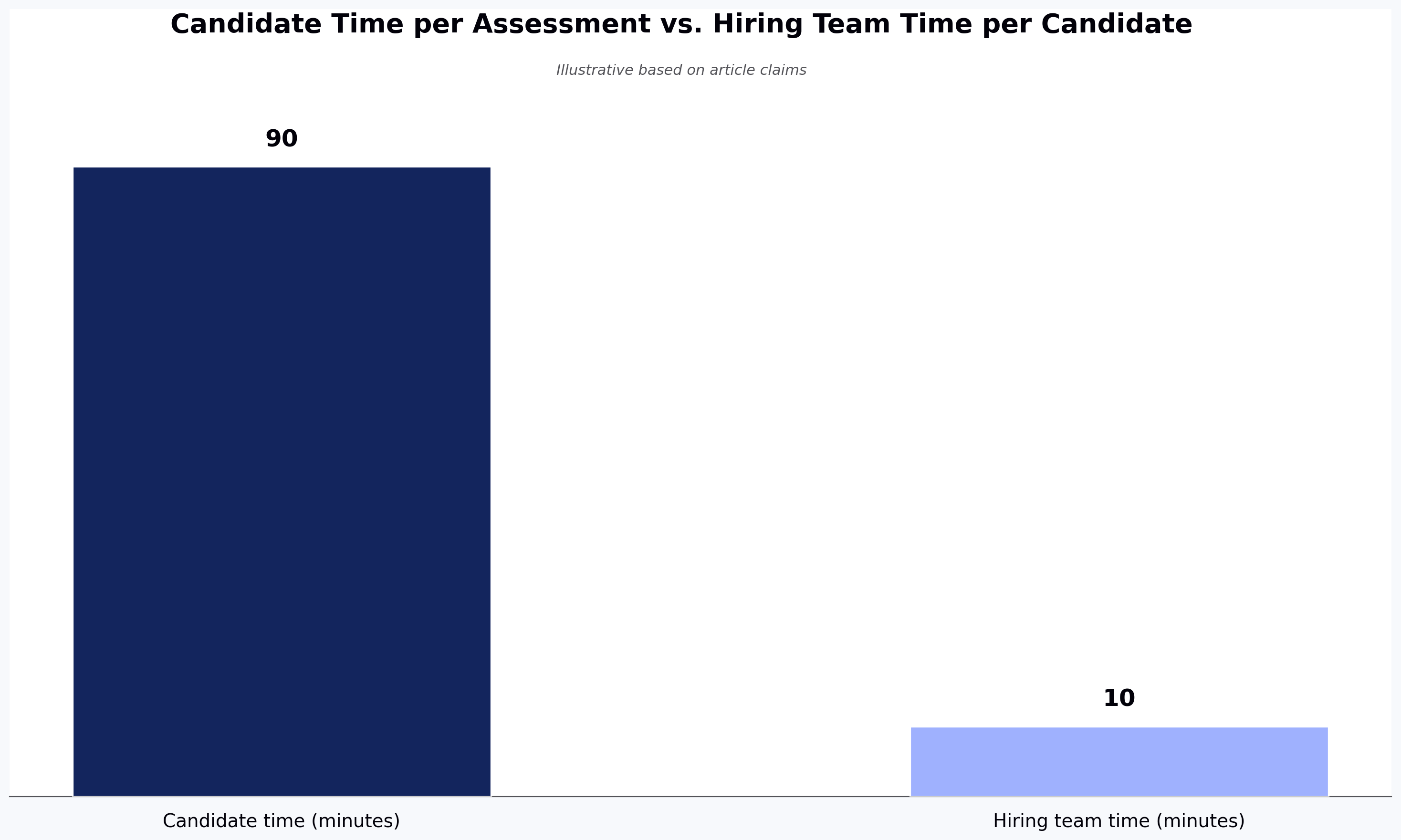
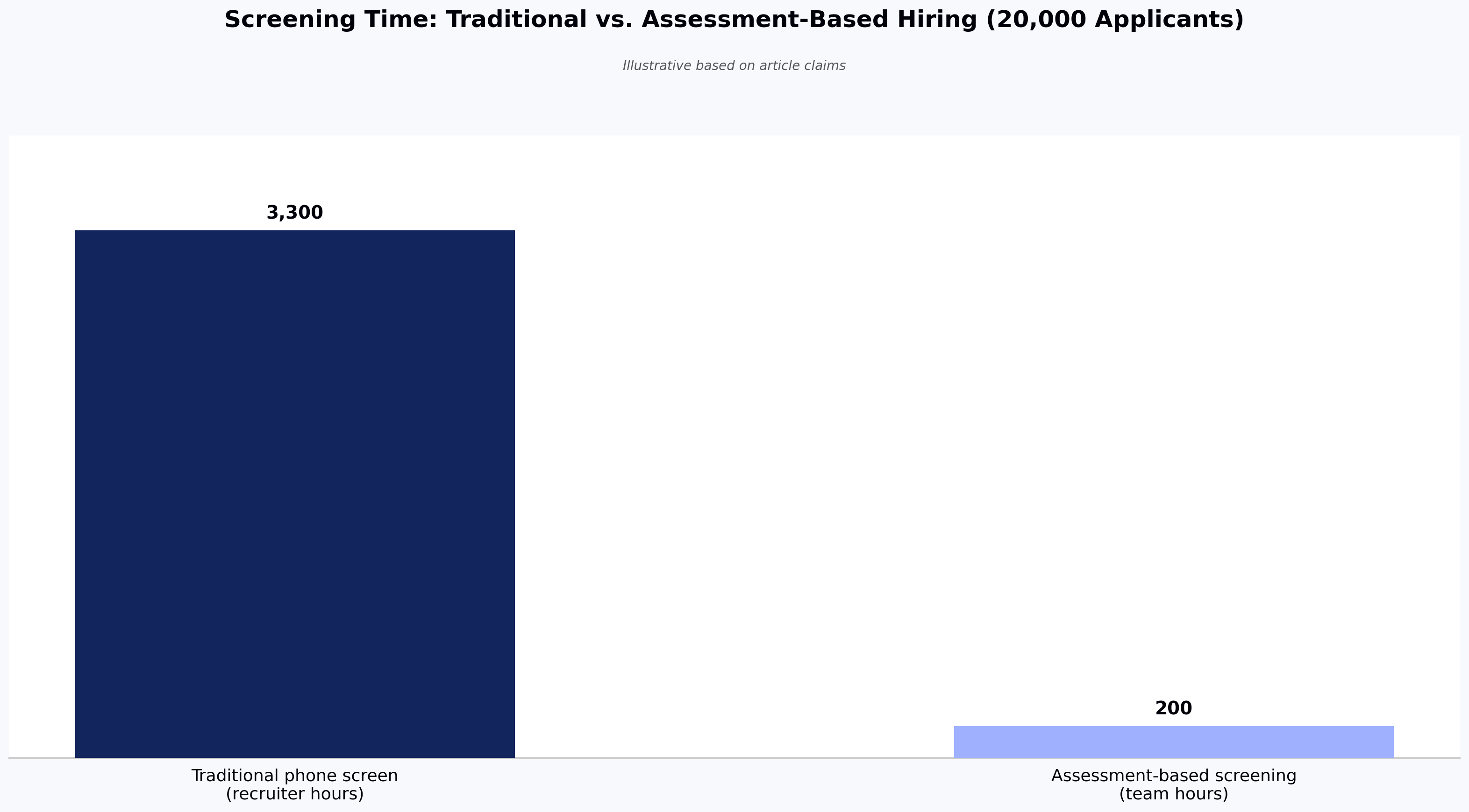
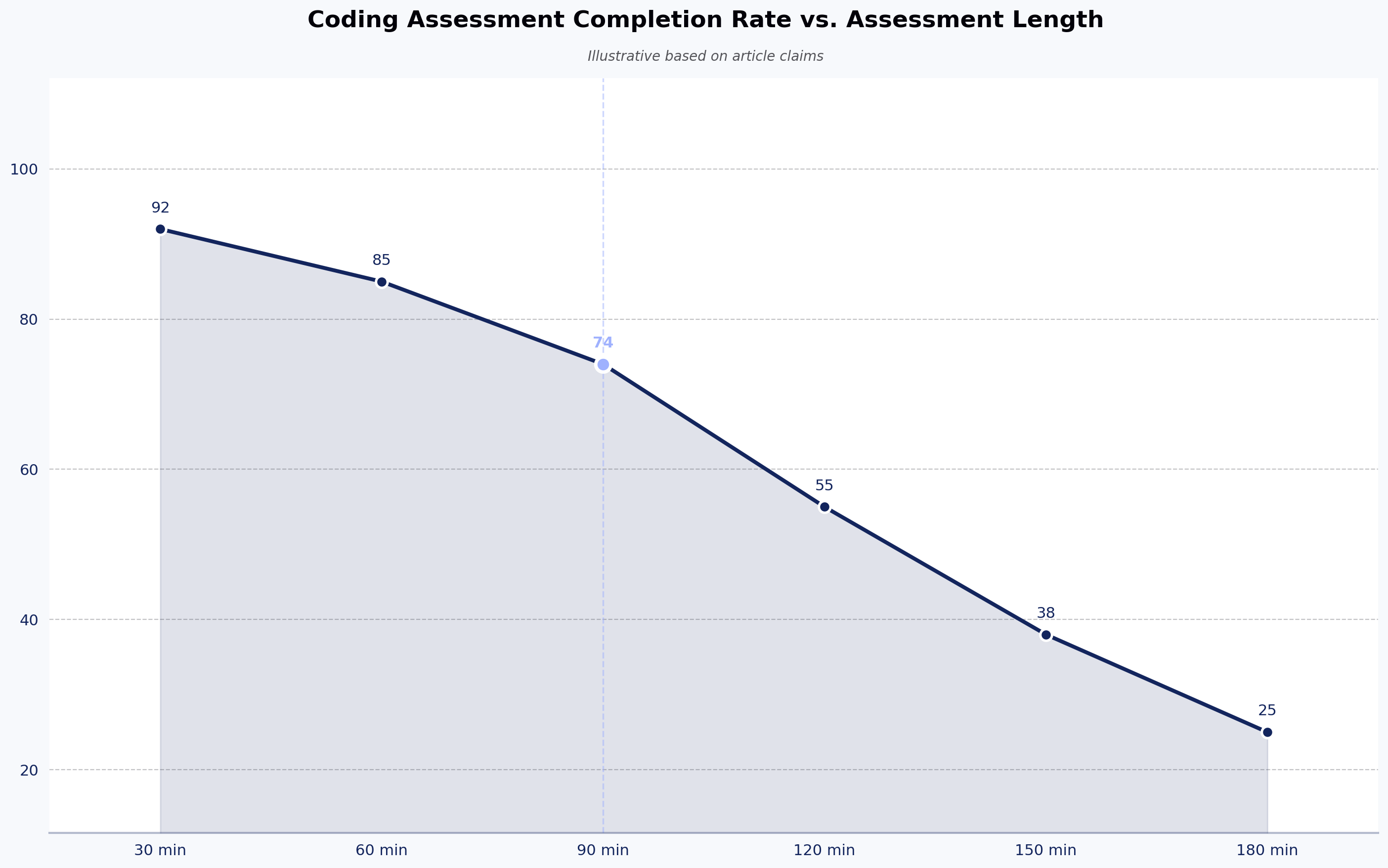
Expanded talent pools only pay off if the downstream evaluation step is objective. Semantic search may broaden the top of the funnel, but newly surfaced candidates — many without conventional resumes — still require verification. For technical roles, that verification typically comes from a structured, rubric-based skills assessment layered after sourcing. HackerEarth's Skill Assessments — role-based, rubric-scored coding and skills tests for technical hiring — are one such qualification layer designed to slot in after the sourcing step.
3. The enterprise evaluation framework for choosing a sourcing tool
Choosing an enterprise sourcing tool is a vendor risk decision as much as a feature decision. The criteria below focus on scalability, compliance, and measurable efficiency.
Evaluation pillars
- Database scale and specificity. The platform should aggregate talent from multiple sources. For technical roles, that means coverage of communities like GitHub, Stack Overflow, and Kaggle; for volume roles, it means depth on general professional networks.
- Predictive and filtering power. Look past Boolean search. Strong platforms offer AI-assisted scoring (typically trained on historical hire and response data, and worth auditing for the signals they weight), predictive response likelihood, and granular filters. When vendors advertise very high filter counts, ask which filters actually drive shortlist quality — most searches use a small subset.
- Outreach automation and personalization. Sufficient contact credits (emails, InMails) and sequence builders that support real personalization, not just merge fields.
- Integration and data flow. The tool must sync bidirectionally with your ATS and CRM. Without this, sourced candidates get stranded outside your system of record, and reporting breaks. Failure here means recruiters re-enter data by hand and hiring managers lose visibility.
- Diversity and fairness controls. Look for bias audits, anonymized review modes, and diversity analytics you can actually export.
- Scalability and support. Global coverage, mobile access, and SLA-backed support matter more the larger your team gets. Without them, a global rollout stalls when one region can't get help in its business hours.
Pricing and negotiation
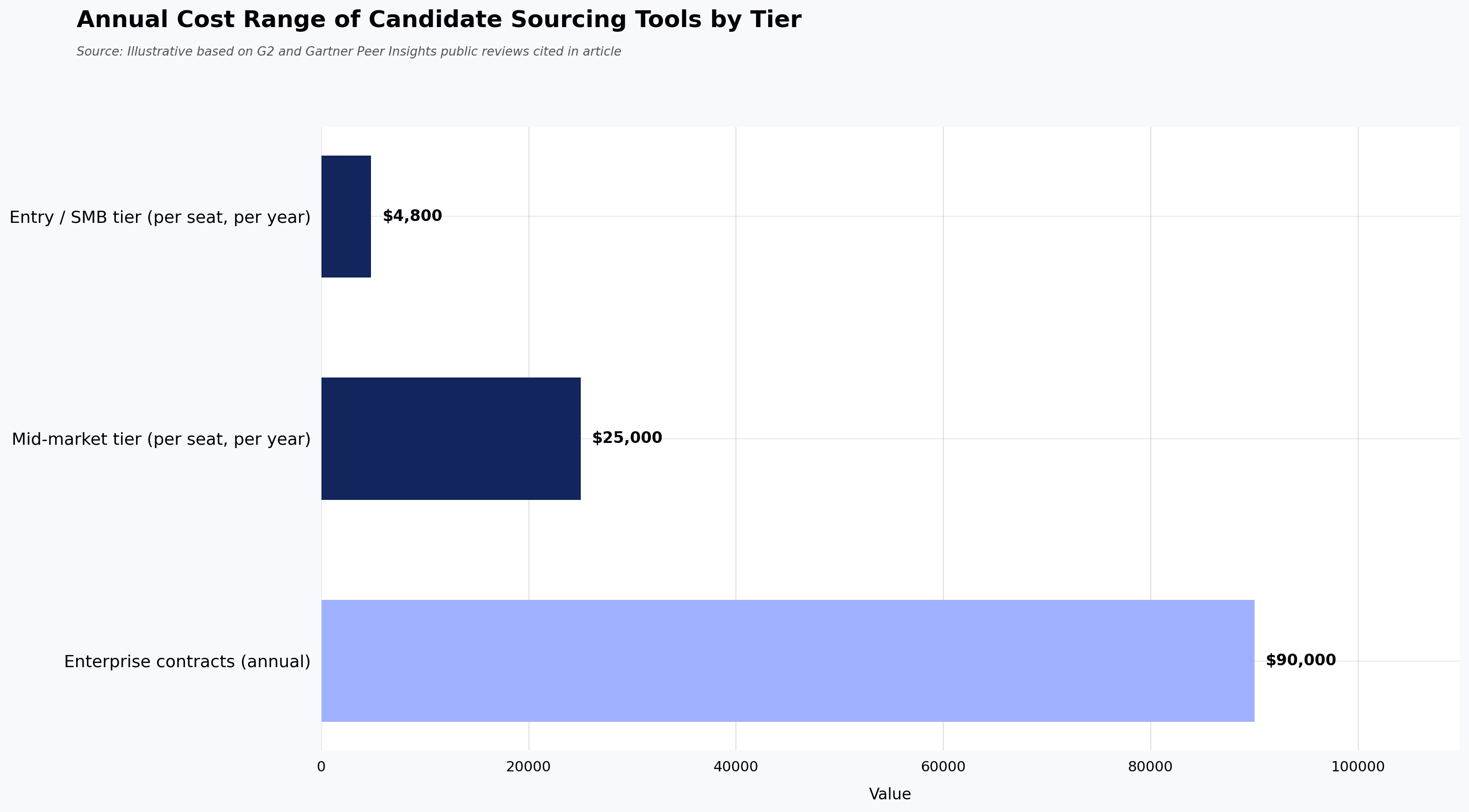
Pricing in the AI recruiting software category is notoriously opaque, with many vendors defaulting to "contact for pricing." Publicly available reviews on G2 and Gartner Peer Insights suggest annual costs commonly range from roughly $4,800 per seat per year at the low end to well past $90,000 for enterprise contracts, though exact figures are rarely disclosed publicly and should be validated during procurement.
Most enterprise contracts use per-seat licensing, so costs scale with team size. Because pricing is negotiated, buyers can use growth projections and quarter-end timing as leverage. Procurement teams and analyst firms often cite typical negotiated discounts in the low double digits off list price, though the exact range depends on deal size, competitive pressure, and contract length.
4. The 8 best candidate sourcing tools in 2026
Below is a tool-by-tool review of eight platforms recruiters most frequently shortlist in 2026. Each entry covers what the tool does well, where it's weaker, and the buyer it fits best.
1. LinkedIn Recruiter
Best for: Volume hiring, generalist roles, and geographies where LinkedIn adoption is deep.
LinkedIn Recruiter remains the default entry point for most recruiting teams because of dataset breadth. Its InMail system, saved searches, and Recruiter System Connect integrations with major ATS platforms are well-established. Where it falls short: for deep technical roles, LinkedIn profiles often lack the depth (code samples, contributions, project detail) that engineering hiring managers want. Teams hiring senior engineers, ML researchers, or security specialists often find LinkedIn insufficient on its own. When it's NOT the right choice: if you're hiring niche technical talent that doesn't maintain active LinkedIn profiles, or if your budget is better spent on a specialist platform plus assessments.
2. SeekOut
Best for: Technical, cleared, healthcare, and diversity-focused searches.
SeekOut aggregates data from public sources beyond LinkedIn — GitHub, patents, publications, security clearances — which gives it depth for hard-to-fill roles. Its diversity filters and analytics are among the more mature in the category. Weaker on: general volume hiring, where the depth of enrichment isn't needed and adds cost.
3. hireEZ (formerly Hiretual)
Best for: Outbound sourcing at scale with AI-assisted search and outreach.
hireEZ aggregates public profiles across 45+ platforms and layers AI-based match scoring and email sequencing on top. Its Chrome extension is popular with sourcers working across LinkedIn and other sites. Weaker on: deep filtering for highly specialized cleared or research roles compared to SeekOut.
4. Gem
Best for: Sourcing CRM, pipeline analytics, and nurture campaigns.
Gem is less a discovery tool and more a system of record for outbound sourcing — tracking every touch, sequence, and response rate across the team. Its analytics are the strongest reason to choose it. Weaker on: first-party talent discovery. Gem typically layers on top of LinkedIn Recruiter rather than replacing it, which means two contracts.
5. Entelo
Best for: Diversity sourcing and predictive candidate signals.
Entelo built its reputation on predictive analytics — signaling which candidates are more likely to be open to new opportunities — and on diversity-focused search. Weaker on: raw database size compared to LinkedIn and SeekOut.
6. Beamery
Best for: Enterprise talent CRM, career sites, and long-horizon talent pipelines.
Beamery targets large enterprises building multi-year talent communities. It combines CRM, career site personalization, and skills-based matching. Weaker on: speed to value for smaller teams; implementation is a project, not a plug-in.
7. Fetcher
Best for: Small to mid-sized teams that want managed sourcing.
Fetcher blends software with human curation, delivering vetted candidate batches into recruiter inboxes. Weaker on: control and customization compared to self-serve platforms.
8. HackerEarth (as the qualification layer paired with sourcing)
Best for: Technical hiring teams that need to convert a wide sourced funnel into a ranked, skills-verified shortlist.
HackerEarth is not a sourcing tool in the discovery sense — it doesn't scrape profiles or send InMails. It sits immediately after sourcing to qualify candidates through structured skills evaluation. Relevant products for teams pairing it with a sourcing platform:
- Skill Assessments: role-based, rubric-scored coding and skills tests for technical hiring.
- FaceCode: live technical interviews with a shared code editor and structured evaluation.
- Hackathons: branded challenges that double as sourcing events and evaluation exercises.
When HackerEarth is not the right fit: non-technical volume hiring, where a sourcing-plus-ATS pairing without technical assessment is sufficient.
5. Strategic comparison: how the eight tools stack up
The most effective TA stacks layer complementary tools rather than betting on a single platform. The table below summarizes primary use case, strengths, and gaps for each of the eight tools reviewed.
| Tool | Primary use case | Key strength | Common gap |
|---|---|---|---|
| LinkedIn Recruiter | Volume, generalist hiring | Largest professional dataset | Shallow for deep technical roles |
| SeekOut | Technical, cleared, DEI | Multi-source enrichment, DEI filters | Overkill for general volume |
| hireEZ | Outbound at scale | AI match + outreach in one | Less depth for specialist searches |
| Gem | Sourcing CRM & analytics | Pipeline analytics, sequence tracking | Not a primary discovery source |
| Entelo | DEI and predictive sourcing | Predictive open-to-move signals | Smaller raw database |
| Beamery | Enterprise talent CRM | Long-horizon talent communities | Heavy implementation |
| Fetcher | Managed sourcing for SMB | Human-curated candidate batches | Less recruiter control |
| HackerEarth | Skills verification post-sourcing | Rubric-based technical evaluation | Not a discovery/sourcing tool |
Table: comparison of eight leading candidate sourcing tools, compiled from vendor documentation and public reviews on G2 and Gartner Peer Insights, 2025.
The pattern most technical hiring teams settle into is a discovery engine (LinkedIn Recruiter, SeekOut, or hireEZ) paired with an engagement layer (Gem or Beamery) and a qualification layer (HackerEarth) for role-fit verification. Sourcing tools solve the find problem; assessments solve the quality problem.
6. Tool vs manual sourcing: when to use which
Intelligent sourcing tools don't eliminate the human element — they demand a hybrid workflow.
Defining hybrid sourcing workflows
In hybrid models, automation handles bulk, repetitive operations and human sourcers provide context, judgment, and relationship-building. AI handles the transactional layer — finding profiles, scheduling, drafting first-touch outreach. Recruiters focus on the assessments AI can't make: cultural signal, motivation, negotiation, and closing.
The sourcer's role shifts from database expert to strategic relationship architect and data interpreter. That transition takes deliberate training investment, not just a tool rollout.
Common mistakes to avoid
The most frequent error in adopting new sourcing technology is over-reliance on automation without oversight:
- Automation without context. Generic, fully automated outreach damages candidate experience and depresses response rates. High-stakes outreach still needs human review before it sends.
- The data trap and bias. Using AI screening without governance risks amplifying bias in training data. Without a standardized, objective evaluation step after the AI match, the system can scale bias under the appearance of efficiency.
7. Strategic implementation: how to choose the right tool for your context
Choosing a sourcing tool starts with internal diagnosis: team size, budget, primary role types, and existing tech-stack integrations.
Contextual decision guide
Use the guide below to map primary hiring needs to platform strengths:
- High-volume generalist hiring → LinkedIn Recruiter as the anchor.
- Deep technical or cleared roles → SeekOut or hireEZ for discovery; HackerEarth for qualification.
- DEI-focused sourcing → SeekOut or Entelo, paired with structured, rubric-based assessments to reduce downstream bias.
- Long-term talent community building → Beamery or Gem, depending on enterprise scale.
- Small team, limited sourcing capacity → Fetcher for managed sourcing.
- Technical hiring across any of the above → layer HackerEarth's Skill Assessments after the sourcing step to convert sourced profiles into a ranked, skills-verified candidate pool.
Rigorous pilot evaluation
To ensure a significant investment yields results, run a structured pilot:
- Define scope and metrics. Set measurable targets: response rate lift, time-to-shortlist for niche roles, accuracy of AI matching against hiring manager feedback. Structure role requirements as skills, not credentials.
- Execution and data collection. Run the pilot for 4 to 12 weeks. Track both efficiency (time saved on admin) and efficacy (candidate quality, conversion, offer-accept rate).
- Stakeholder feedback. Collect qualitative input from recruiters (usability) and hiring managers (shortlist quality). Look for pattern breaks, not just averages.
- Integration check. Test ATS and assessment tool integrations under real load. Confirm data flows end-to-end without manual reconciliation.
Conclusion
A strong candidate sourcing tool is defined less by database size than by AI augmentation quality, skills-first matching, predictive signal, and governance. LinkedIn Recruiter, SeekOut, hireEZ, Gem, Entelo, Beamery, and Fetcher each solve part of the find problem in different ways.
The screening and quality problem sits downstream. Technical hiring teams that pair a sourcing engine with HackerEarth's Skill Assessments convert sourced profiles into a ranked, skills-verified candidate pool — so the investment in sourcing translates into hires, not just pipeline volume.
Next steps: see it in action
If you're evaluating how a skills-verification layer fits alongside your current sourcing stack, book a HackerEarth demo to see how Skill Assessments and FaceCode integrate with common ATS and sourcing platforms.
Frequently asked questions (FAQs)
What are the best candidate sourcing tools?
The best candidate sourcing tools in 2026 are LinkedIn Recruiter, SeekOut, hireEZ, Gem, Entelo, Beamery, Fetcher, and — as a qualification layer paired with sourcing — HackerEarth. The right choice depends on role type, team size, and existing stack. As a shortcut: LinkedIn for volume, SeekOut for technical and DEI depth, Gem for pipeline analytics, and HackerEarth for objective technical qualification. (See the comparison table above for a fuller breakdown, including procurement considerations not covered in the body.)
What is the difference between sourcing software and an ATS?
Sourcing software focuses on the pre-application stage — proactively finding and engaging passive candidates. An ATS manages candidates once they've entered a formal hiring process. The two are complementary and should integrate bidirectionally.
How do AI sourcing tools reduce bias?
AI sourcing tools can reduce some forms of bias by matching on skills and semantic context rather than pedigree or narrow keywords — but they are not bias-free. They can inherit bias from training data or historical hiring outcomes, so they produce more consistent results than unstructured human screening only when paired with governance: bias audits, diverse training data, human review of shortlists, and standardized downstream evaluation such as rubric-based skills assessment.
Can sourcing tools replace recruiters?
No. Sourcing tools augment recruiters by automating transactional work — profile discovery, scheduling, first-draft outreach — so recruiters can focus on assessment, relationship building, and closing. Human judgment remains central to hiring decisions.